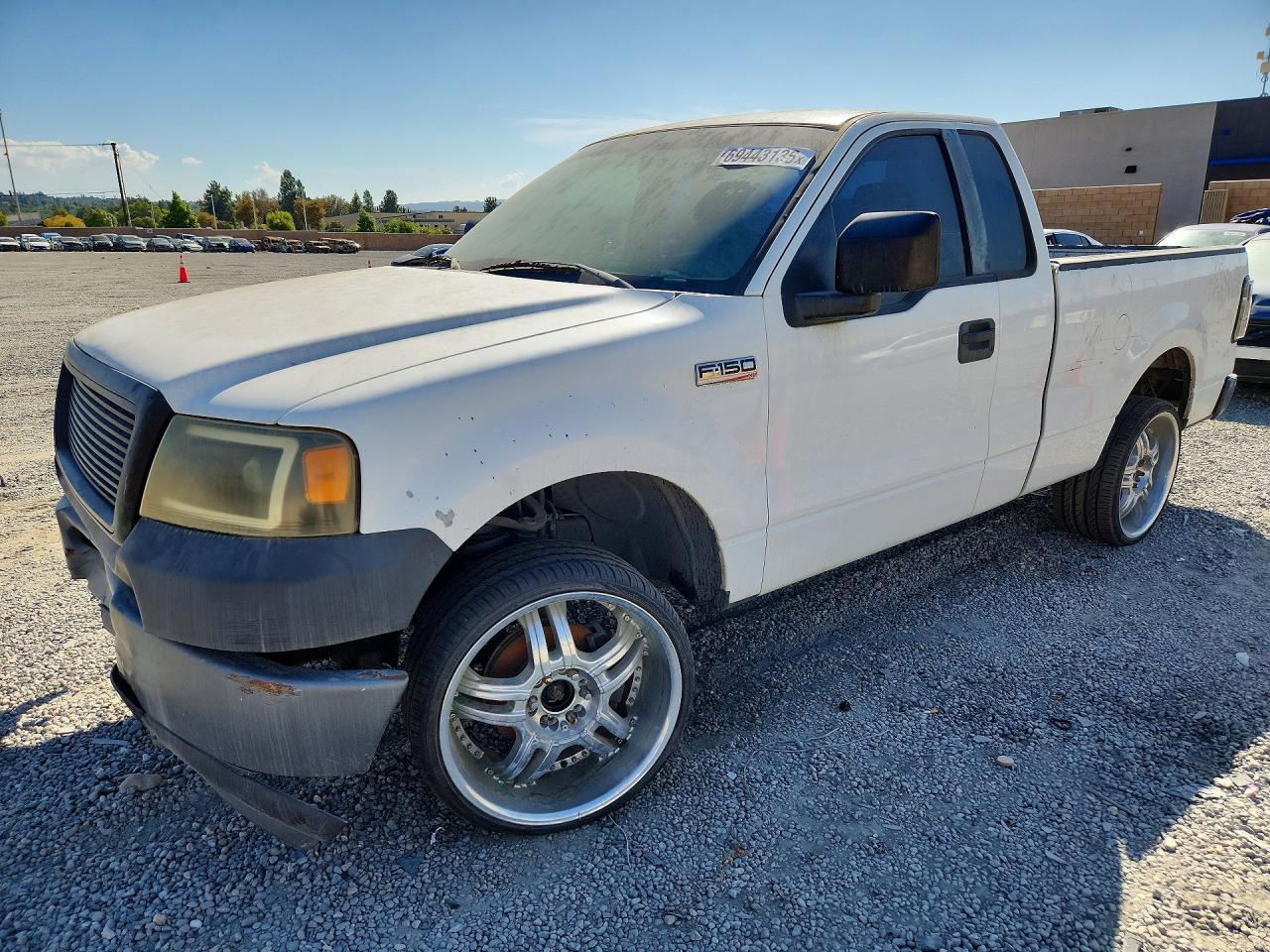
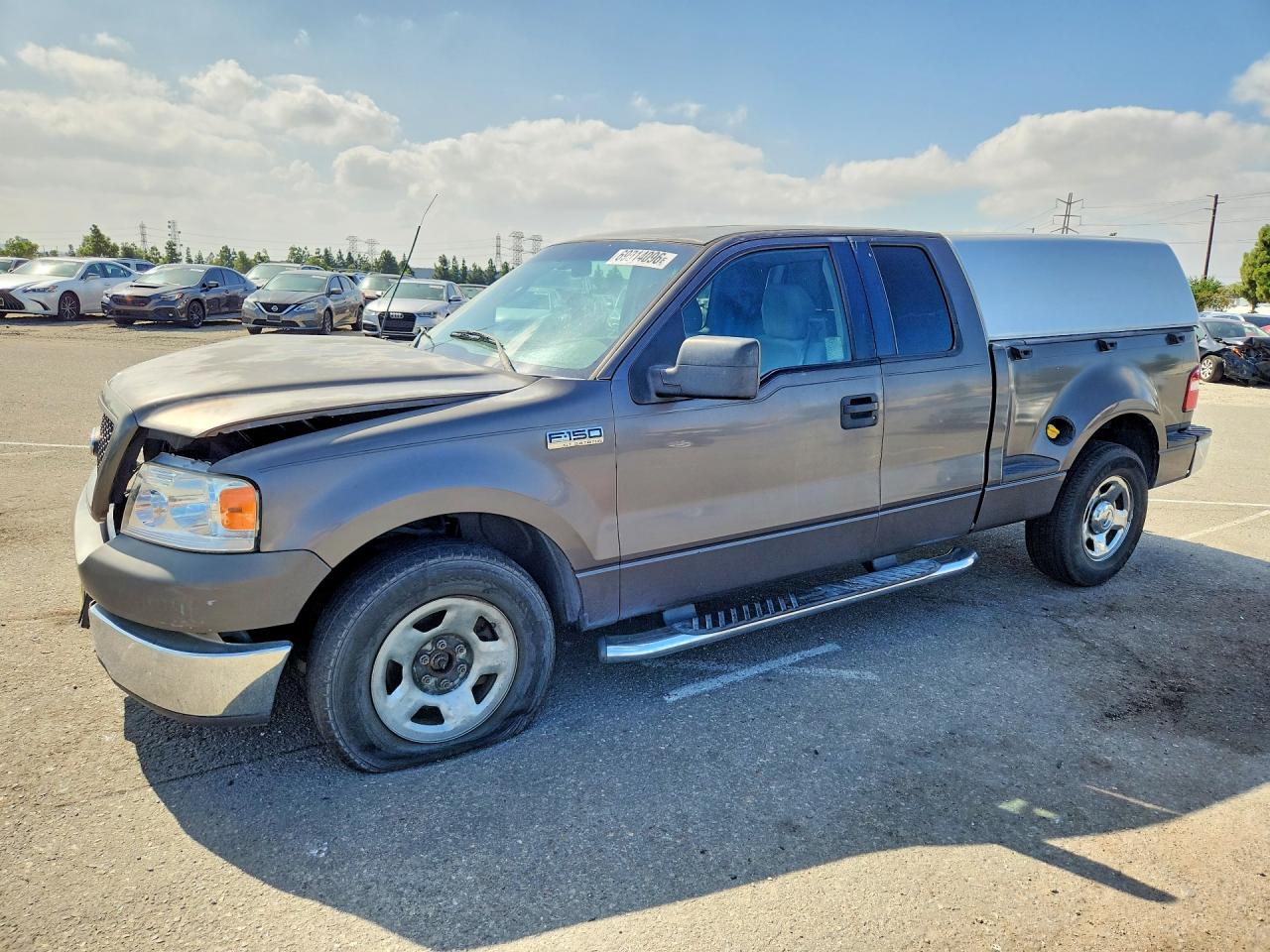
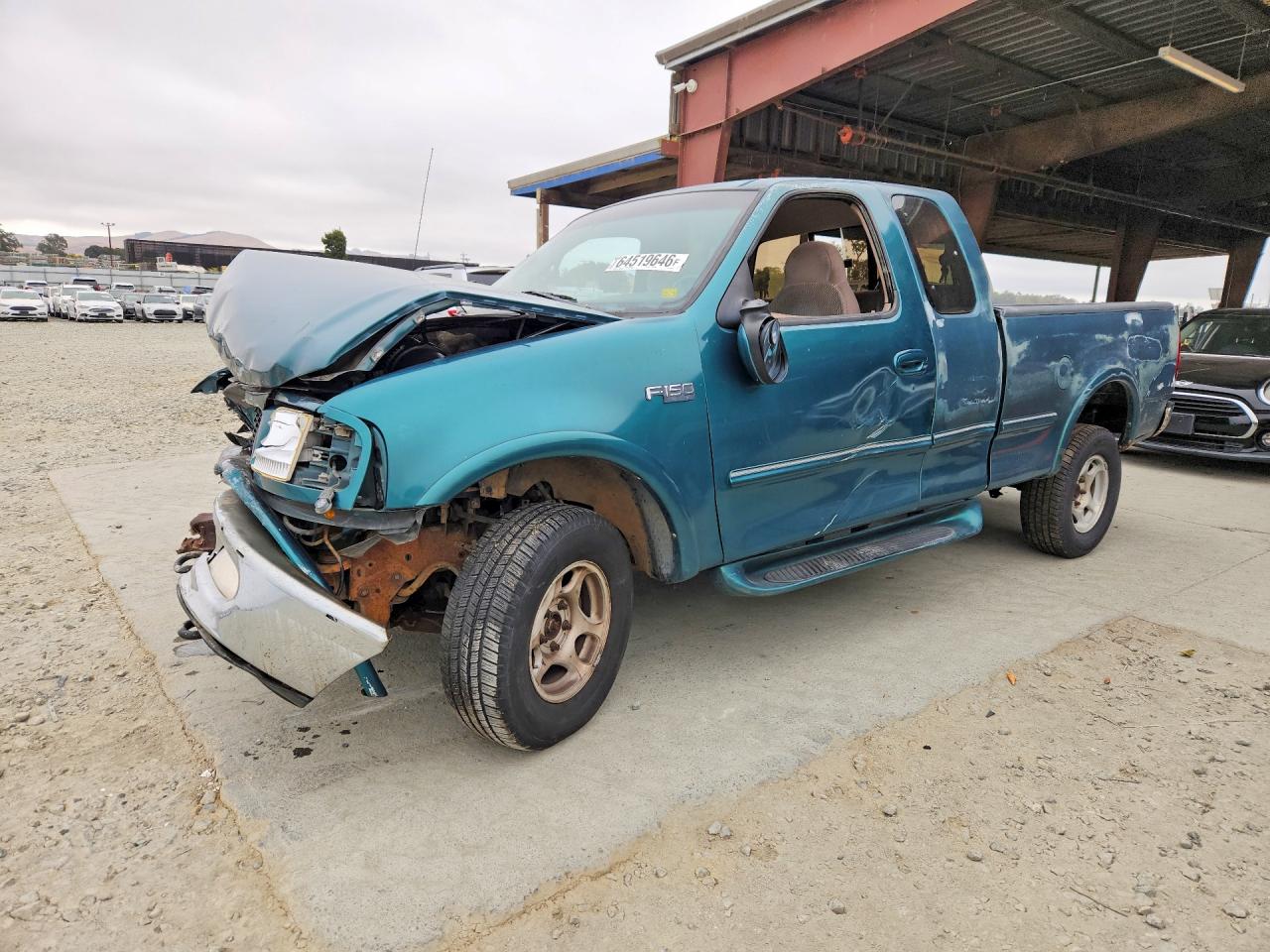
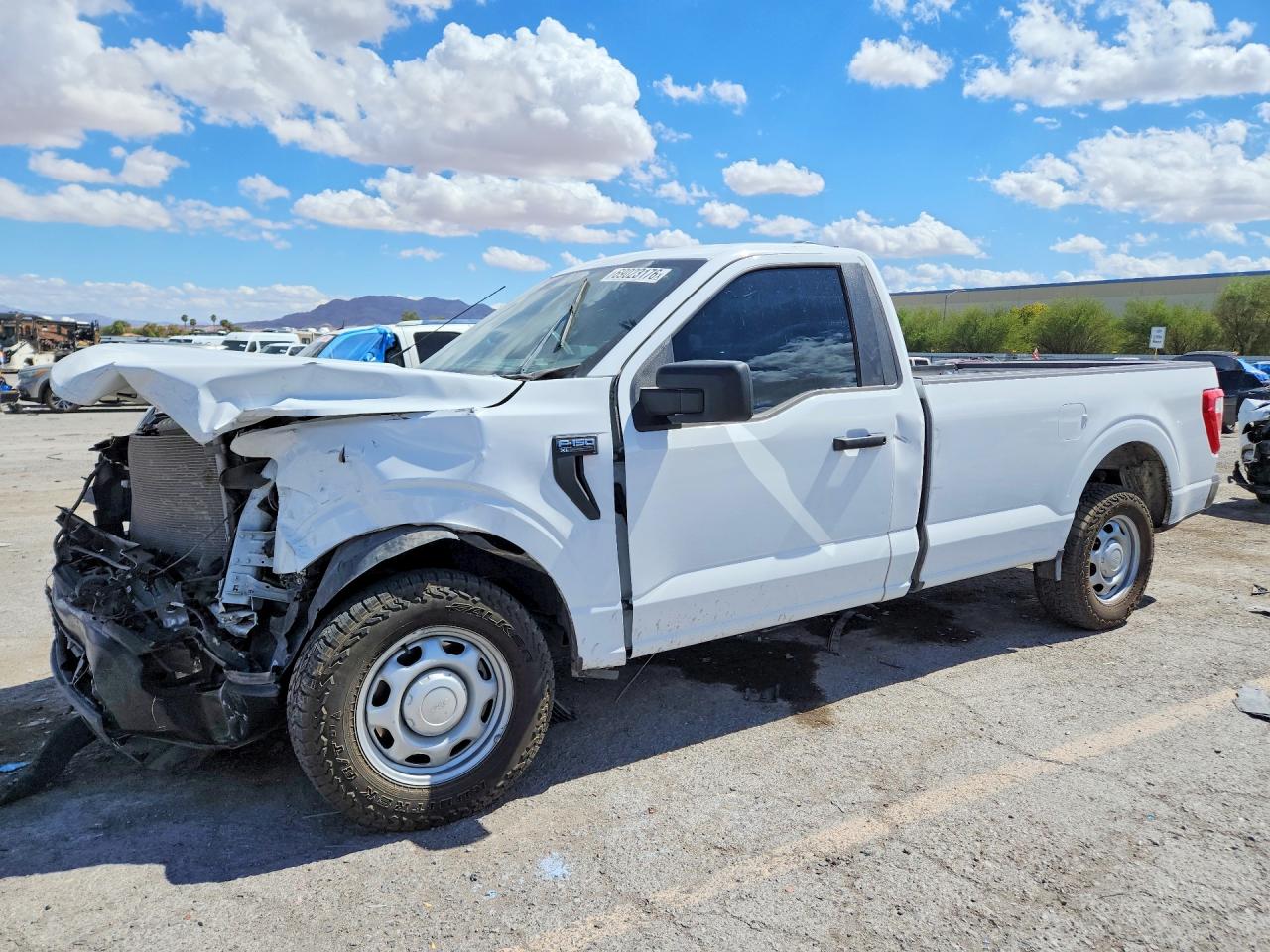
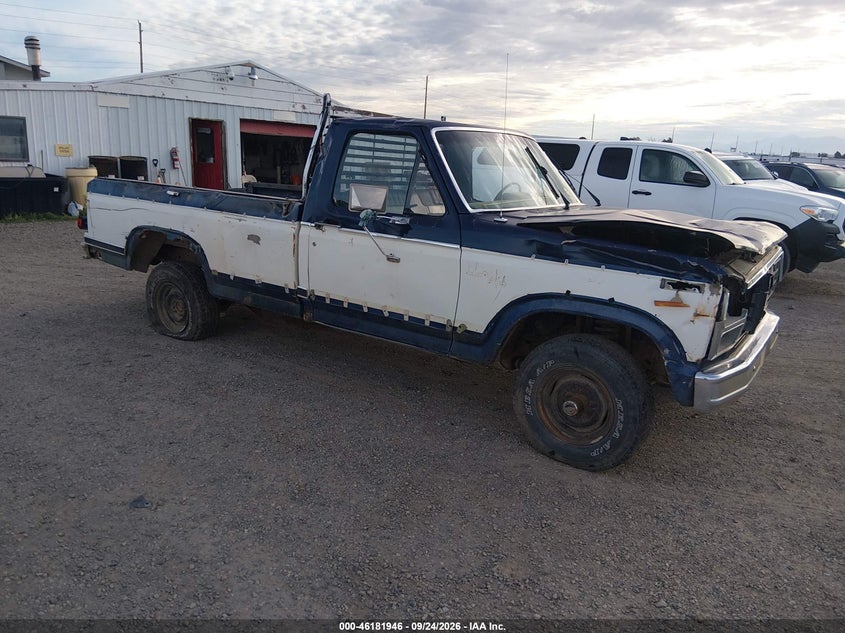
1981 FORD F150 VIN 1FTDF14E8BPA76846
Damage map
If damage records exist for this VIN, the report shows the affected zonesTheft, liens and title
Checks that matter for registration and resaleRecorded condition
What the source noted about the car as it stands- Keys available
- Yes
History timeline
Data decoded from the VIN is shown. Records on file, if any, are in the full report.Mileage
Odometer reading as recorded at the sourceEarlier photos may be in the report
Check before you buy
Four things worth checking on any used carFORD F150 specifications
- VIN
- 1FTDF14E8BPA76846
- Make
- FORD
- Model
- F150
- Year
- 1981
- Colour
- BLUE
- Fuel
- Gasoline
- Engine
- 4.9 L
- Cylinders
- 6
- Transmission
- Manual
- Drive
- 4x4
- Recorded odometer
- 58 680 mi
- Recorded damage
- Normal Wear & Tear
What buyers ask about the FORD F150
Was this 1981 FORD F150 damaged before?
The damage in the specifications is what the source noted at the time. Earlier accidents and repairs on file for VIN 1FTDF14E8BPA76846, if any, are in the full report.
Can I trust the odometer reading of 58 680 mi?
It is the figure as recorded, not verified. Compare it with the earlier readings in the full report: they can only go up, so a drop points to a wound-back odometer.
In which countries was this car registered?
Registrations abroad seldom reach local registers. If this car was registered in other countries, the full report names them.
Who sells the report, and what does it cost?
An independent partner, selected automatically for each VIN by our system from analytical data. The partner shows the price before you pay; we may earn a commission.
VIN 1FTDF14E8BPA76846: history
This entry is for a 1981 Ford F150, finished in blue. The car runs on petrol. Power reaches the wheels through a manual gearbox. Details for this car come from a single data source and may differ from its documents.
At the time of recording, the car had covered 58,680 miles. The mileage is modest for the car’s age, but long spells of standing bring their own wear, from seized brakes to dried-out seals. Turning back an odometer takes little skill and leaves no visible trace, which is why earlier figures matter more than the display. Older figures usually turn up on service invoices, inspection reports and past title paperwork.
The source data names no primary damage. That shows only that none was entered, so the body still deserves a close look. Water marks under the carpets, rust in unusual places or a panel in a slightly different shade would point to damage nobody ever entered.
A key was there when the car was checked. Condition notes are a snapshot: the car may have been worked on, stripped of parts or left standing since.
The record shows a clean title. Nothing on the title points to a total loss or a flood.
A car’s history answers three questions: who kept it, how it was looked after and what went wrong along the way. No single office holds the whole story of a car: registries, workshops, insurance companies and lenders each keep their own part. What a car has been through is seldom visible at first glance, and a respray can make even a badly damaged car look sound.
An engine that has had its oil changed on time is far less likely to cause trouble later, and workshop invoices are the proof. Many modern petrol engines are turbocharged and direct-injected; where they are, the turbocharger and injectors belong on a specialist’s checklist. On a manual car the clutch is a wear part, and a replacement in the service history is an ordinary entry rather than a warning sign. With four-wheel drive, mismatched tyres can strain the centre differential or coupling, so all four should be the same make and similarly worn.
The tenth character of the VIN stands for the model year, and the eleventh for the plant that built the car. For this car, the VIN is 1FTDF14E8BPA76846. Scratches, fresh paint or a replaced plate around the VIN markings are warning signs in their own right.
What a history report can list depends on what has been documented about the car: registrations, mileage readings, damage, branded titles and theft reports. A repair paid for in cash at a small workshop leaves no trace in any database, so no report can list it. A history report says nothing about the car’s present condition: the frame, corrosion, electrics and the quality of any repair are judged on a lift by a mechanic. The history behind VIN 1FTDF14E8BPA76846 is the natural starting point before any decision about this Ford F150.