2017 FORD F-150 XLT VIN 1FTEW1CP0HFA21216
Damage map
If damage records exist for this VIN, the report shows the affected zonesTheft, liens and title
Checks that matter for registration and resaleRecorded condition
What the source noted about the car as it stands- Runs and drives
- No
- Engine starts
- No
- Keys available
- Yes
- Start code
- Stationary
History timeline
Data decoded from the VIN is shown. Records on file, if any, are in the full report.Mileage
Odometer reading as recorded at the sourceEarlier photos may be in the report
Check before you buy
Four things worth checking on any used carFORD F-150 XLT specifications
- VIN
- 1FTEW1CP0HFA21216
- Make
- FORD
- Model
- F-150 XLT
- Year
- 2017
- Colour
- BLACK
- Fuel
- Gasoline
- Engine
- 2.7 L
- Cylinders
- 6
- Power
- 325 hp
- Transmission
- Automatic
- Recorded odometer
- 96 224 mi
- Recorded damage
- Rollover
What buyers ask about the FORD F-150 XLT
Was this 2017 FORD F-150 XLT damaged before?
The damage in the specifications is what the source noted at the time. Earlier accidents and repairs on file for VIN 1FTEW1CP0HFA21216, if any, are in the full report.
Can I trust the odometer reading of 96 224 mi?
It is the figure as recorded, not verified. Compare it with the earlier readings in the full report: they can only go up, so a drop points to a wound-back odometer.
In which countries was this car registered?
Registrations abroad seldom reach local registers. If this car was registered in other countries, the full report names them.
Who sells the report, and what does it cost?
An independent partner, selected automatically for each VIN by our system from analytical data. The partner shows the price before you pay; we may earn a commission.
VIN 1FTEW1CP0HFA21216: history
This record covers a 2017 Ford F-150 XLT. Power reaches the wheels through an automatic gearbox. The car runs on petrol.
The car was recorded with 96,224 miles on the clock. Because the clock counts miles, any figure noted in kilometres has to be converted before the two can be compared. A single figure proves little: what makes a mileage believable is a series of readings that rise steadily over the years. Figures carry most weight when they come from independent sources: workshops, inspection stations and past title paperwork.
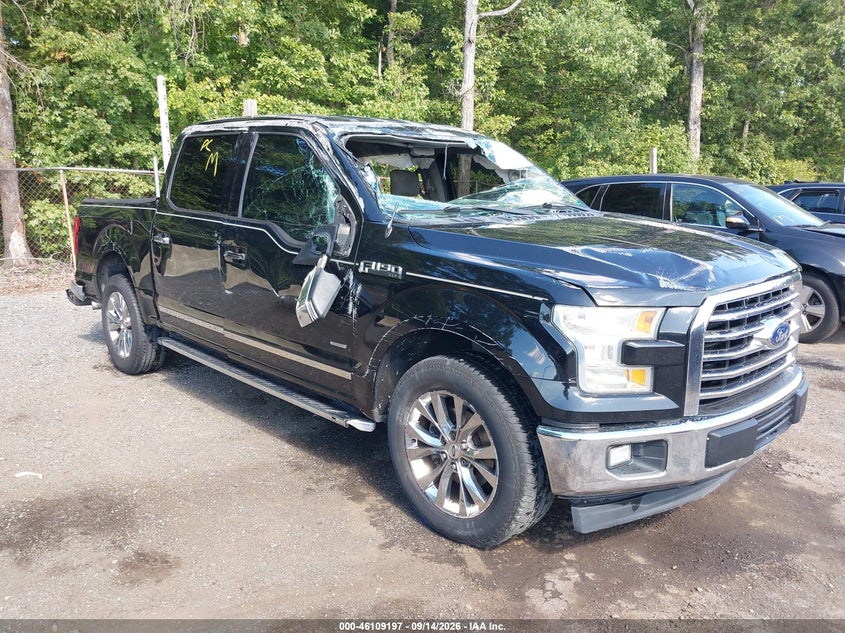
In the source data, the main issue is rollover damage. The damage type is a short label: the extent of the damage and the quality of any repair still have to be judged on the car. With rollover damage on file, the inspection should start with the roof, the pillars and every airbag.
A car that does not run has to be moved on a trailer, and its real condition is known only after a thorough assessment. The engine did not start. A key is on file for the car. Condition notes are a snapshot: the car may have been worked on, stripped of parts or left standing since.
According to the source data, the car has a salvage title. A title of this kind usually means the car was written off as a total loss after damage. Once issued, a branded title stays with the VIN for good, and it affects registration and insurance for every later owner.
A car’s history answers three questions: who kept it, how it was looked after and what went wrong along the way. The paperwork is kept by different bodies – registries, workshops, insurance companies and lenders – so the history of one car is spread across many places. What a car has been through is seldom visible at first glance, and a respray can make even a badly damaged car look sound.
When a car does not run, a compression test and the condition of the oil tell a mechanic whether the engine can be brought back to life. Many modern petrol engines are turbocharged and direct-injected; where they are, the turbocharger and injectors belong on a specialist’s checklist. While the car does not run, stored fault codes and a look at the fluid are the only early evidence of how the automatic gearbox has fared.
The ninth character of the VIN is a check digit calculated from the other sixteen, so a mistyped or invented number does not add up. The record gives the VIN as 1FTEW1CP0HFA21216. A VIN that differs between the documents and the car, or shows signs of tampering, is reason enough to walk away.
Where entries exist, a VIN check can show changes of owner, past mileage readings, reported damage and whether the car is listed as stolen. A repair paid for in cash at a small workshop leaves no trace in any database, so no report can list it. A professional inspection makes sense whatever the paperwork shows, because no report measures corrosion, worn bushes or a poor repair. Look up the history of VIN 1FTEW1CP0HFA21216 first, and let what it shows guide the inspection.
Similar FORD F-150 XLT cars
All FORD cars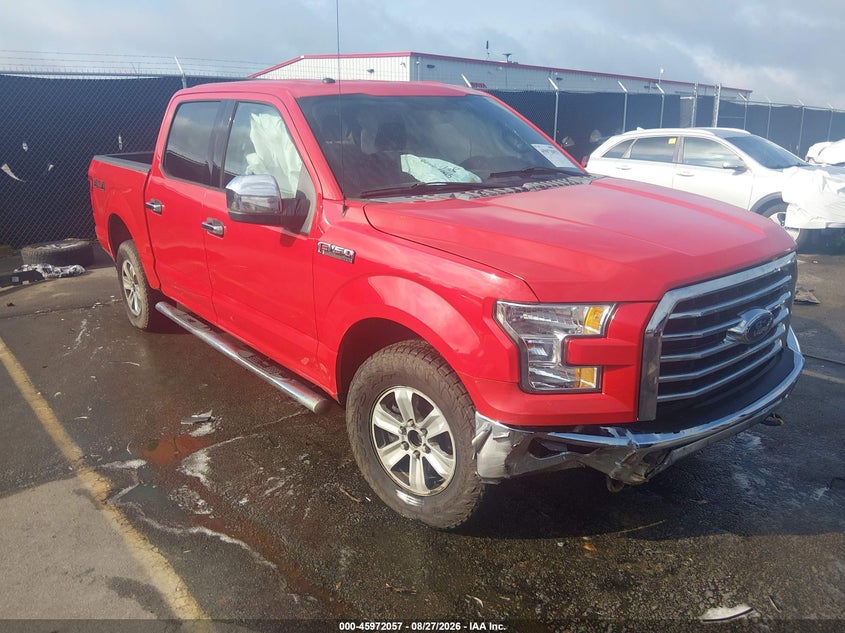 2016 FORD F-150 XLT
1FTEW1•••••••5385
5.0 gasoline · Automatic
Check history
2016 FORD F-150 XLT
1FTEW1•••••••5385
5.0 gasoline · Automatic
Check history
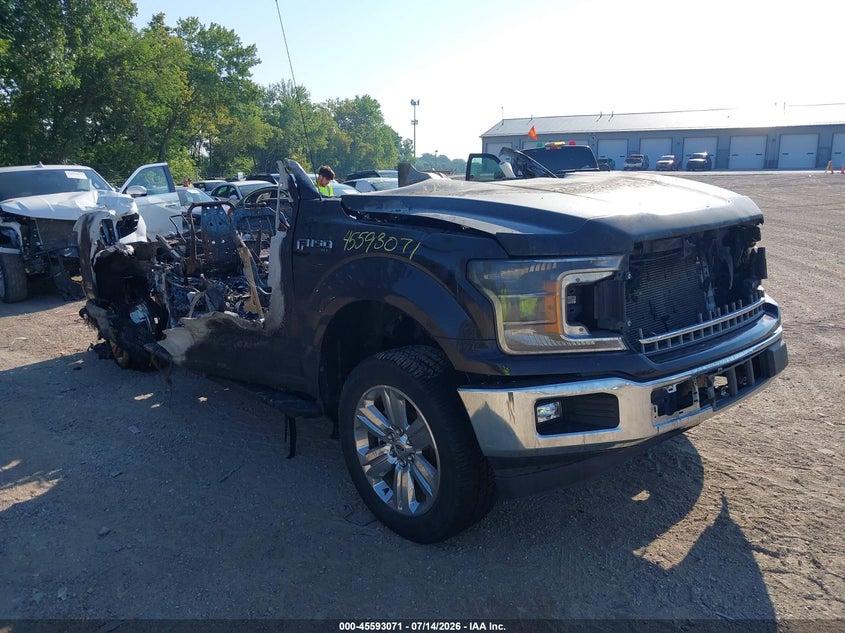 2020 FORD F-150 XLT
1FTEW1•••••••9106
5.0 gasoline · Automatic
Check history
2020 FORD F-150 XLT
1FTEW1•••••••9106
5.0 gasoline · Automatic
Check history
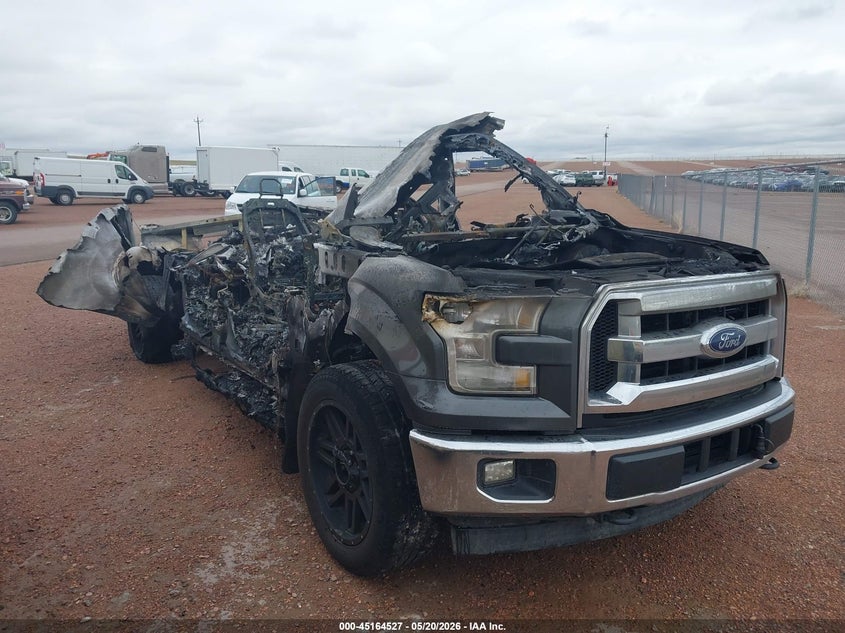 2017 FORD F-150 XLT
1FTEW1•••••••6427
3.5 gasoline · Automatic
Check history
2017 FORD F-150 XLT
1FTEW1•••••••6427
3.5 gasoline · Automatic
Check history
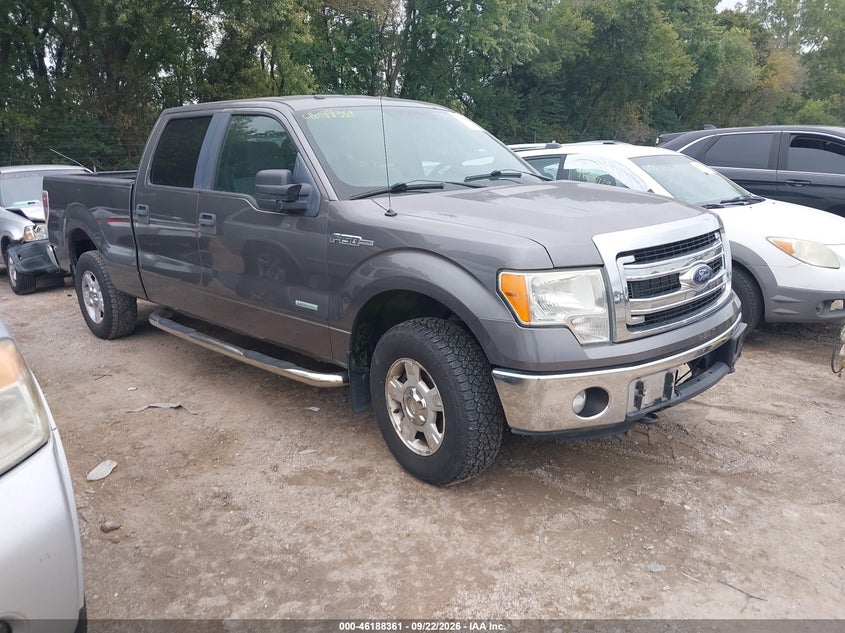 2013 FORD F-150 XLT
1FTFW1•••••••9622
3.5 gasoline · Automatic
Check history
2013 FORD F-150 XLT
1FTFW1•••••••9622
3.5 gasoline · Automatic
Check history