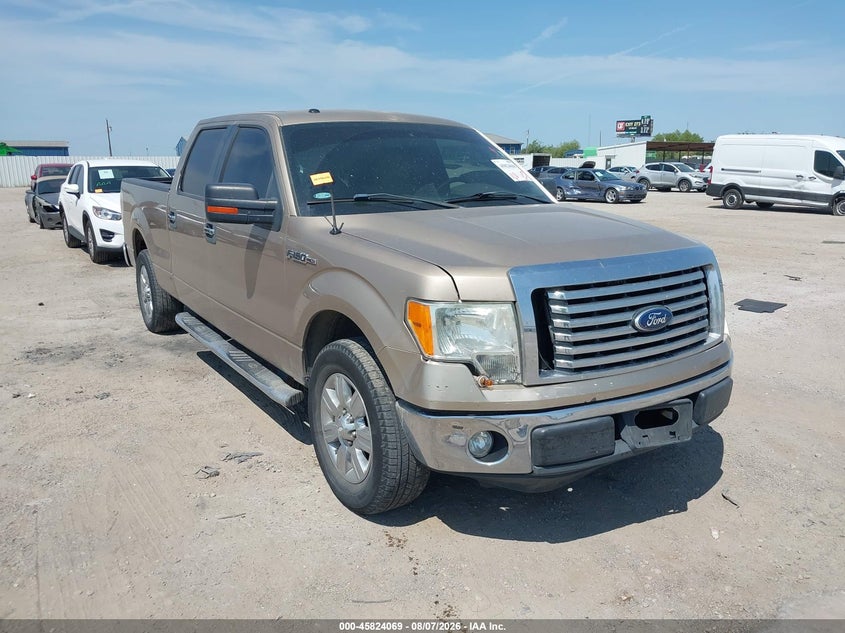
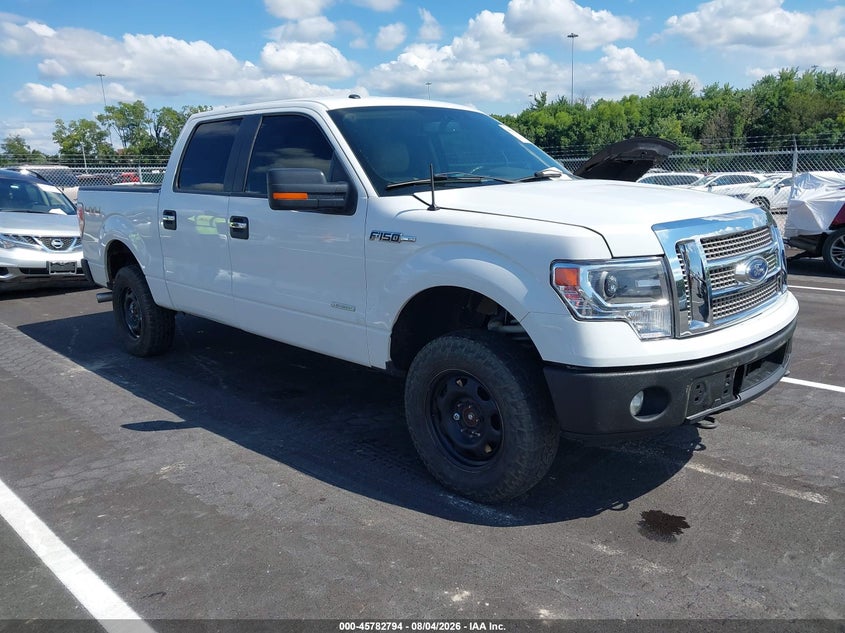
2012 FORD F-150 XLT VIN 1FTFW1CF7CKD22058
Damage map
If damage records exist for this VIN, the report shows the affected zonesTheft, liens and title
Checks that matter for registration and resaleRecorded condition
What the source noted about the car as it stands- Runs and drives
- Yes
- Engine starts
- Yes
- Keys available
- Yes
- Start code
- Run & Drive
History timeline
Data decoded from the VIN is shown. Records on file, if any, are in the full report.Mileage
Odometer reading as recorded at the sourceEarlier photos may be in the report
Check before you buy
Four things worth checking on any used carFORD F-150 XLT specifications
- VIN
- 1FTFW1CF7CKD22058
- Make
- FORD
- Model
- F-150 XLT
- Year
- 2012
- Colour
- BROWN
- Fuel
- Gasoline
- Engine
- 5.0 L
- Cylinders
- 8
- Power
- 360 hp
- Transmission
- Automatic
- Recorded odometer
- 266 428 mi
- Recorded damage
- Front & Rear
What buyers ask about the FORD F-150 XLT
Was this 2012 FORD F-150 XLT damaged before?
The damage in the specifications is what the source noted at the time. Earlier accidents and repairs on file for VIN 1FTFW1CF7CKD22058, if any, are in the full report.
Can I trust the odometer reading of 266 428 mi?
It is the figure as recorded, not verified. Compare it with the earlier readings in the full report: they can only go up, so a drop points to a wound-back odometer.
In which countries was this car registered?
Registrations abroad seldom reach local registers. If this car was registered in other countries, the full report names them.
Who sells the report, and what does it cost?
An independent partner, selected automatically for each VIN by our system from analytical data. The partner shows the price before you pay; we may earn a commission.
VIN 1FTFW1CF7CKD22058: history
The Ford F-150 XLT described here left the factory in 2012. The engine is a 5.0-litre petrol unit with eight cylinders. The gearbox is automatic. The specification is taken from the source data.
The record gives the mileage as 266,428 miles. A clock converted from miles to kilometres should be documented, since the swap can hide the true mileage. Averaged over the car’s age, the mileage works out well above the usual annual distance, and wear on the suspension, brakes and interior should be judged with that in mind. Services and inspections note the distance covered, so a car with an ordinary past builds up a trail of figures that climb year after year. Service invoices and inspection reports each carry a mileage figure, and lined up in order they show whether the clock tells the truth.
In the source data, the main issue is damage to both front and rear. Two cars with the same damage label can be very different: one needs a few new parts, the other major work. With damage to both front and rear on file, the inspection should start with the crash structures at both ends and the alignment of the body between them.
A ‘runs and drives’ note means the car moved under its own power when it was checked. A key was present. Running condition describes a single moment, and standing or work done since can change it.
According to the source data, the car has a clean title. With a clean title the car can be registered and insured in the usual way.
A car’s history answers three questions: who kept it, how it was looked after and what went wrong along the way. The paperwork is kept by different bodies – registries, workshops, insurance companies and lenders – so the history of one car is spread across many places. From the outside, a car with a repaired accident and a car without one can look identical.
Regular oil changes and timely work on the timing belt or chain decide how well an engine copes with age. On a petrol engine, spark plugs, ignition coils and the cooling system are the routine items a service history should cover. Automatic transmissions, CVTs included, are expensive to repair, so the test drive should include pulling away from a standstill and a stretch at motorway speed.
Every modern car carries a 17-character VIN, and no two cars share one. The VIN on file for this car is 1FTFW1CF7CKD22058. Scratches, fresh paint or a replaced plate around the VIN markings are warning signs in their own right.
Where entries exist, a VIN check can show changes of owner, past mileage readings, reported damage and whether the car is listed as stolen. The absence of an entry is not proof that nothing happened; it may only mean that nobody wrote it down. A VIN check and a physical inspection answer different questions: the first says what happened to the car, the second what condition it is in now. Before going any further with this Ford F-150 XLT, it makes sense to look up VIN 1FTFW1CF7CKD22058.
Similar FORD F-150 XLT cars
All FORD cars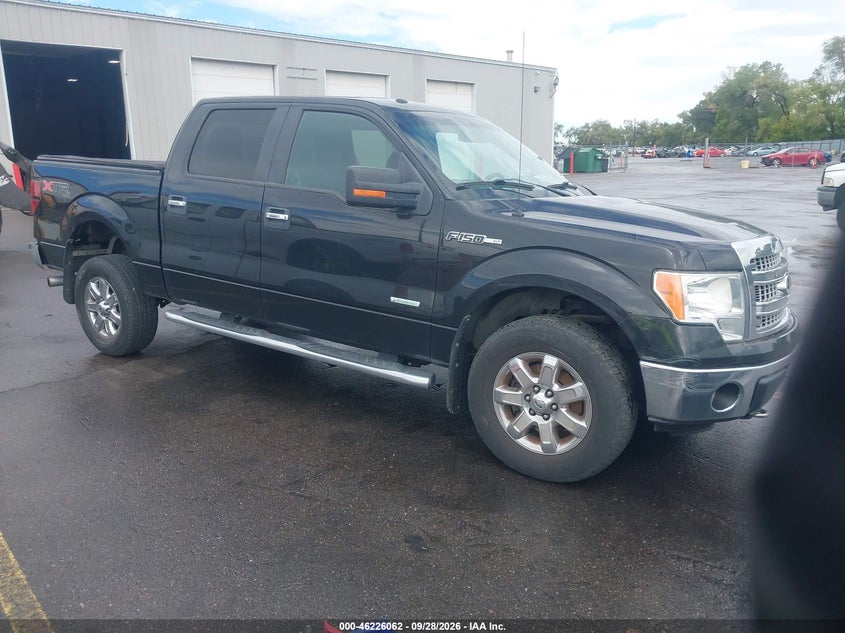 2014 FORD F-150 XLT
1FTFW1•••••••5399
3.5 gasoline · Automatic
Check history
2014 FORD F-150 XLT
1FTFW1•••••••5399
3.5 gasoline · Automatic
Check history
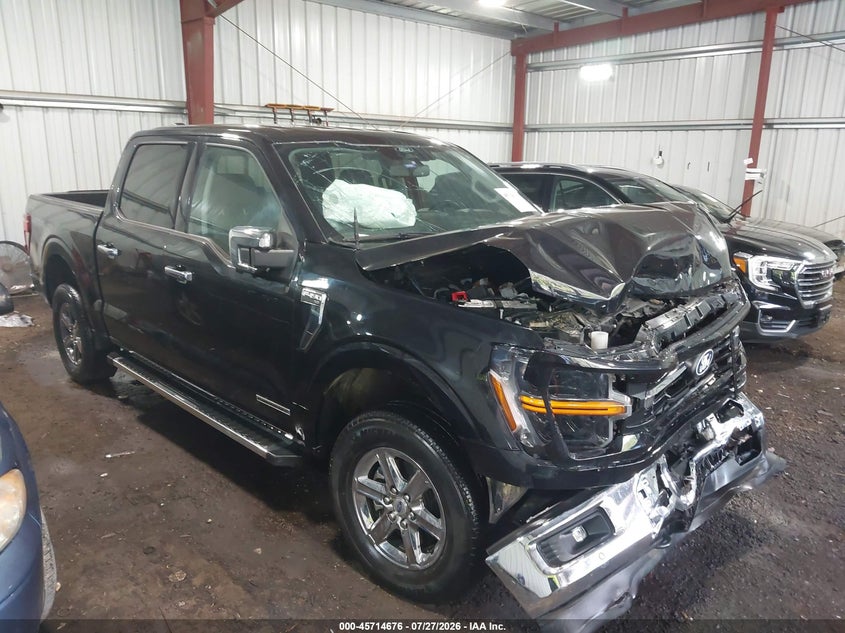 2024 FORD F-150 XLT
1FTFW3•••••••1422
3.5 hybrid · Automatic
Check history
2024 FORD F-150 XLT
1FTFW3•••••••1422
3.5 hybrid · Automatic
Check history
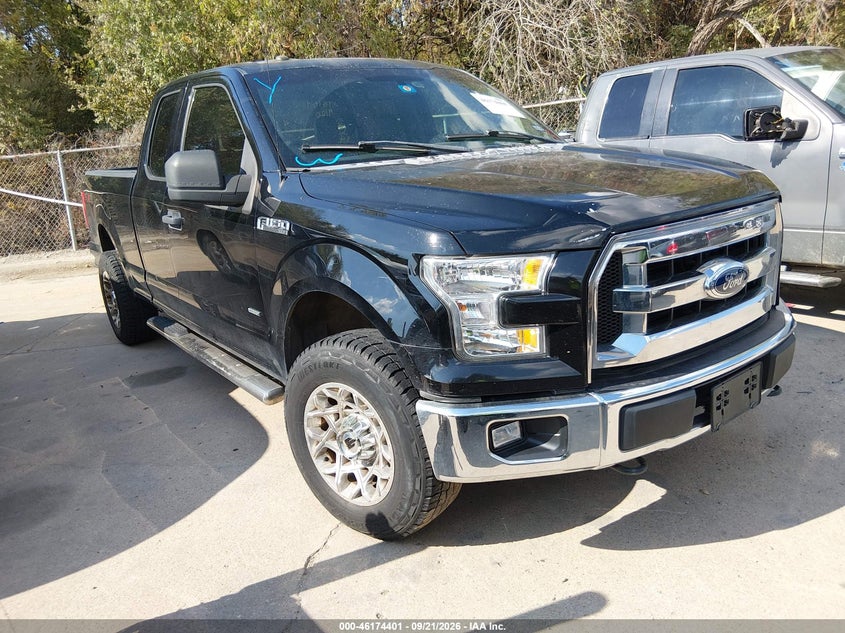 2016 FORD F-150 XLT
1FTEX1•••••••8167
2.7 gasoline · Automatic
Check history
2016 FORD F-150 XLT
1FTEX1•••••••8167
2.7 gasoline · Automatic
Check history
 2014 FORD F-150 XLT
1FTFW1•••••••1374
3.5 gasoline · Automatic
Check history
2014 FORD F-150 XLT
1FTFW1•••••••1374
3.5 gasoline · Automatic
Check history