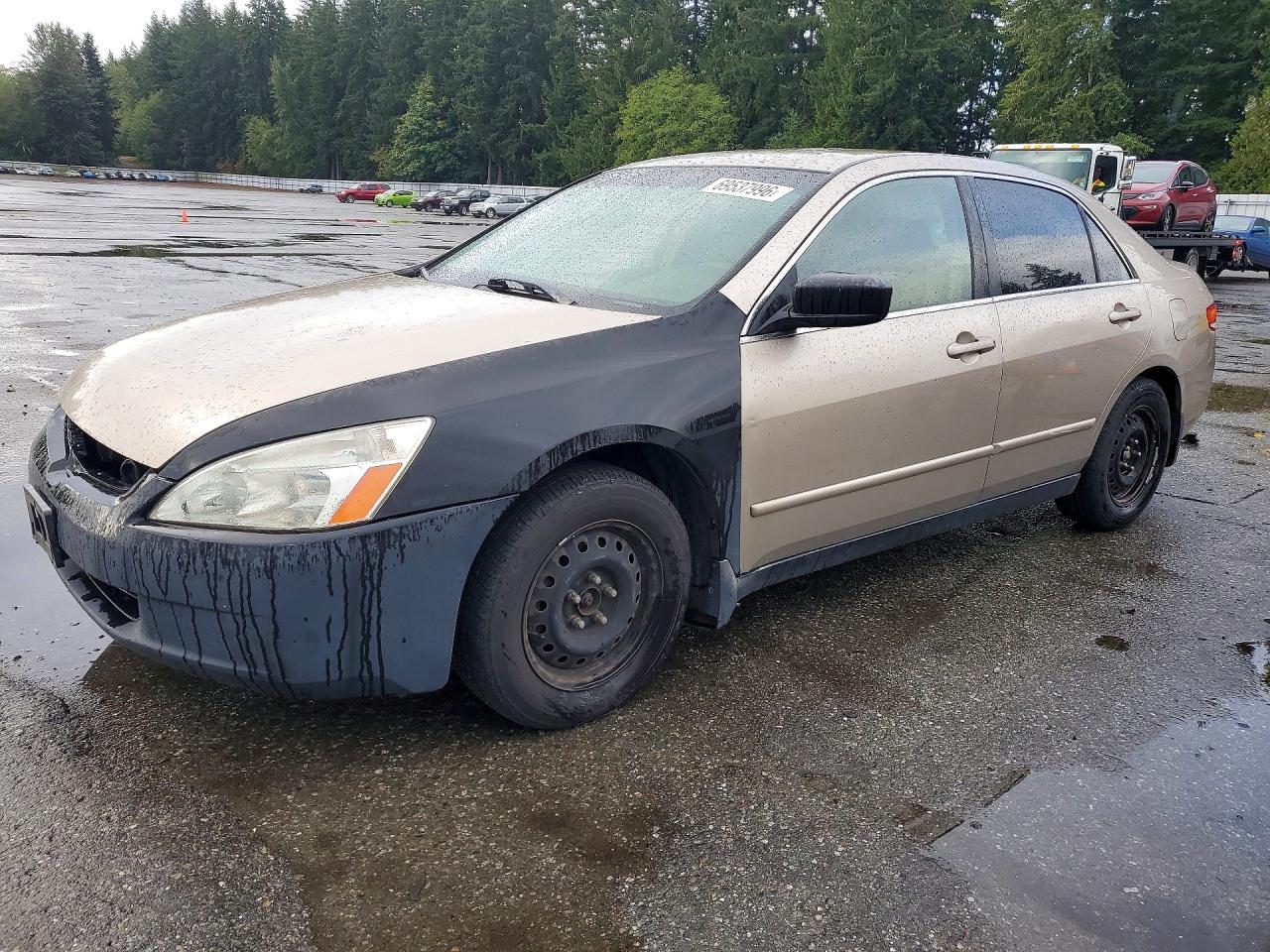
2013 HONDA ACCORD LX VIN 1HGCR2F34DA090111

Damage map
If damage records exist for this VIN, the report shows the affected zonesTheft, liens and title
Checks that matter for registration and resaleRecorded condition
What the source noted about the car as it stands- Runs and drives
- No
- Engine starts
- No
- Keys available
- Yes
- Start code
- Stationary
History timeline
Data decoded from the VIN is shown. Records on file, if any, are in the full report.Mileage
Odometer reading as recorded at the sourceEarlier photos may be in the report
Check before you buy
Four things worth checking on any used carHONDA ACCORD LX specifications
- VIN
- 1HGCR2F34DA090111
- Make
- HONDA
- Model
- ACCORD LX
- Year
- 2013
- Colour
- BLUE
- Fuel
- Gasoline
- Engine
- 2.4 L
- Cylinders
- 4
- Power
- 185 hp
- Transmission
- CVT
- Drive
- FWD
- Recorded odometer
- 77 754 mi
- Recorded damage
- Flood
What buyers ask about the HONDA ACCORD LX
Was this 2013 HONDA ACCORD LX damaged before?
The damage in the specifications is what the source noted at the time. Earlier accidents and repairs on file for VIN 1HGCR2F34DA090111, if any, are in the full report.
Can I trust the odometer reading of 77 754 mi?
It is the figure as recorded, not verified. Compare it with the earlier readings in the full report: they can only go up, so a drop points to a wound-back odometer.
In which countries was this car registered?
Registrations abroad seldom reach local registers. If this car was registered in other countries, the full report names them.
Who sells the report, and what does it cost?
An independent partner, selected automatically for each VIN by our system from analytical data. The partner shows the price before you pay; we may earn a commission.
VIN 1HGCR2F34DA090111: history
This entry is for a 2013 Honda Accord LX. There is a CVT gearbox, with front-wheel drive. The fuel is petrol. Details for this car come from a single data source and may differ from its documents.
At the time of recording, the car had covered 77,754 miles. The instruments count in miles; the same distance in kilometres is about 1.6 times the figure. The number on the clock proves little by itself; earlier figures logged at services and inspections are what make it believable. Older figures usually turn up on service invoices, inspection reports and past title paperwork.
Primary damage in the record: flood. Whether the damage has been repaired since, and how well, is not something a damage entry can show. A lift and a diagnostic check show what photos cannot: bent brackets behind a panel, chafed wiring or deployed airbags.
As a non-runner, the car needs its engine, gearbox and electrics assessed before anything else. The engine would not start, which can mean anything from a flat battery to serious mechanical damage. A key is on file for the car. A condition note describes the car at one moment; months of standing or later work on the car can change the picture in either direction.
The record shows a salvage title. A title like this is issued when repair was judged uneconomical or unsafe.
Behind every used car lies a string of events: who owned it and for how long, what the inspections found and which repairs and claims were made. The paperwork is kept by different bodies – registries, workshops, insurance companies and lenders – so the history of one car is spread across many places. A car’s past rarely shows on the paintwork: a well-repaired accident or water damage that was dried out is easy to miss.
For the engine, the service history matters most: oil changes, filters and the timing belt or chain are the entries to look for. On a petrol engine, spark plugs, ignition coils and the cooling system are the routine items a service history should cover. While the car does not run, stored fault codes and a look at the fluid are the only early evidence of how the CVT gearbox has fared.
A vehicle identification number has 17 characters: the first three name the manufacturer, the next six describe the model and its specification, and the last eight identify the individual car. The VIN on file for this car is 1HGCR2F34DA090111. Scratches, fresh paint or a replaced plate around the VIN markings are warning signs in their own right.
Where entries exist, a VIN check can show changes of owner, past mileage readings, reported damage and whether the car is listed as stolen. A repair paid for in cash at a small workshop leaves no trace in any database, so no report can list it. The past is on file; the car’s condition today is a job for a mechanic, who can check the structure, underbody, electrics and any repairs on a lift. Before going any further with this Honda Accord LX, it makes sense to look up VIN 1HGCR2F34DA090111.