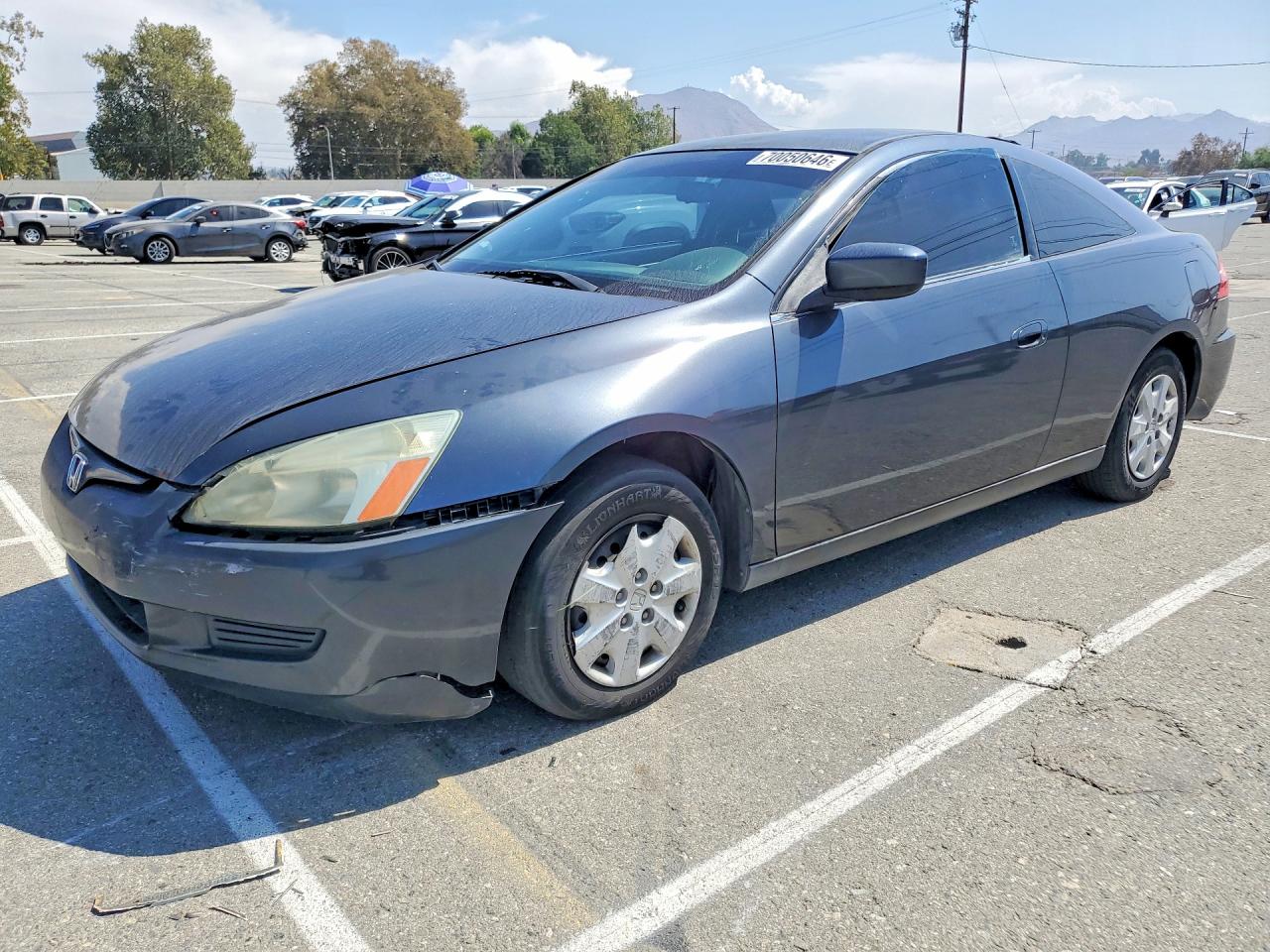
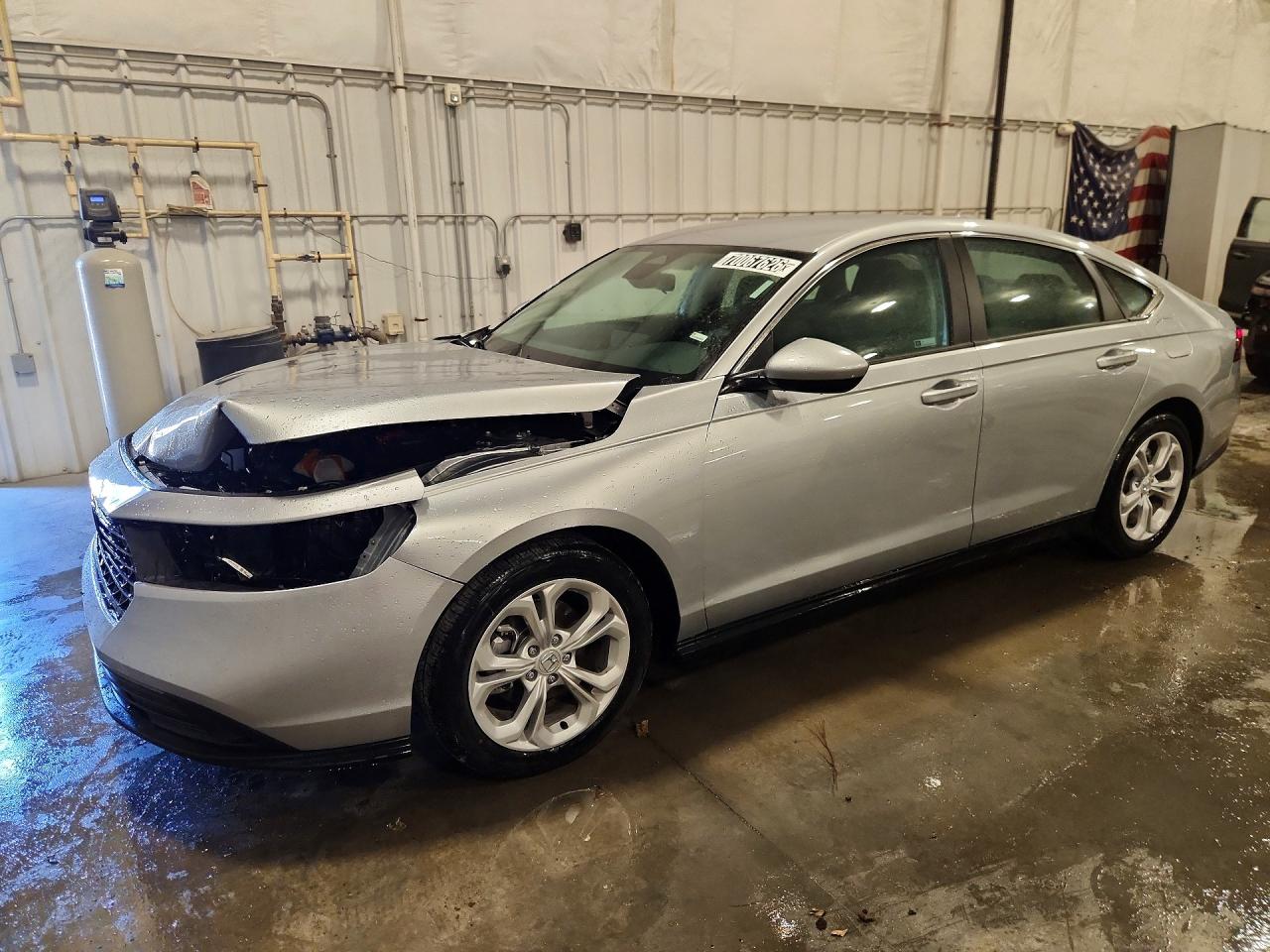
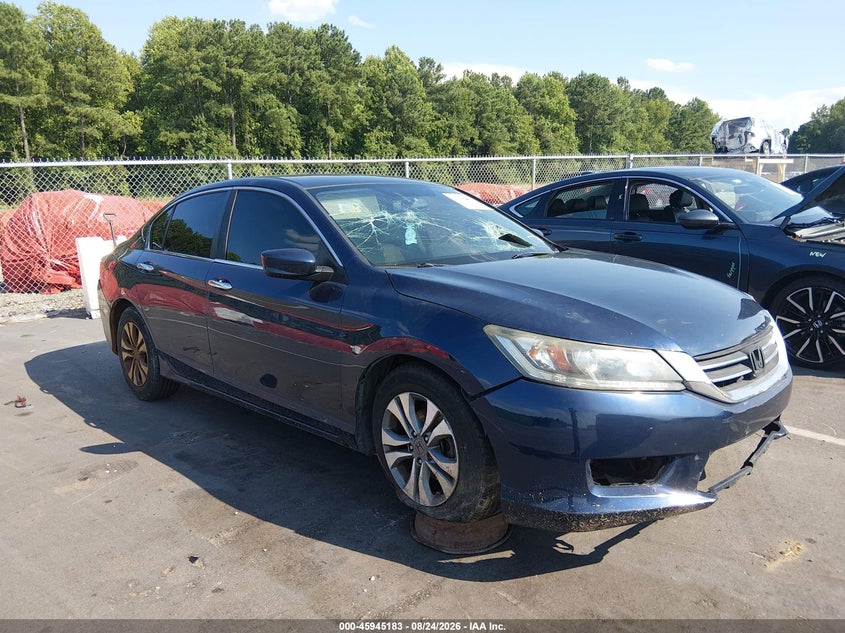
2015 HONDA ACCORD LX VIN 1HGCR2F38FA017052

Damage map
If damage records exist for this VIN, the report shows the affected zonesTheft, liens and title
Checks that matter for registration and resaleRecorded condition
What the source noted about the car as it stands- Runs and drives
- No
- Engine starts
- Yes
- Keys available
- Yes
- Start code
- Starts
History timeline
Data decoded from the VIN is shown. Records on file, if any, are in the full report.Mileage
Odometer reading as recorded at the sourceEarlier photos may be in the report
Check before you buy
Four things worth checking on any used carHONDA ACCORD LX specifications
- VIN
- 1HGCR2F38FA017052
- Make
- HONDA
- Model
- ACCORD LX
- Year
- 2015
- Colour
- YELLOW
- Fuel
- Gasoline
- Engine
- 2.4 L
- Cylinders
- 4
- Power
- 185 hp
- Transmission
- CVT
- Drive
- FWD
- Recorded odometer
- 174 336 mi
- Recorded damage
- Front End
What buyers ask about the HONDA ACCORD LX
Was this 2015 HONDA ACCORD LX damaged before?
The damage in the specifications is what the source noted at the time. Earlier accidents and repairs on file for VIN 1HGCR2F38FA017052, if any, are in the full report.
Can I trust the odometer reading of 174 336 mi?
It is the figure as recorded, not verified. Compare it with the earlier readings in the full report: they can only go up, so a drop points to a wound-back odometer.
In which countries was this car registered?
Registrations abroad seldom reach local registers. If this car was registered in other countries, the full report names them.
Who sells the report, and what does it cost?
An independent partner, selected automatically for each VIN by our system from analytical data. The partner shows the price before you pay; we may earn a commission.
VIN 1HGCR2F38FA017052: history
The Honda Accord LX described here left the factory in 2015. The gearbox is continuously variable (CVT), with front-wheel drive. The car runs on petrol.
At the time of recording, the car had covered 174,336 miles. The instruments count in miles; the same distance in kilometres is about 1.6 times the figure. A car that has covered this much distance for its age has worked hard, and a mechanic should judge the wear accordingly. The number on the clock proves little by itself; earlier figures logged at services and inspections are what make it believable. A service book or a folder of workshop invoices is the simplest place to find past readings.
The main issue noted for this car is front-end damage. A damage entry is a starting point for the inspection, telling the mechanic where to look first. Whatever the cause, a diagnostic scan of the car’s electronics shows fault codes that a visual check misses.
The record describes this Honda Accord LX as a non-runner. The engine started, but that says nothing yet about the gearbox or the drive to the wheels. A key was there when the car was checked. Months of standing can leave a car with seized brakes and perished tyres.
The record shows a salvage title. A title like this is issued when repair was judged uneconomical or unsafe. Once issued, a branded title stays with the VIN for good, and it affects registration and insurance for every later owner.
A car’s history is everything logged against it since it left the factory: registrations and owners, inspections, repairs and insurance claims. The paperwork is kept by different bodies – registries, workshops, insurance companies and lenders – so the history of one car is spread across many places. What a car has been through is seldom visible at first glance, and a respray can make even a badly damaged car look sound.
Many modern petrol engines are turbocharged and direct-injected; where they are, the turbocharger and injectors belong on a specialist’s checklist. On a car that does not run, the CVT gearbox cannot be judged on the road; the colour and smell of its fluid and a diagnostic scan give the first clues.
Stamped into the body and printed on a plate, the VIN is the one identifier that stays with a car through every owner, registration and repair. This car’s identification number is 1HGCR2F38FA017052. The number in the car’s documents should match the one stamped into the body and the one on the plate at the base of the windscreen.
Depending on what is on file, a VIN report may include past registrations, mileage readings, damage entries, branded titles and theft checks. A repair paid for in cash at a small workshop leaves no trace in any database, so no report can list it. A VIN check and a physical inspection answer different questions: the first says what happened to the car, the second what condition it is in now. The history behind VIN 1HGCR2F38FA017052 is the natural starting point before any decision about this Honda Accord LX.