2017 DODGE CHALLENGER SXT VIN 2C3CDZAG4HH611792
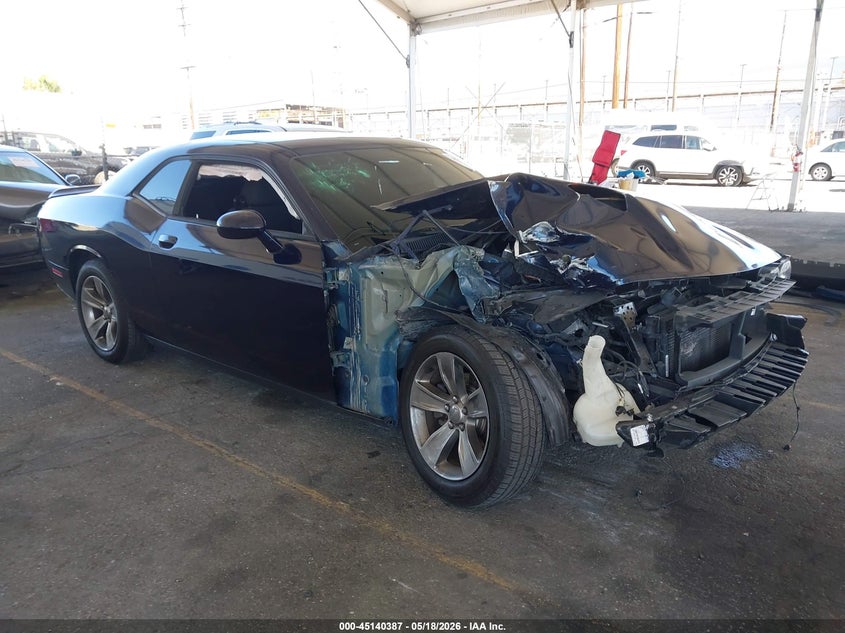
Damage map
If damage records exist for this VIN, the report shows the affected zonesTheft, liens and title
Checks that matter for registration and resaleRecorded condition
What the source noted about the car as it stands- Runs and drives
- No
- Engine starts
- No
- Keys available
- Yes
- Start code
- Stationary
History timeline
Data decoded from the VIN is shown. Records on file, if any, are in the full report.Mileage
Odometer reading as recorded at the sourceEarlier photos may be in the report
Check before you buy
Four things worth checking on any used carDODGE CHALLENGER SXT specifications
- VIN
- 2C3CDZAG4HH611792
- Make
- DODGE
- Model
- CHALLENGER SXT
- Year
- 2017
- Colour
- BLUE
- Fuel
- Gasoline
- Engine
- 3.6 L
- Cylinders
- 6
- Power
- 305 hp
- Transmission
- Automatic
- Drive
- RWD
- Recorded odometer
- 60 735 mi
- Recorded damage
- Front End
What buyers ask about the DODGE CHALLENGER SXT
Was this 2017 DODGE CHALLENGER SXT damaged before?
The damage in the specifications is what the source noted at the time. Earlier accidents and repairs on file for VIN 2C3CDZAG4HH611792, if any, are in the full report.
Can I trust the odometer reading of 60 735 mi?
It is the figure as recorded, not verified. Compare it with the earlier readings in the full report: they can only go up, so a drop points to a wound-back odometer.
In which countries was this car registered?
Registrations abroad seldom reach local registers. If this car was registered in other countries, the full report names them.
Who sells the report, and what does it cost?
An independent partner, selected automatically for each VIN by our system from analytical data. The partner shows the price before you pay; we may earn a commission.
VIN 2C3CDZAG4HH611792: history
This Dodge Challenger SXT is a 2017 model, finished in blue. Power comes from a 3.6-litre petrol engine with six cylinders. The drivetrain combines an automatic gearbox with rear-wheel drive.
The car was recorded with 60,735 miles on the clock. Miles and kilometres are easy to confuse, and a distance in miles looks lower than the same distance in kilometres. A single figure proves little: what makes a mileage believable is a series of readings that rise steadily over the years.
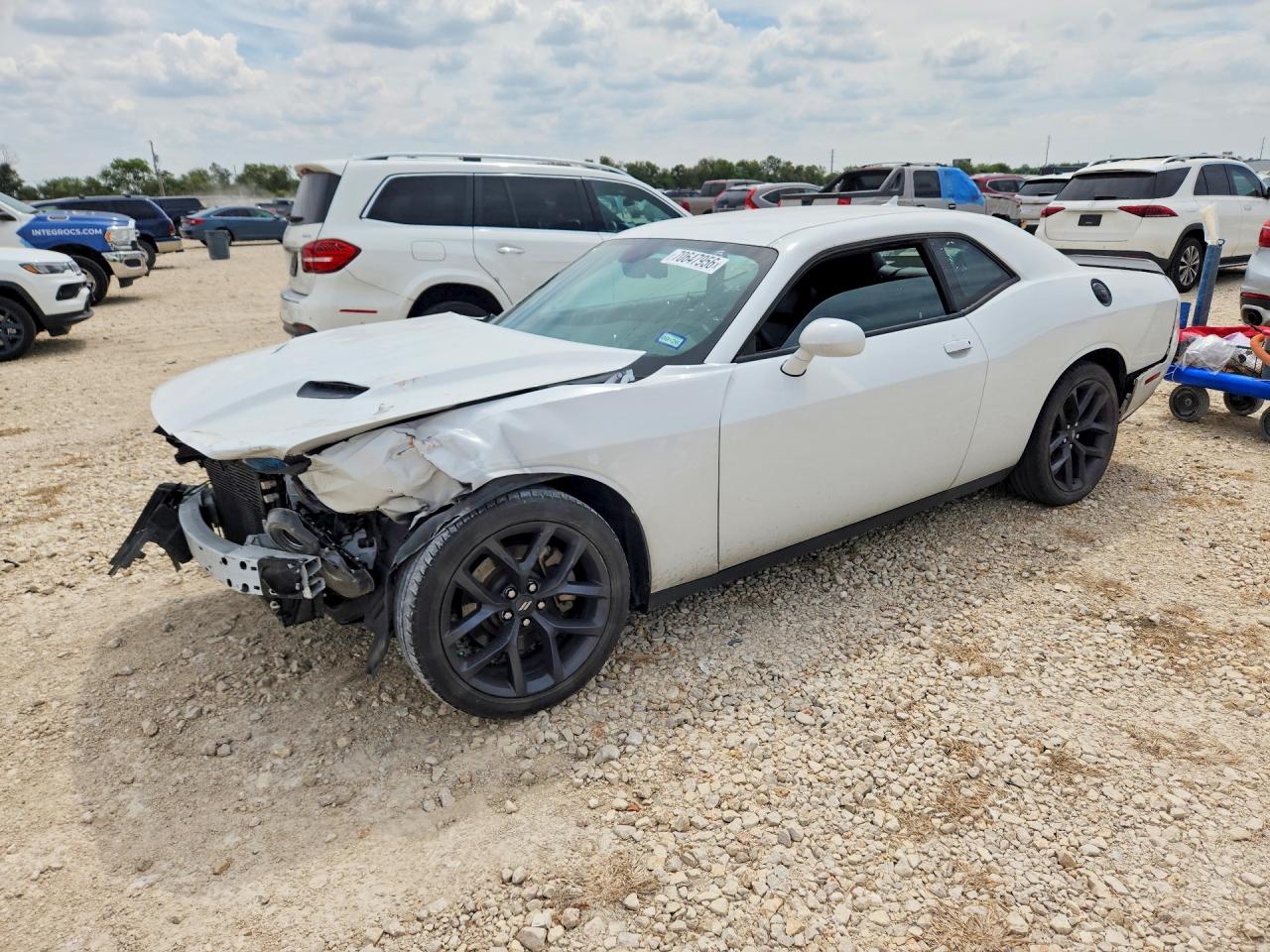
Primary damage in the record: front end. The damage type is a short label: the extent of the damage and the quality of any repair still have to be judged on the car. Given the kind of damage entered, a mechanic should look first at the radiator support, the headlamp mountings and the front crash structure.
A note in the source data says the car did not run. The engine would not start, which can mean anything from a flat battery to serious mechanical damage. A key was there when the car was checked. A condition note describes the car at one moment; months of standing or later work on the car can change the picture in either direction.
According to the source data, the car has a non-repairable title. A title like this is issued when repair was judged uneconomical or unsafe. A branded title follows the car through every change of owner, so it remains part of its history.
Every car builds up a history from the day it is first registered: owners come and go, inspections are passed or failed, and repairs are paid for. A car’s paperwork is scattered: the registry knows about owners, the workshop about repairs and the insurance company about claims. Much of a car’s past cannot be seen: a good body repair leaves no obvious mark, and neither do years of hard driving.
For the engine, the service history matters most: oil changes, filters and the timing belt or chain are the entries to look for. On a petrol engine, spark plugs, ignition coils and the cooling system are the routine items a service history should cover. With no test drive possible, the automatic gearbox has to be assessed on a lift and with diagnostic equipment.
The ninth character of the VIN is a check digit calculated from the other sixteen, so a mistyped or invented number does not add up. The VIN on file for this car is 2C3CDZAG4HH611792. The number in the car’s documents should match the one stamped into the body and the one on the plate at the base of the windscreen.
Where entries exist, a VIN check can show changes of owner, past mileage readings, reported damage and whether the car is listed as stolen. A repair paid for in cash at a small workshop leaves no trace in any database, so no report can list it. The past is on file; the car’s condition today is a job for a mechanic, who can check the structure, underbody, electrics and any repairs on a lift. A history check on VIN 2C3CDZAG4HH611792 is the place to start.
Similar DODGE CHALLENGER SXT cars
All DODGE cars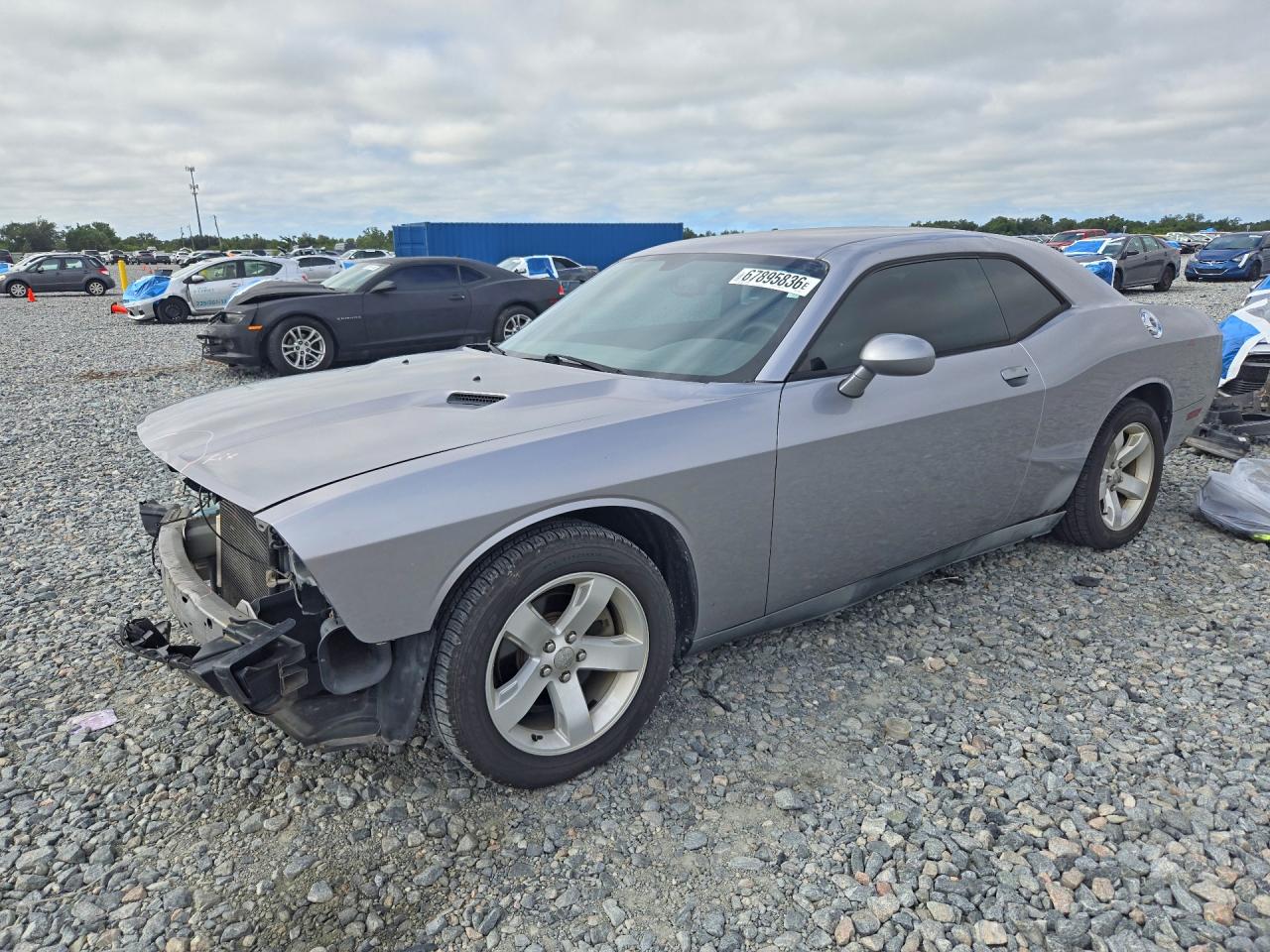 2013 DODGE CHALLENGER SXT
2C3CDY•••••••9372
3.6 gasoline · Automatic
Check history
2013 DODGE CHALLENGER SXT
2C3CDY•••••••9372
3.6 gasoline · Automatic
Check history
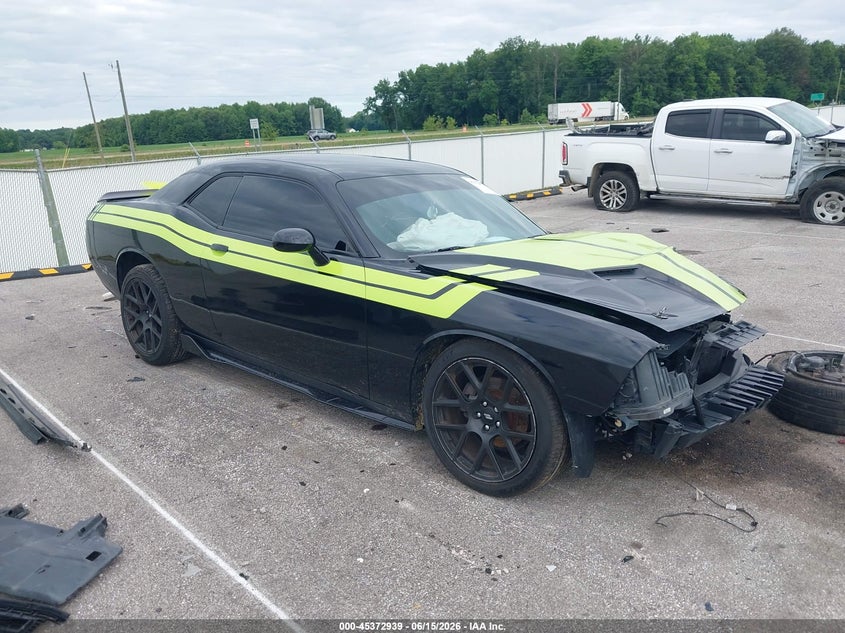 2017 DODGE CHALLENGER SXT
2C3CDZ•••••••1089
3.6 gasoline · Automatic
Check history
2017 DODGE CHALLENGER SXT
2C3CDZ•••••••1089
3.6 gasoline · Automatic
Check history
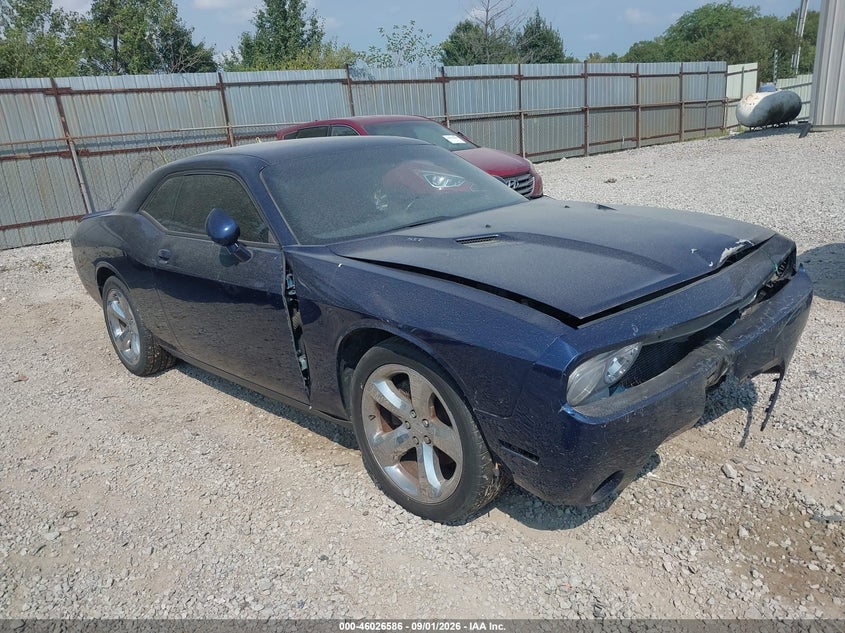 2014 DODGE CHALLENGER SXT
2C3CDY•••••••6622
3.6 gasoline · Automatic
Check history
2014 DODGE CHALLENGER SXT
2C3CDY•••••••6622
3.6 gasoline · Automatic
Check history
 2023 DODGE CHALLENGER SXT
2C3CDZ•••••••7015
3.6 gasoline · Automatic
Check history
2023 DODGE CHALLENGER SXT
2C3CDZ•••••••7015
3.6 gasoline · Automatic
Check history