2018 CHEVROLET EQUINOX LT VIN 2GNAXSEV5J6347520

Damage map
If damage records exist for this VIN, the report shows the affected zonesTheft, liens and title
Checks that matter for registration and resaleRecorded condition
What the source noted about the car as it stands- Runs and drives
- No
- Engine starts
- No
- Keys available
- Yes
- Start code
- Stationary
History timeline
Data decoded from the VIN is shown. Records on file, if any, are in the full report.Mileage
Odometer reading as recorded at the sourceEarlier photos may be in the report
Check before you buy
Four things worth checking on any used carCHEVROLET EQUINOX LT specifications
- VIN
- 2GNAXSEV5J6347520
- Make
- CHEVROLET
- Model
- EQUINOX LT
- Year
- 2018
- Colour
- RED
- Fuel
- Gasoline
- Engine
- 1.5 L
- Cylinders
- 4
- Power
- 170 hp
- Transmission
- Automatic
- Drive
- AWD
- Recorded odometer
- 31 835 mi
- Recorded damage
- Flood
What buyers ask about the CHEVROLET EQUINOX LT
Was this 2018 CHEVROLET EQUINOX LT damaged before?
The damage in the specifications is what the source noted at the time. Earlier accidents and repairs on file for VIN 2GNAXSEV5J6347520, if any, are in the full report.
Can I trust the odometer reading of 31 835 mi?
It is the figure as recorded, not verified. Compare it with the earlier readings in the full report: they can only go up, so a drop points to a wound-back odometer.
In which countries was this car registered?
Registrations abroad seldom reach local registers. If this car was registered in other countries, the full report names them.
Who sells the report, and what does it cost?
An independent partner, selected automatically for each VIN by our system from analytical data. The partner shows the price before you pay; we may earn a commission.
VIN 2GNAXSEV5J6347520: history
The Chevrolet Equinox LT described here left the factory in 2018. Power reaches the wheels through an automatic gearbox. The engine is a 1.5-litre petrol unit with four cylinders.
The recorded mileage is 31,835 miles. A clock converted from miles to kilometres should be documented, since the swap can hide the true mileage. Little distance per year can mean long periods of standing, light use or a tampered clock, and only older entries tell these apart. Services and inspections note the distance covered, so a car with an ordinary past builds up a trail of figures that climb year after year.
The record lists flood damage as the main problem on this car. Two cars with the same damage label can be very different: one needs a few new parts, the other major work. Whatever the cause, a diagnostic scan of the car’s electronics shows fault codes that a visual check misses.
As a non-runner, the car needs its engine, gearbox and electrics assessed before anything else. The engine could not be started. A key was noted with the car. A condition note describes the car at one moment; months of standing or later work on the car can change the picture in either direction.
The car carries a salvage title. Titles of this type are issued to cars declared a total loss. The structure and the quality of any work done deserve a thorough inspection on a car with a branded title, however sound the car looks.
Registrations, changes of owner, inspection results and accident claims together make up what is called a car’s history. Pieces of a car’s history sit with registries, dealers, workshops and insurance companies, and none of them sees the whole picture. A car’s past rarely shows on the paintwork: a well-repaired accident or water damage that was dried out is easy to miss.
When a car does not run, a compression test and the condition of the oil tell a mechanic whether the engine can be brought back to life. On a petrol engine, spark plugs, ignition coils and the cooling system are the routine items a service history should cover. While the car does not run, stored fault codes and a look at the fluid are the only early evidence of how the automatic gearbox has fared. A car with all-wheel drive has extra differentials and often a transfer case, which an inspection should cover alongside the engine and gearbox.
A VIN never contains the letters I, O or Q, which could be mistaken for digits; its 17 characters identify the maker, the model and the individual car. The VIN on file for this car is 2GNAXSEV5J6347520. The number in the car’s documents should match the one stamped into the body and the one on the plate at the base of the windscreen.
Depending on what is on file, a VIN report may include past registrations, mileage readings, damage entries, branded titles and theft checks. A repair paid for in cash at a small workshop leaves no trace in any database, so no report can list it. A VIN check and a physical inspection answer different questions: the first says what happened to the car, the second what condition it is in now. A history check on VIN 2GNAXSEV5J6347520 is the place to start.
Similar CHEVROLET EQUINOX LT cars
All CHEVROLET cars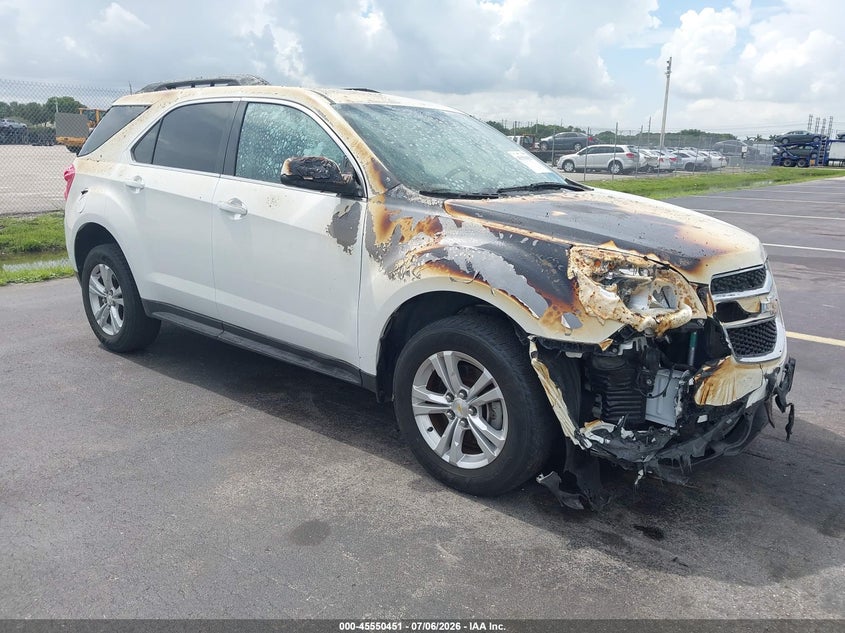 2013 CHEVROLET EQUINOX LT
2GNFLE•••••••2684
2.4 gasoline · Automatic
Check history
2013 CHEVROLET EQUINOX LT
2GNFLE•••••••2684
2.4 gasoline · Automatic
Check history
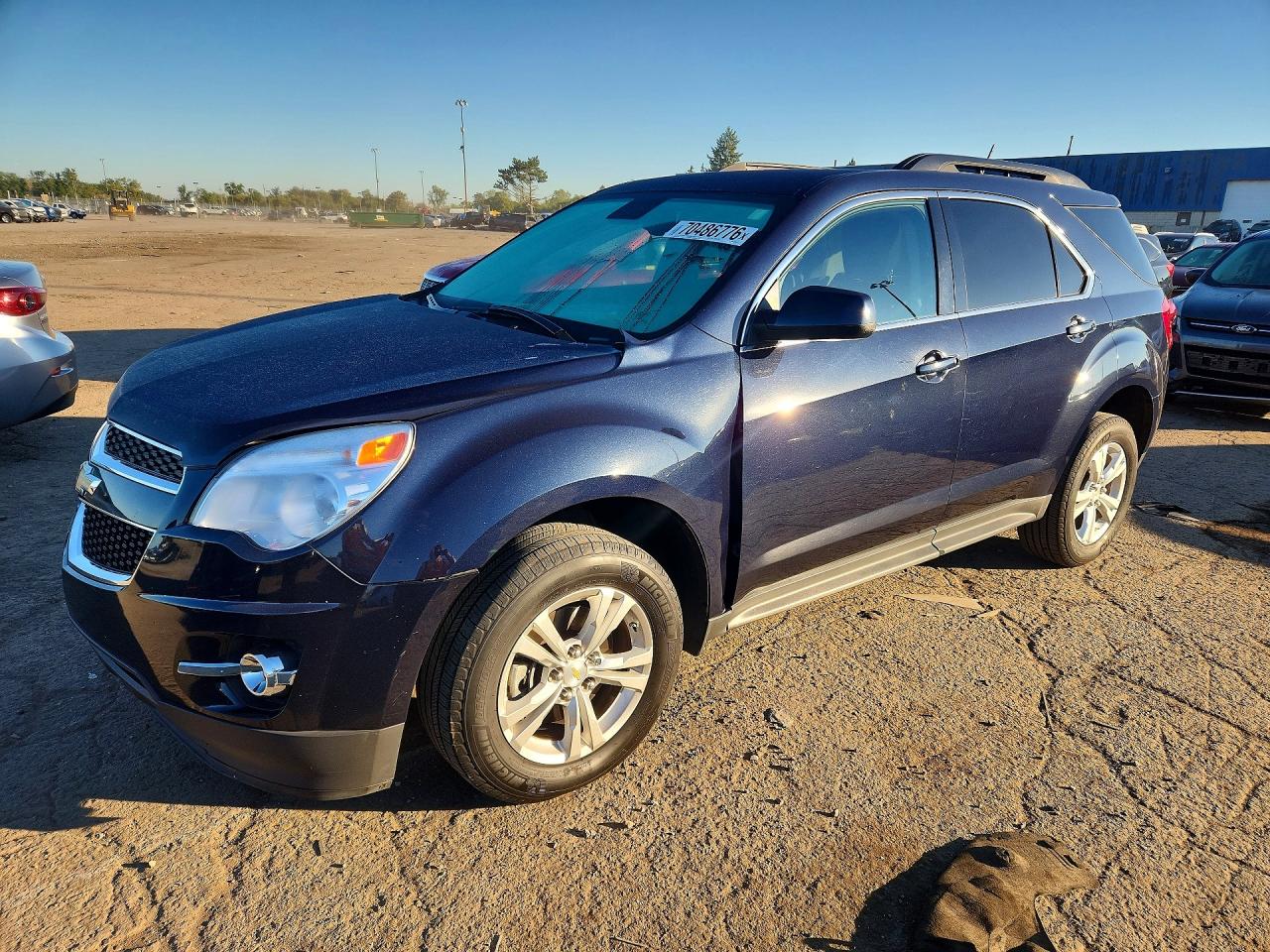 2015 CHEVROLET EQUINOX LT
2GNALC•••••••1616
2.4 gasoline · Automatic
Check history
2015 CHEVROLET EQUINOX LT
2GNALC•••••••1616
2.4 gasoline · Automatic
Check history
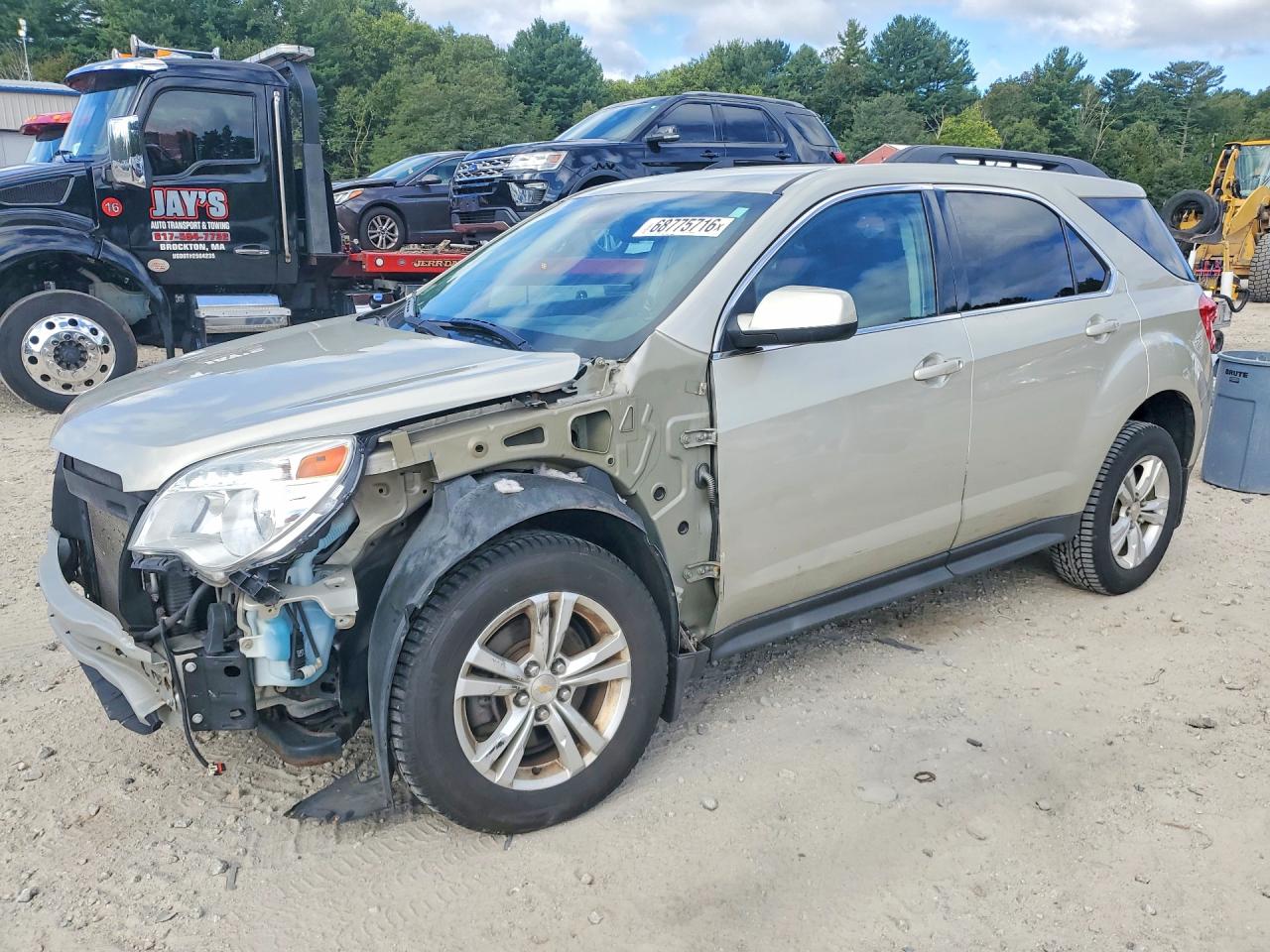 2015 CHEVROLET EQUINOX LT
2GNFLG•••••••1854
2.4 gasoline · Automatic
Check history
2015 CHEVROLET EQUINOX LT
2GNFLG•••••••1854
2.4 gasoline · Automatic
Check history
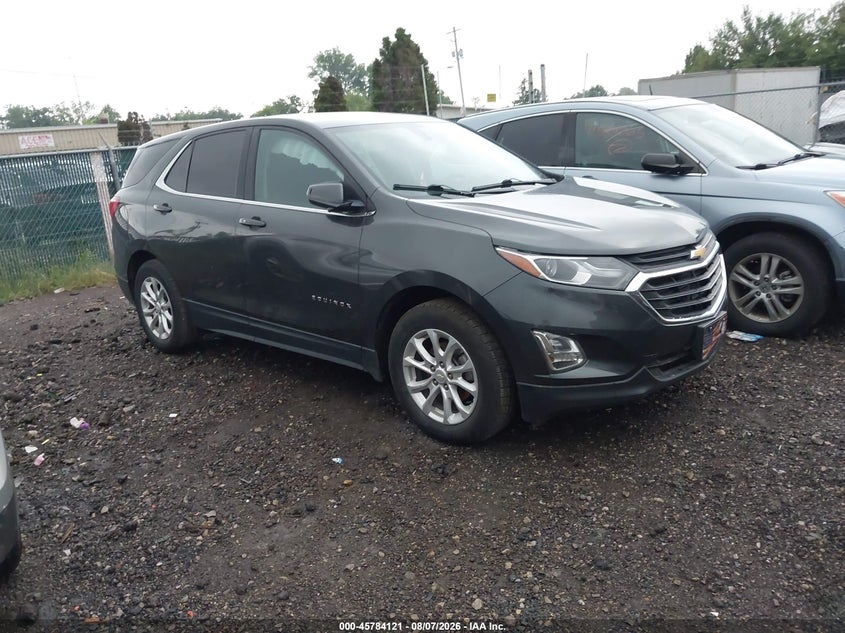 2018 CHEVROLET EQUINOX LT
2GNAXJ•••••••4870
1.5 gasoline · Automatic
Check history
2018 CHEVROLET EQUINOX LT
2GNAXJ•••••••4870
1.5 gasoline · Automatic
Check history