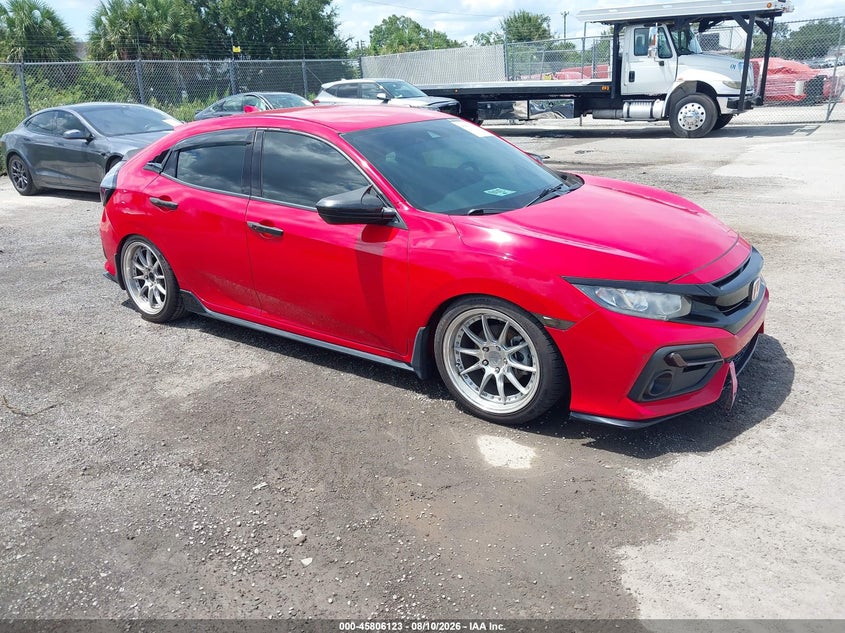
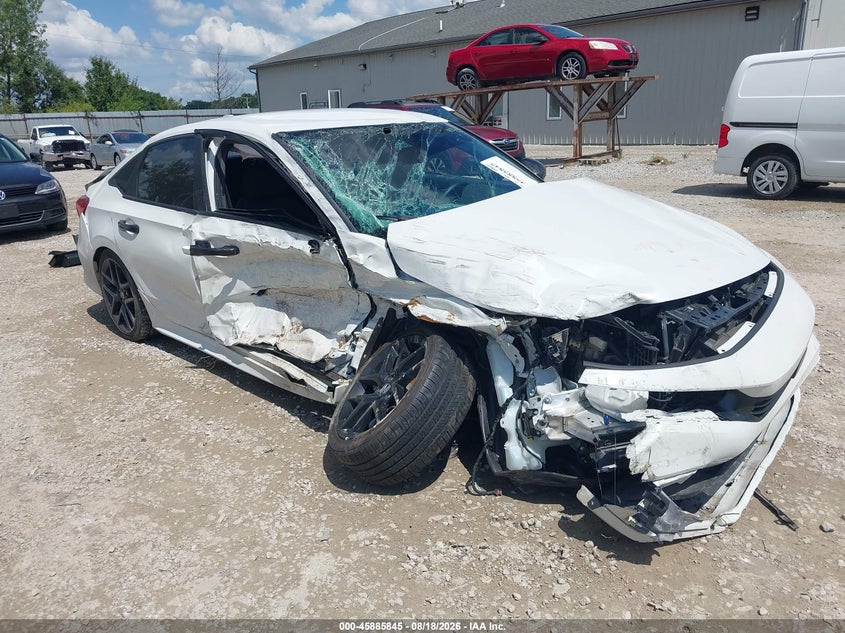
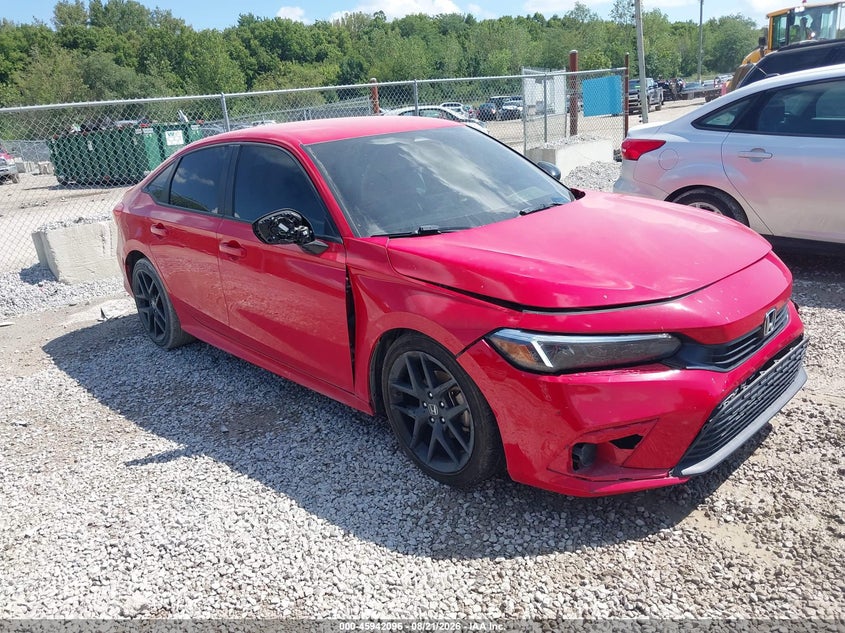
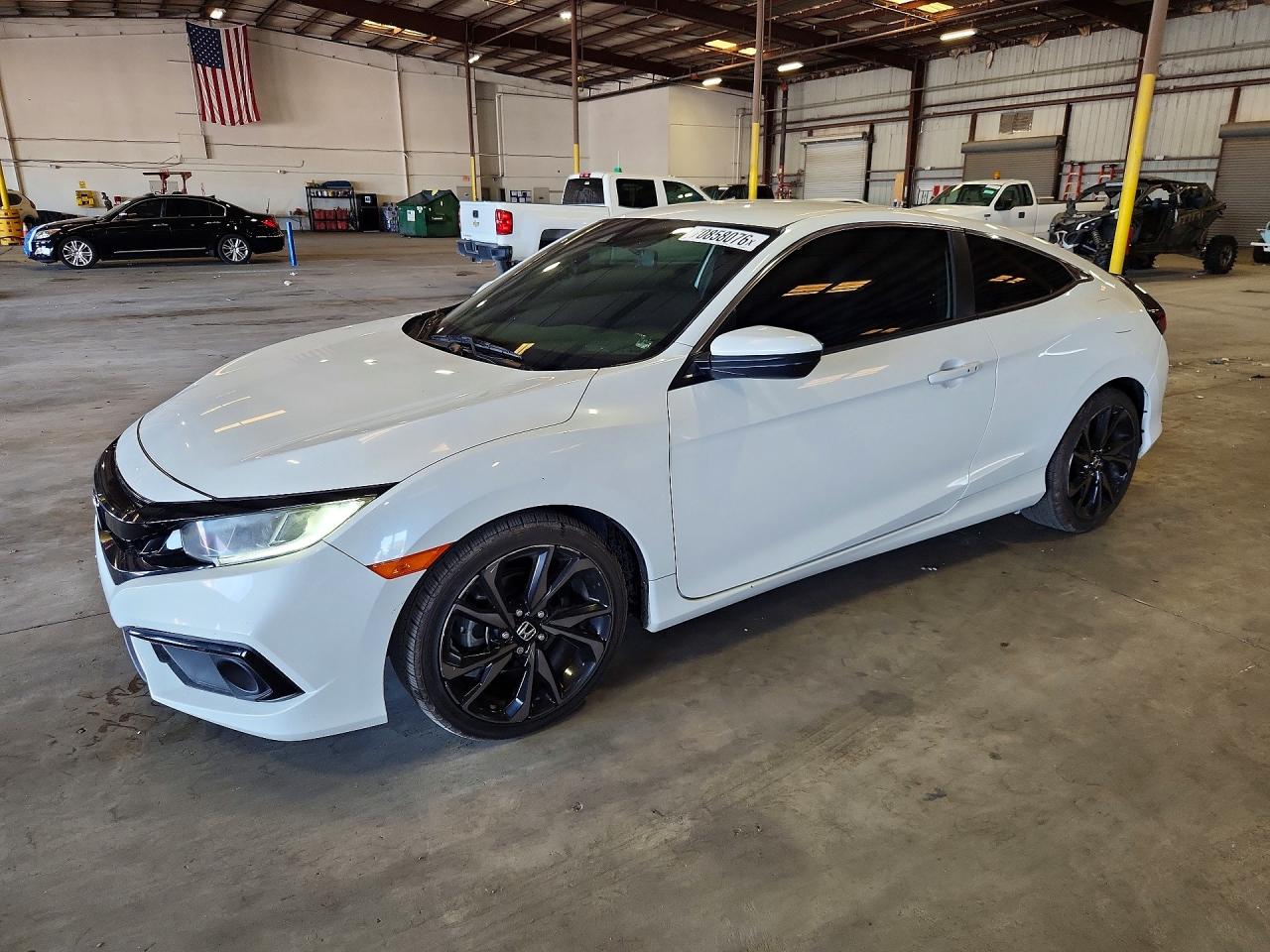
2020 HONDA CIVIC SPORT VIN 2HGFC4B84LH300685
Damage map
If damage records exist for this VIN, the report shows the affected zonesTheft, liens and title
Checks that matter for registration and resaleRecorded condition
What the source noted about the car as it stands- Runs and drives
- Yes
- Engine starts
- Yes
- Keys available
- Yes
- Start code
- Run & Drive
History timeline
Data decoded from the VIN is shown. Records on file, if any, are in the full report.Mileage
Odometer reading as recorded at the sourceEarlier photos may be in the report
Check before you buy
Four things worth checking on any used carHONDA CIVIC SPORT specifications
- VIN
- 2HGFC4B84LH300685
- Make
- HONDA
- Model
- CIVIC SPORT
- Year
- 2020
- Colour
- WHITE
- Fuel
- Gasoline
- Engine
- 2.0 L
- Cylinders
- 4
- Power
- 158 hp
- Transmission
- CVT
- Drive
- FWD
- Recorded odometer
- 89 417 mi
- Recorded damage
- Minor Dent/Scratches
What buyers ask about the HONDA CIVIC SPORT
Was this 2020 HONDA CIVIC SPORT damaged before?
The damage in the specifications is what the source noted at the time. Earlier accidents and repairs on file for VIN 2HGFC4B84LH300685, if any, are in the full report.
Can I trust the odometer reading of 89 417 mi?
It is the figure as recorded, not verified. Compare it with the earlier readings in the full report: they can only go up, so a drop points to a wound-back odometer.
In which countries was this car registered?
Registrations abroad seldom reach local registers. If this car was registered in other countries, the full report names them.
Who sells the report, and what does it cost?
An independent partner, selected automatically for each VIN by our system from analytical data. The partner shows the price before you pay; we may earn a commission.
VIN 2HGFC4B84LH300685: history
This Honda Civic Sport was built in 2020. There is a CVT gearbox, with front-wheel drive. The car runs on petrol. The specification is taken from the source data.
The record gives the mileage as 89,417 miles. Because the clock counts miles, any figure noted in kilometres has to be converted before the two can be compared. A later figure lower than an earlier one points to a replaced instrument cluster or an odometer that has been wound back. Figures carry most weight when they come from independent sources: workshops, inspection stations and past title paperwork.
In the source data, the main issue is minor dents and scratches. Two cars with the same damage label can be very different: one needs a few new parts, the other major work. Whatever the cause, a diagnostic scan of the car’s electronics shows fault codes that a visual check misses.
When checked, the car could be started and driven under its own power. A key is on file for the car.
Registrations, changes of owner, inspection results and accident claims together make up what is called a car’s history. A car’s paperwork is scattered: the registry knows about owners, the workshop about repairs and the insurance company about claims. Much of a car’s past cannot be seen: a good body repair leaves no obvious mark, and neither do years of hard driving.
A petrol engine in good order starts cleanly, idles evenly and pulls without hesitation. The CVT gearbox should respond smoothly and without delay; jerks, slipping or hesitation on a test drive need investigating.
Every modern car carries a 17-character VIN, and no two cars share one. The record gives the VIN as 2HGFC4B84LH300685.
A VIN report gathers what different sources know about a car, such as the number of owners, mileage readings, damage and any branded title. The past is on file; the car’s condition today is a job for a mechanic, who can check the structure, underbody, electrics and any repairs on a lift. The next step is to look up the history behind VIN 2HGFC4B84LH300685.