2022 VOLKSWAGEN TIGUAN 2.0T S VIN 3VV1B7AXXNM109297
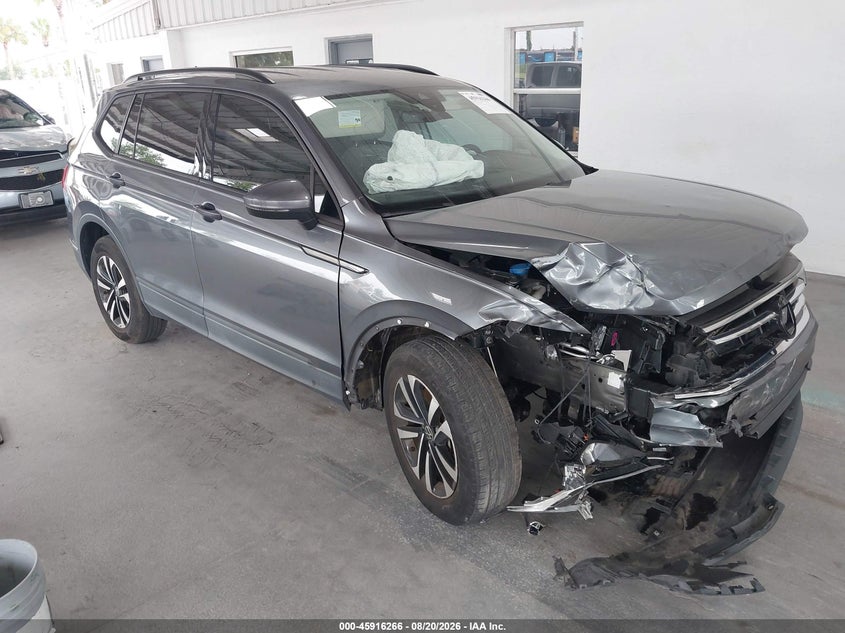
Damage map
If damage records exist for this VIN, the report shows the affected zonesTheft, liens and title
Checks that matter for registration and resaleRecorded condition
What the source noted about the car as it stands- Runs and drives
- Yes
- Engine starts
- Yes
- Keys available
- Yes
- Start code
- Run & Drive
History timeline
Data decoded from the VIN is shown. Records on file, if any, are in the full report.Mileage
Odometer reading as recorded at the sourceEarlier photos may be in the report
Check before you buy
Four things worth checking on any used carVOLKSWAGEN TIGUAN 2.0T S specifications
- VIN
- 3VV1B7AXXNM109297
- Make
- VOLKSWAGEN
- Model
- TIGUAN 2.0T S
- Year
- 2022
- Colour
- GRAY
- Fuel
- Gasoline
- Engine
- 2.0 L
- Cylinders
- 4
- Power
- 184 hp
- Transmission
- Automatic
- Drive
- FWD
- Recorded odometer
- 106 796 mi
- Recorded damage
- UNDERCARRIAGE
What buyers ask about the VOLKSWAGEN TIGUAN 2.0T S
Was this 2022 VOLKSWAGEN TIGUAN 2.0T S damaged before?
The damage in the specifications is what the source noted at the time. Earlier accidents and repairs on file for VIN 3VV1B7AXXNM109297, if any, are in the full report.
Can I trust the odometer reading of 106 796 mi?
It is the figure as recorded, not verified. Compare it with the earlier readings in the full report: they can only go up, so a drop points to a wound-back odometer.
In which countries was this car registered?
Registrations abroad seldom reach local registers. If this car was registered in other countries, the full report names them.
Who sells the report, and what does it cost?
An independent partner, selected automatically for each VIN by our system from analytical data. The partner shows the price before you pay; we may earn a commission.
VIN 3VV1B7AXXNM109297: history
This Volkswagen Tiguan 2.0T S is a 2022 model, finished in grey. The drivetrain combines an automatic gearbox with front-wheel drive. The engine is a 2.0-litre petrol unit with four cylinders. Every figure for this car is given as it appears in the source data.
At the time of recording, the car had covered 106,796 miles. Miles and kilometres are easy to confuse, and a distance in miles looks lower than the same distance in kilometres. High mileage alone does not rule a car out; what matters is whether regular servicing kept pace with it. Services and inspections note the distance covered, so a car with an ordinary past builds up a trail of figures that climb year after year. Figures carry most weight when they come from independent sources: workshops, inspection stations and past title paperwork.
In the source data, the main issue is underbody damage. A damage type says what kind of damage the car had, not how serious it was or whether it has been repaired since. Some damage shows its consequences only later: corroded connectors and electrical faults can surface months afterwards.
When checked, the car could be started and driven under its own power. A key was noted with the car. Months of standing can leave a car with seized brakes and perished tyres.
A salvage title is on file for this car. Such a title means the car was declared a total loss and can return to the road only after repair and inspection. If any work has been done on the car since, photos and invoices should show what was replaced.
A car’s history answers three questions: who kept it, how it was looked after and what went wrong along the way. Much of a car’s past cannot be seen: a good body repair leaves no obvious mark, and neither do years of hard driving.
Regular oil changes and timely work on the timing belt or chain decide how well an engine copes with age. On a petrol engine, a rough idle, misfires or a warning light on the dashboard need looking into. The automatic gearbox needs its fluid changed at the manufacturer’s intervals, and invoices should show that it was.
A VIN never contains the letters I, O or Q, which could be mistaken for digits; its 17 characters identify the maker, the model and the individual car. This Volkswagen Tiguan 2.0T S has the VIN 3VV1B7AXXNM109297. The VIN usually appears at the base of the windscreen, on a door pillar and stamped into the body, and all of them should match the documents.
A VIN report shows what has been logged: earlier registrations, odometer figures, damage entries, branded titles and theft checks, wherever such data exists. Paperwork is only as complete as the people who kept it, so a report with few entries lowers the risk without removing it. A VIN check and a physical inspection answer different questions: the first says what happened to the car, the second what condition it is in now. Before any decision, check what is known about VIN 3VV1B7AXXNM109297.
Similar VOLKSWAGEN TIGUAN 2.0T S cars
All VOLKSWAGEN cars 2019 VOLKSWAGEN TIGUAN 2.0T S
3VV0B7•••••••0864
2.0 gasoline · Automatic
Check history
2019 VOLKSWAGEN TIGUAN 2.0T S
3VV0B7•••••••0864
2.0 gasoline · Automatic
Check history
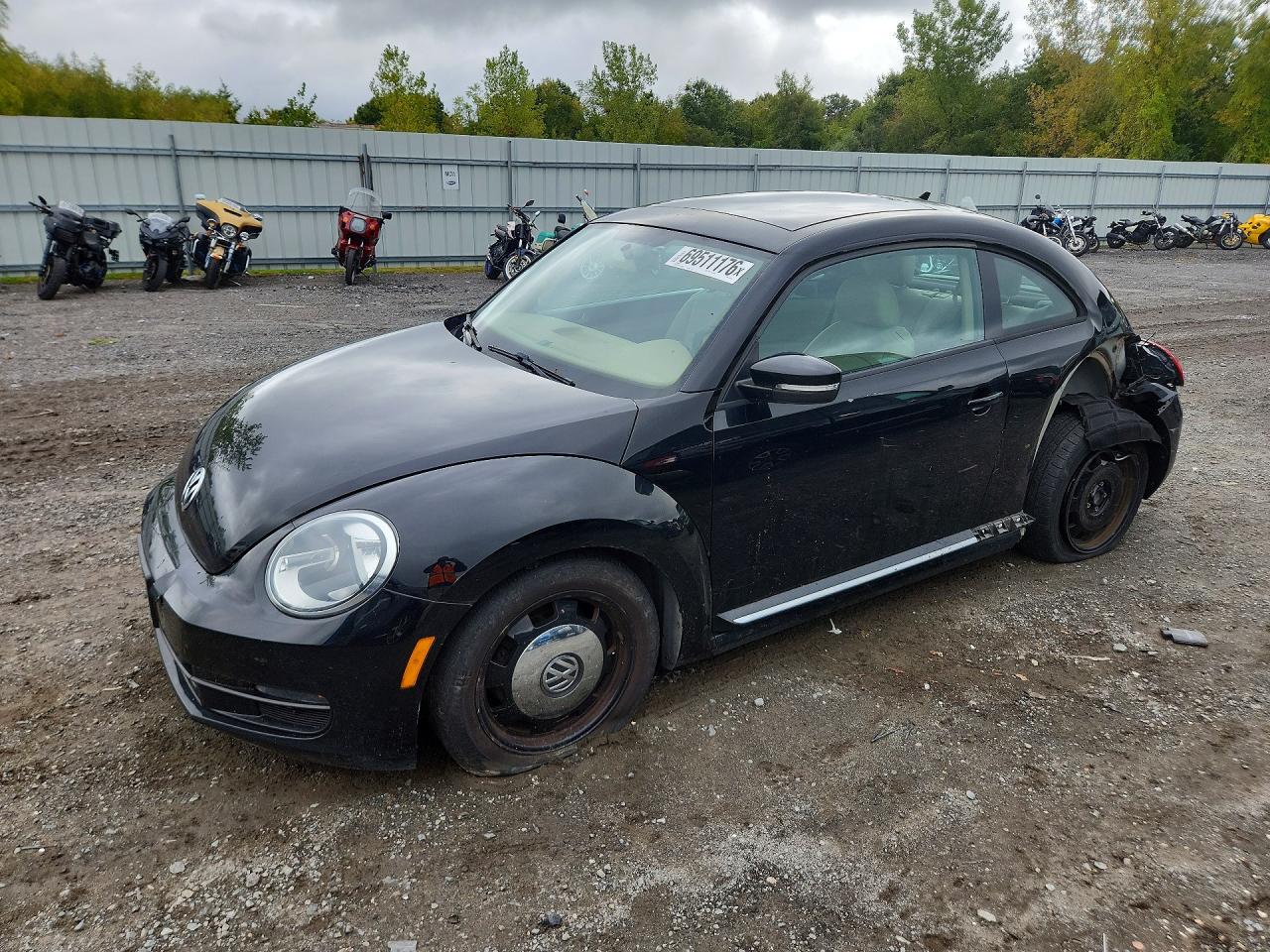 2013 VOLKSWAGEN BEETLE
3VWJP7•••••••1135
2.5 gasoline · Automatic
Check history
2013 VOLKSWAGEN BEETLE
3VWJP7•••••••1135
2.5 gasoline · Automatic
Check history
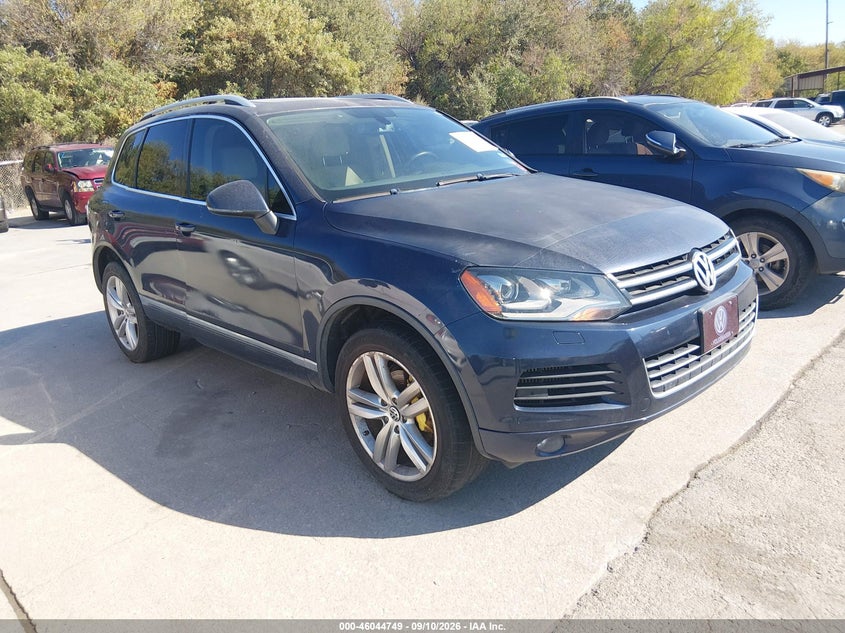 2012 VOLKSWAGEN TOUAREG TDI EXECUTIVE
WVGFK9•••••••3741
3.0 diesel · Automatic
Check history
2012 VOLKSWAGEN TOUAREG TDI EXECUTIVE
WVGFK9•••••••3741
3.0 diesel · Automatic
Check history
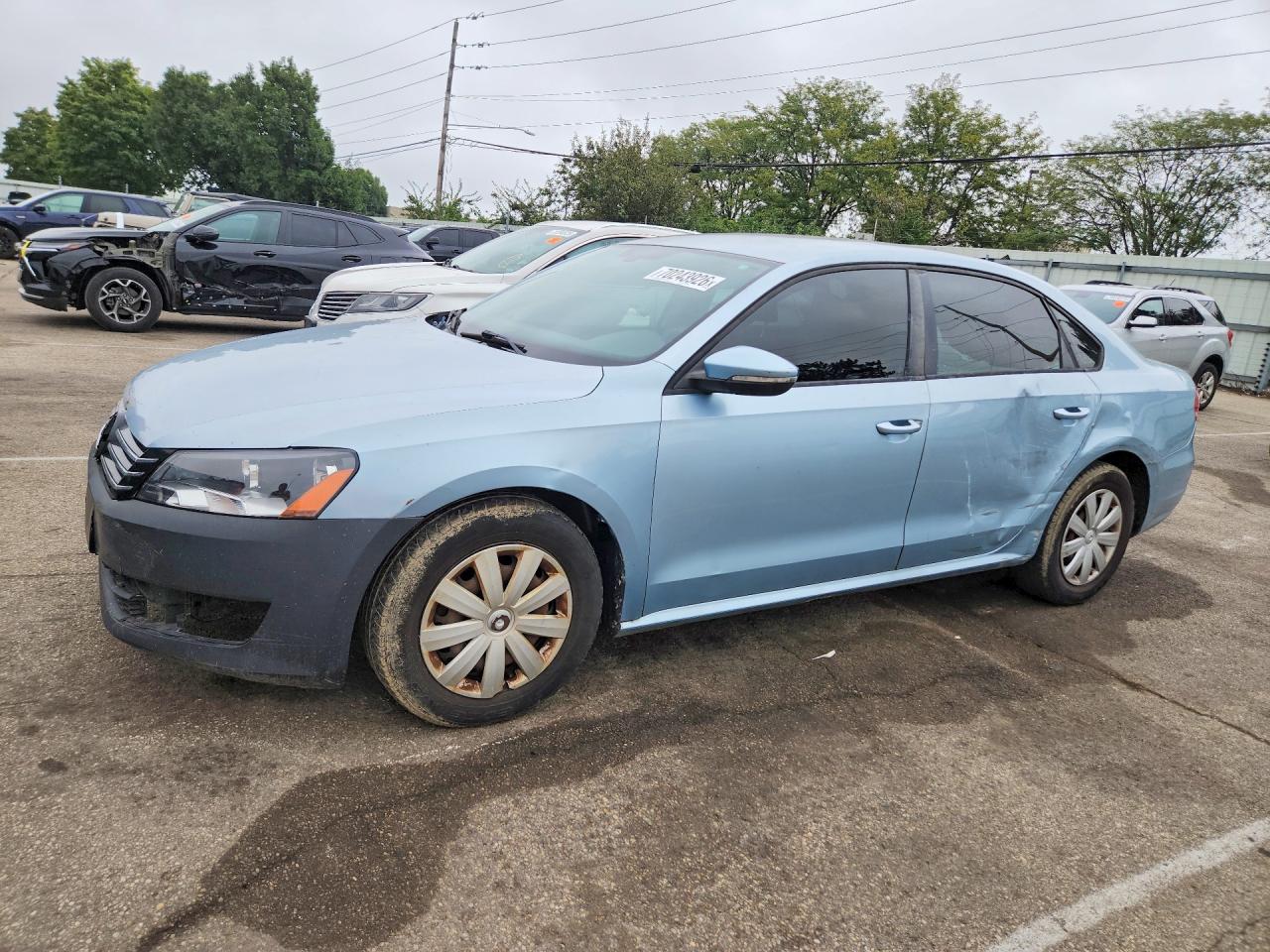 2012 VOLKSWAGEN PASSAT S
1VWAP7•••••••1821
2.5 gasoline · Automatic
Check history
2012 VOLKSWAGEN PASSAT S
1VWAP7•••••••1821
2.5 gasoline · Automatic
Check history