2025 TOYOTA CAMRY SE VIN 4T1DAACK9SU182788
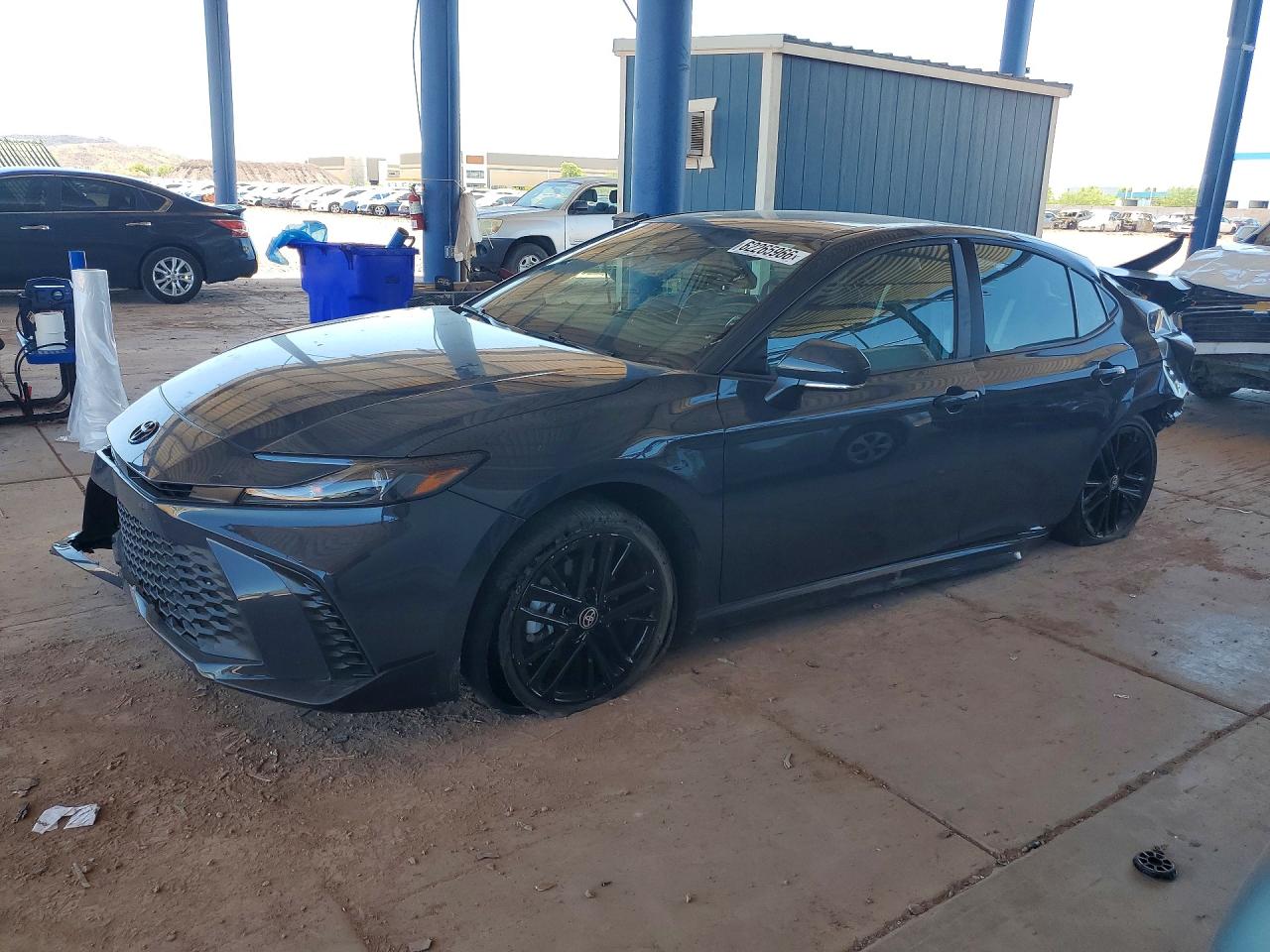
Damage map
If damage records exist for this VIN, the report shows the affected zonesTheft, liens and title
Checks that matter for registration and resaleRecorded condition
What the source noted about the car as it stands- Runs and drives
- No
- Engine starts
- Yes
- Keys available
- Yes
- Start code
- Starts
History timeline
Data decoded from the VIN is shown. Records on file, if any, are in the full report.Mileage
Odometer reading as recorded at the sourceEarlier photos may be in the report
Check before you buy
Four things worth checking on any used carTOYOTA CAMRY SE specifications
- VIN
- 4T1DAACK9SU182788
- Make
- TOYOTA
- Model
- CAMRY SE
- Year
- 2025
- Colour
- GRAY
- Fuel
- Hybrid
- Engine
- 2.5 L
- Cylinders
- 4
- Power
- 184 hp
- Transmission
- CVT
- Drive
- FWD
- Recorded odometer
- 36 558 mi
- Recorded damage
- Rear End
What buyers ask about the TOYOTA CAMRY SE
Was this 2025 TOYOTA CAMRY SE damaged before?
The damage in the specifications is what the source noted at the time. Earlier accidents and repairs on file for VIN 4T1DAACK9SU182788, if any, are in the full report.
Can I trust the odometer reading of 36 558 mi?
It is the figure as recorded, not verified. Compare it with the earlier readings in the full report: they can only go up, so a drop points to a wound-back odometer.
In which countries was this car registered?
Registrations abroad seldom reach local registers. If this car was registered in other countries, the full report names them.
Who sells the report, and what does it cost?
An independent partner, selected automatically for each VIN by our system from analytical data. The partner shows the price before you pay; we may earn a commission.
VIN 4T1DAACK9SU182788: history
This entry is for a 2025 Toyota Camry SE. The gearbox is continuously variable (CVT). The powertrain is hybrid. Every figure for this car is given as it appears in the source data.
The source data puts the mileage at 36,558 miles. The instruments count in miles; the same distance in kilometres is about 1.6 times the figure. The mileage is high for the car’s age, so the suspension, brakes, seats and steering wheel deserve a close look. The number on the clock proves little by itself; earlier figures logged at services and inspections are what make it believable. A service book or a folder of workshop invoices is the simplest place to find past readings.
The main issue noted for this car is rear-end damage. A damage entry is a starting point for the inspection, telling the mechanic where to look first. With rear-end damage on file, the inspection should start with the boot floor, the rear panel and the chassis rails.
A note in the source data says the car did not run. The engine started, although the car is not confirmed as drivable. A key was noted with the car. A condition note describes the car at one moment; months of standing or later work on the car can change the picture in either direction.
According to the source data, the car has a salvage title. Titles of this type are issued to cars declared a total loss.
Every car builds up a history from the day it is first registered: owners come and go, inspections are passed or failed, and repairs are paid for. A car’s past rarely shows on the paintwork: a well-repaired accident or water damage that was dried out is easy to miss.
An engine that has had its oil changed on time is far less likely to cause trouble later, and workshop invoices are the proof. A hybrid’s traction battery loses capacity over the years, and a health check by a specialist is the reliable way to know its condition. On a car that does not run, the CVT gearbox cannot be judged on the road; the colour and smell of its fluid and a diagnostic scan give the first clues.
A history check works by VIN because the number never changes, unlike registration plates and owners. This car’s identification number is 4T1DAACK9SU182788. The number in the car’s documents should match the one stamped into the body and the one on the plate at the base of the windscreen.
A VIN report shows what has been logged: earlier registrations, odometer figures, damage entries, branded titles and theft checks, wherever such data exists. Paperwork is only as complete as the people who kept it, so a report with few entries lowers the risk without removing it. A VIN check and a physical inspection answer different questions: the first says what happened to the car, the second what condition it is in now. Before going any further with this Toyota Camry SE, it makes sense to look up VIN 4T1DAACK9SU182788.
Similar TOYOTA CAMRY SE cars
All TOYOTA cars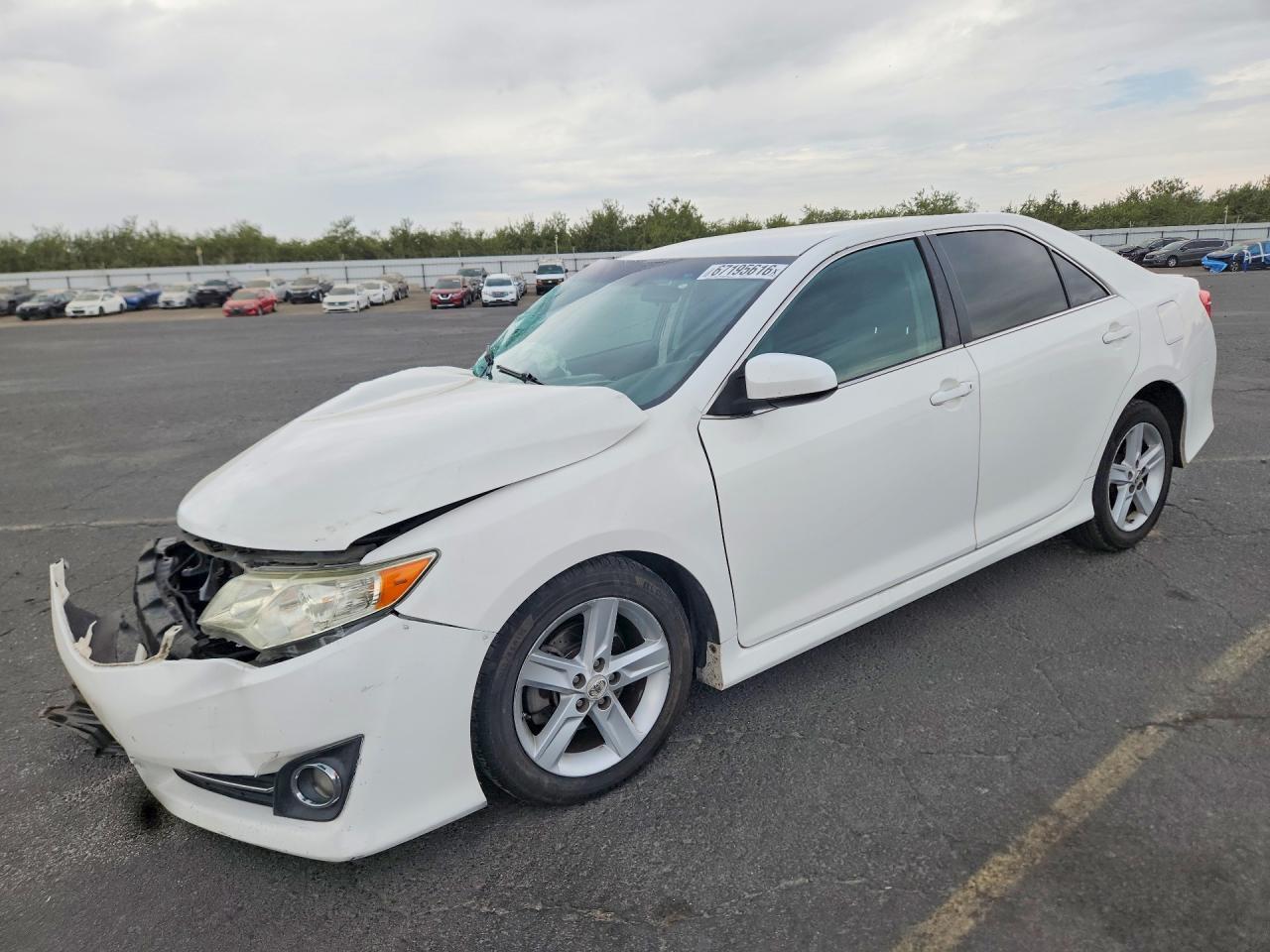 2012 TOYOTA CAMRY SE
4T1BF1•••••••6274
2.5 gasoline · Automatic
Check history
2012 TOYOTA CAMRY SE
4T1BF1•••••••6274
2.5 gasoline · Automatic
Check history
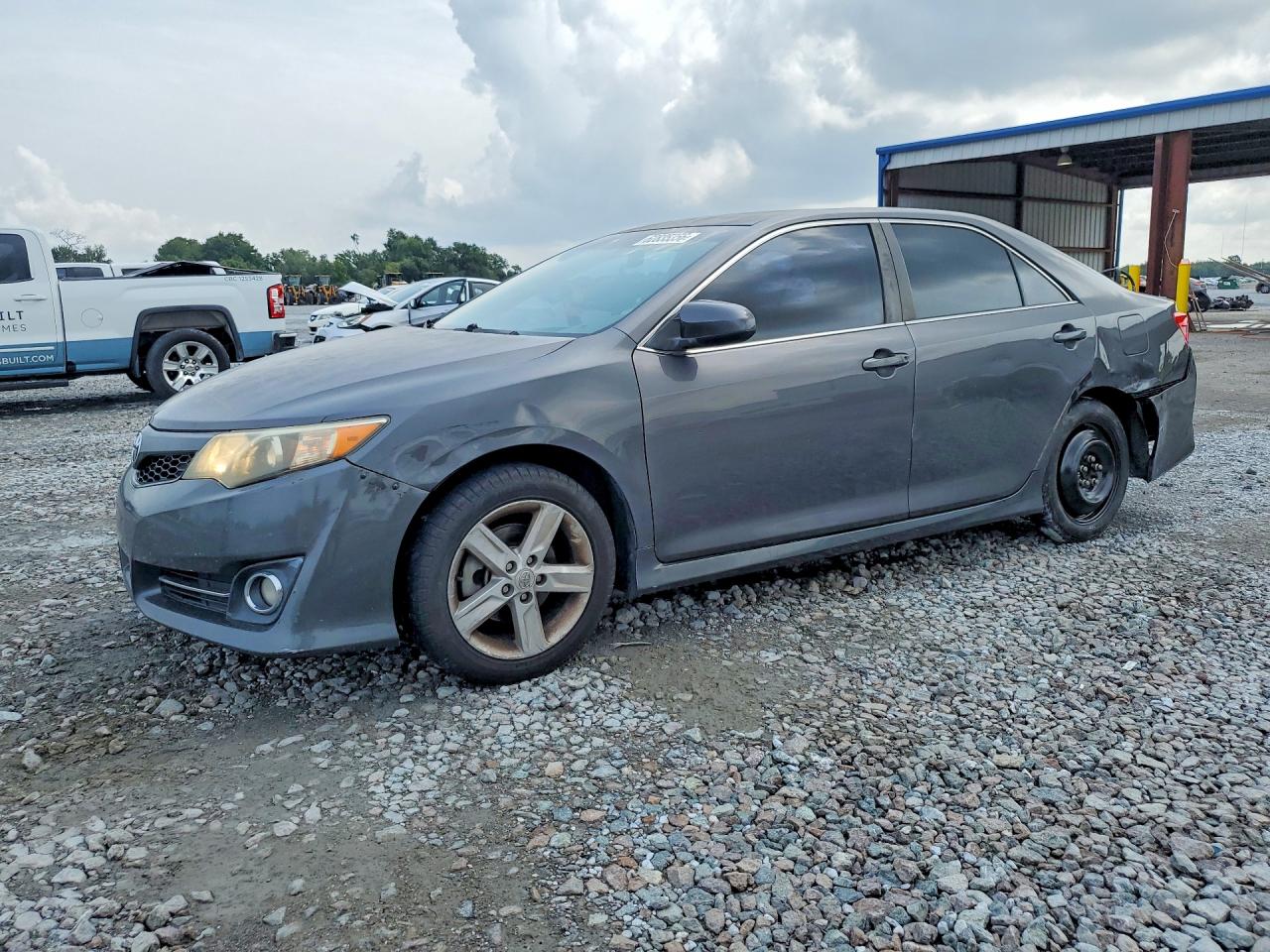 2013 TOYOTA CAMRY SE
4T1BF1•••••••8950
2.5 gasoline · Automatic
Check history
2013 TOYOTA CAMRY SE
4T1BF1•••••••8950
2.5 gasoline · Automatic
Check history
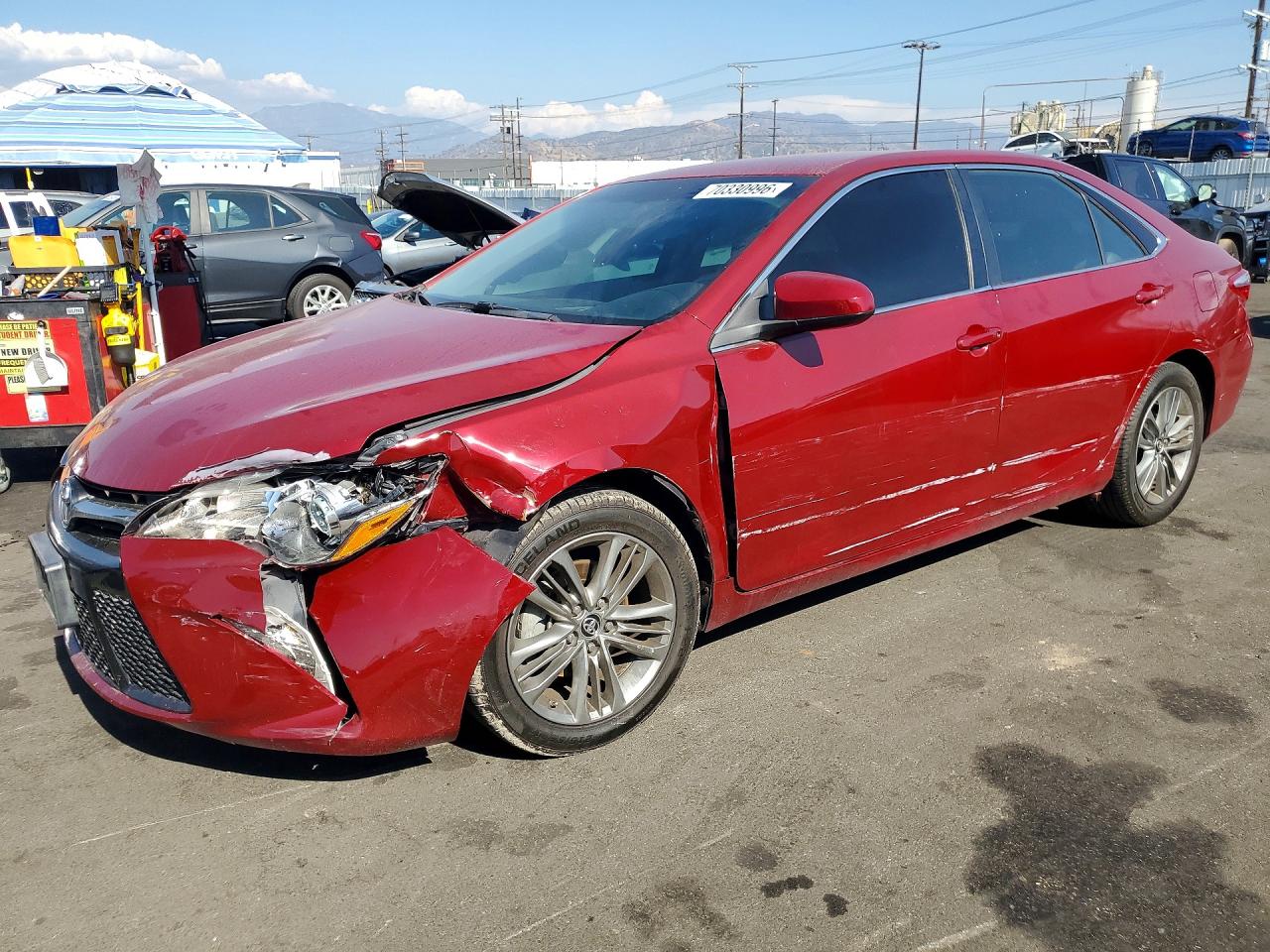 2016 TOYOTA CAMRY SE
4T1BF1•••••••4600
2.5 gasoline · Automatic
Check history
2016 TOYOTA CAMRY SE
4T1BF1•••••••4600
2.5 gasoline · Automatic
Check history
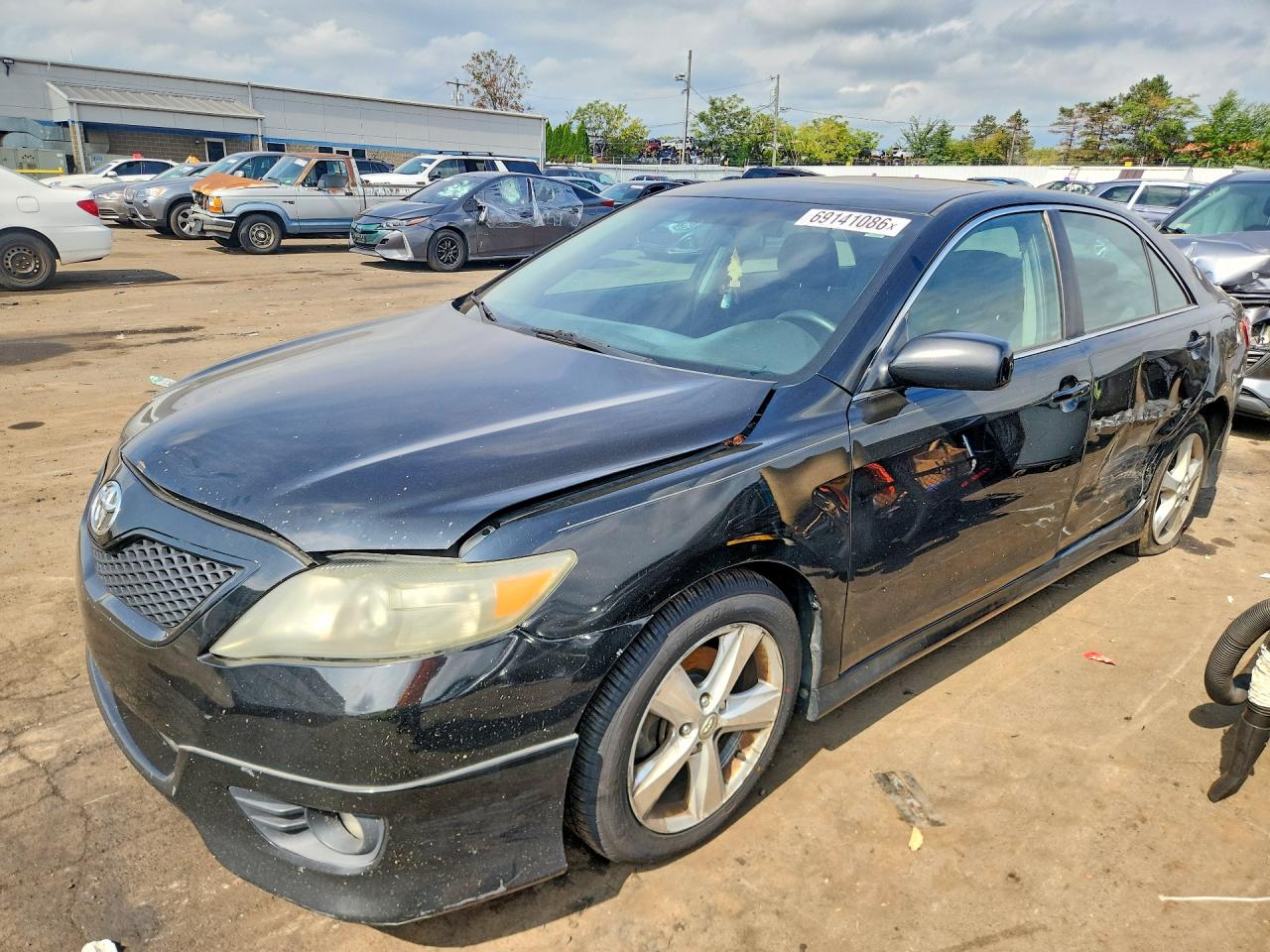 2011 TOYOTA CAMRY SE
4T1BF3•••••••0101
2.5 gasoline · Automatic
Check history
2011 TOYOTA CAMRY SE
4T1BF3•••••••0101
2.5 gasoline · Automatic
Check history