2014 NISSAN PATHFINDER SV VIN 5N1AR2MN2EC711809

Damage map
If damage records exist for this VIN, the report shows the affected zonesTheft, liens and title
Checks that matter for registration and resaleRecorded condition
What the source noted about the car as it stands- Runs and drives
- Yes
- Engine starts
- Yes
- Keys available
- Yes
- Start code
- Run & Drive
History timeline
Data decoded from the VIN is shown. Records on file, if any, are in the full report.Mileage
Odometer reading as recorded at the sourceEarlier photos may be in the report
Check before you buy
Four things worth checking on any used carNISSAN PATHFINDER SV specifications
- VIN
- 5N1AR2MN2EC711809
- Make
- NISSAN
- Model
- PATHFINDER SV
- Year
- 2014
- Colour
- RED
- Fuel
- Gasoline
- Engine
- 3.5 L
- Cylinders
- 6
- Transmission
- Automatic
- Drive
- FWD
- Recorded odometer
- 153 437 mi
- Recorded damage
- Front End
What buyers ask about the NISSAN PATHFINDER SV
Was this 2014 NISSAN PATHFINDER SV damaged before?
The damage in the specifications is what the source noted at the time. Earlier accidents and repairs on file for VIN 5N1AR2MN2EC711809, if any, are in the full report.
Can I trust the odometer reading of 153 437 mi?
It is the figure as recorded, not verified. Compare it with the earlier readings in the full report: they can only go up, so a drop points to a wound-back odometer.
In which countries was this car registered?
Registrations abroad seldom reach local registers. If this car was registered in other countries, the full report names them.
Who sells the report, and what does it cost?
An independent partner, selected automatically for each VIN by our system from analytical data. The partner shows the price before you pay; we may earn a commission.
VIN 5N1AR2MN2EC711809: history
This Nissan Pathfinder SV was built in 2014. There is an automatic gearbox, with front-wheel drive. The fuel is petrol.
The record gives the mileage as 153,437 miles. The instruments count in miles; the same distance in kilometres is about 1.6 times the figure. The number on the clock proves little by itself; earlier figures logged at services and inspections are what make it believable. A service book or a folder of workshop invoices is the simplest place to find past readings.
Primary damage in the record: front end. Two cars with the same damage label can be very different: one needs a few new parts, the other major work. Given the kind of damage entered, a mechanic should look first at the radiator support, the headlamp mountings and the front crash structure.
When checked, the car could be started and driven under its own power. A key is on file for the car. A condition note describes the car at one moment; months of standing or later work on the car can change the picture in either direction.
According to the source data, the car has a salvage title. At some point in its life, the car was declared a total loss. A branded title follows the car through every change of owner, so it remains part of its history.
Behind every used car lies a string of events: who owned it and for how long, what the inspections found and which repairs and claims were made. A car’s past rarely shows on the paintwork: a well-repaired accident or water damage that was dried out is easy to miss.
For the engine, the service history matters most: oil changes, filters and the timing belt or chain are the entries to look for. On a petrol engine, a rough idle, misfires or a warning light on the dashboard need looking into. Automatic transmissions, CVTs included, are expensive to repair, so the test drive should include pulling away from a standstill and a stretch at motorway speed.
A vehicle identification number has 17 characters: the first three name the manufacturer, the next six describe the model and its specification, and the last eight identify the individual car. The record gives the VIN as 5N1AR2MN2EC711809. Scratches, fresh paint or a replaced plate around the VIN markings are warning signs in their own right.
What a history report can list depends on what has been documented about the car: registrations, mileage readings, damage, branded titles and theft reports. Paperwork is only as complete as the people who kept it, so a report with few entries lowers the risk without removing it. A professional inspection makes sense whatever the paperwork shows, because no report measures corrosion, worn bushes or a poor repair. Look up the history of VIN 5N1AR2MN2EC711809 first, and let what it shows guide the inspection.
Similar NISSAN PATHFINDER SV cars
All NISSAN cars 2017 NISSAN PATHFINDER SV
5N1DR2•••••••6082
3.5 gasoline · CVT
Check history
2017 NISSAN PATHFINDER SV
5N1DR2•••••••6082
3.5 gasoline · CVT
Check history
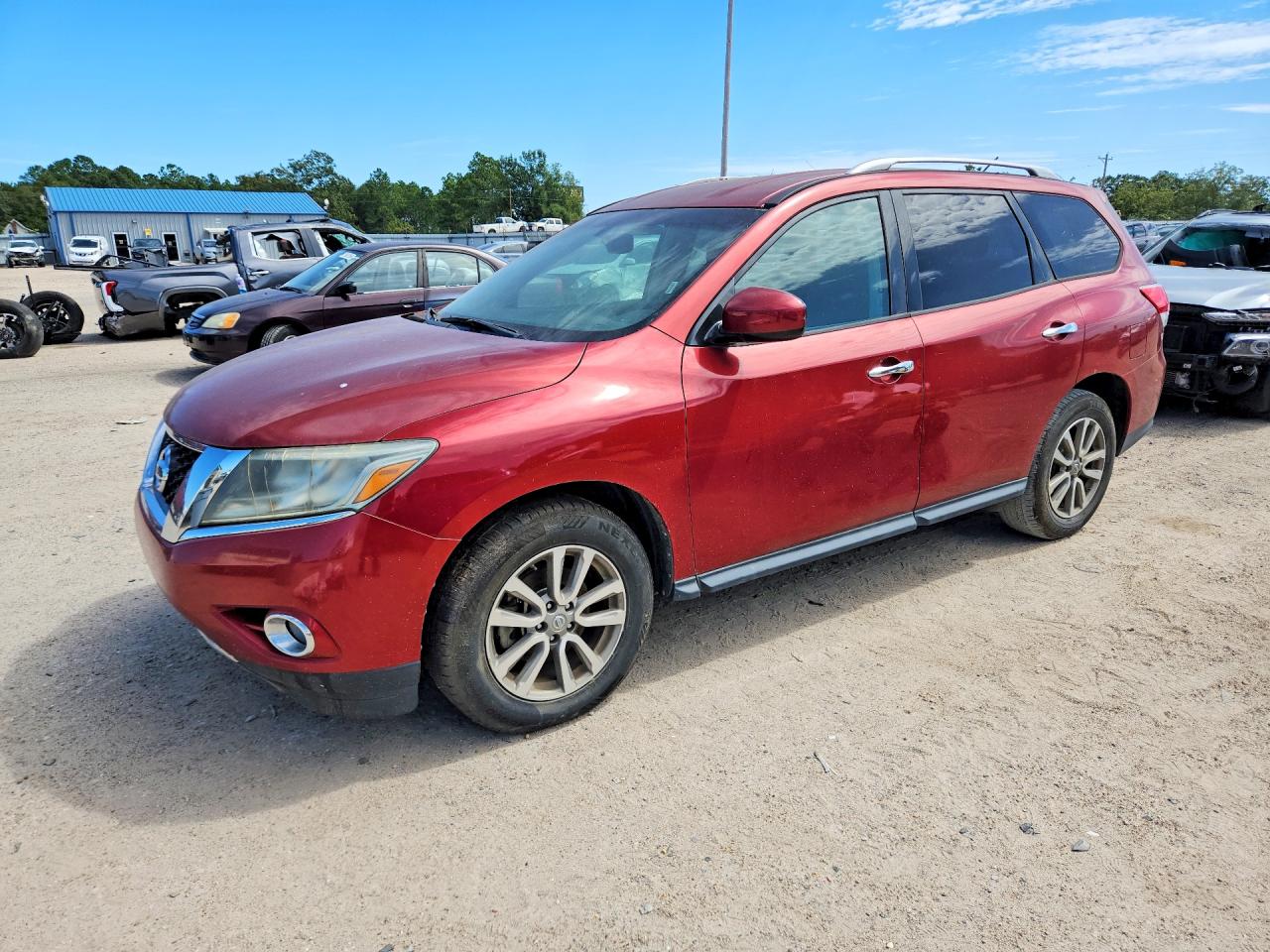 2015 NISSAN PATHFINDER SV
5N1AR2•••••••3540
3.5 gasoline · Automatic
Check history
2015 NISSAN PATHFINDER SV
5N1AR2•••••••3540
3.5 gasoline · Automatic
Check history
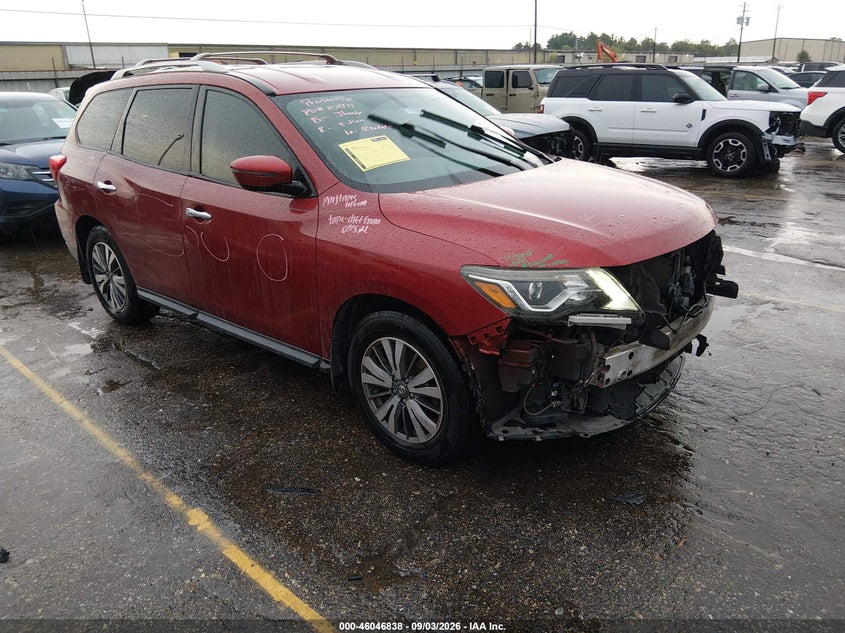 2017 NISSAN PATHFINDER SV
5N1DR2•••••••3463
3.5 gasoline · CVT
Check history
2017 NISSAN PATHFINDER SV
5N1DR2•••••••3463
3.5 gasoline · CVT
Check history
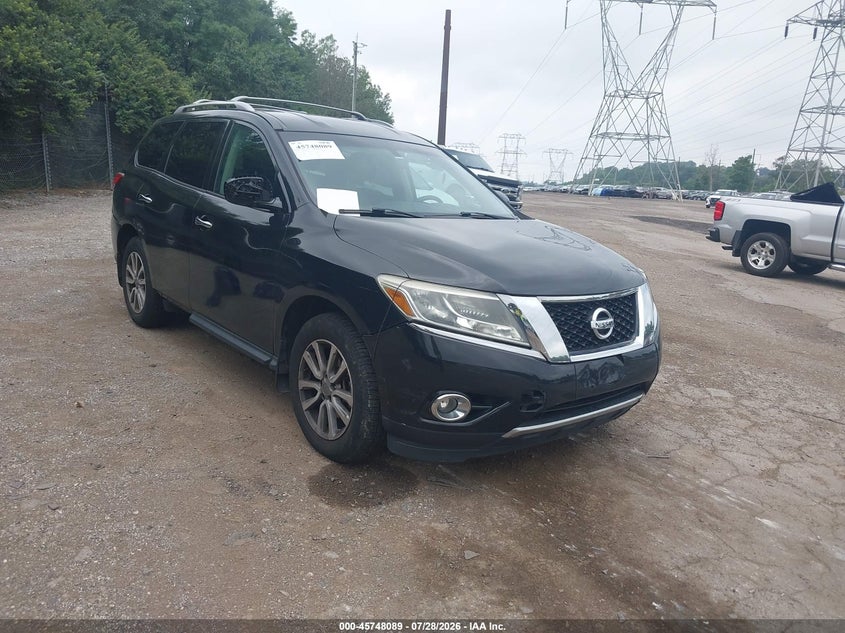 2016 NISSAN PATHFINDER SV
5N1AR2•••••••1928
3.5 gasoline · Automatic
Check history
2016 NISSAN PATHFINDER SV
5N1AR2•••••••1928
3.5 gasoline · Automatic
Check history