2019 HYUNDAI ELANTRA SE VIN 5NPD74LFXKH459918
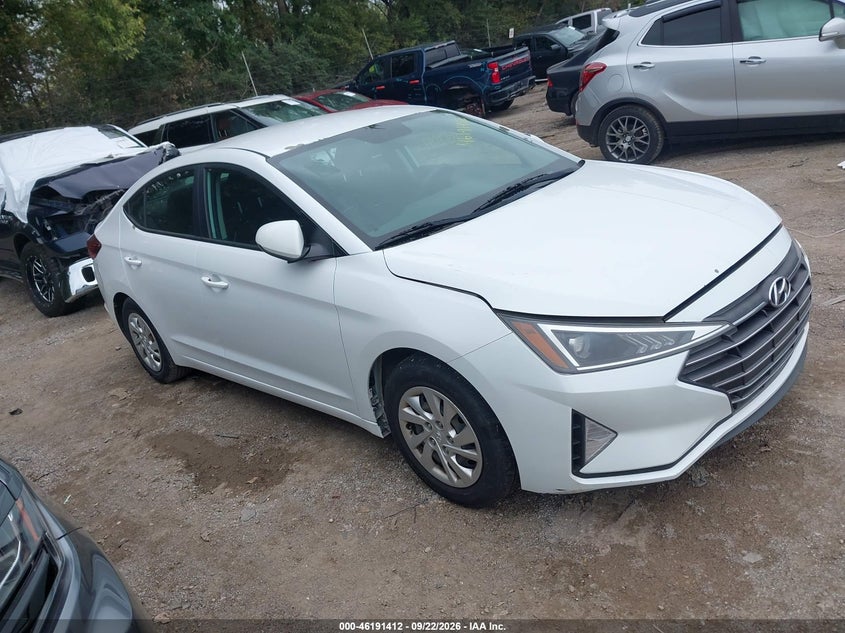
Damage map
If damage records exist for this VIN, the report shows the affected zonesTheft, liens and title
Checks that matter for registration and resaleRecorded condition
What the source noted about the car as it stands- Keys available
- Yes
History timeline
Data decoded from the VIN is shown. Records on file, if any, are in the full report.Mileage
Odometer reading as recorded at the sourceEarlier photos may be in the report
Check before you buy
Four things worth checking on any used carHYUNDAI ELANTRA SE specifications
- VIN
- 5NPD74LFXKH459918
- Make
- HYUNDAI
- Model
- ELANTRA SE
- Year
- 2019
- Colour
- WHITE
- Fuel
- Gasoline
- Engine
- 2.0 L
- Cylinders
- 4
- Power
- 147 hp
- Transmission
- Automatic
- Drive
- FWD
- Recorded odometer
- 160 042 mi
- Recorded damage
- Front End
What buyers ask about the HYUNDAI ELANTRA SE
Was this 2019 HYUNDAI ELANTRA SE damaged before?
The damage in the specifications is what the source noted at the time. Earlier accidents and repairs on file for VIN 5NPD74LFXKH459918, if any, are in the full report.
Can I trust the odometer reading of 160 042 mi?
It is the figure as recorded, not verified. Compare it with the earlier readings in the full report: they can only go up, so a drop points to a wound-back odometer.
In which countries was this car registered?
Registrations abroad seldom reach local registers. If this car was registered in other countries, the full report names them.
Who sells the report, and what does it cost?
An independent partner, selected automatically for each VIN by our system from analytical data. The partner shows the price before you pay; we may earn a commission.
VIN 5NPD74LFXKH459918: history
This Hyundai Elantra SE is a 2019 model. Power comes from a 2.0-litre petrol engine with four cylinders, rated at 147 hp. There is an automatic gearbox, with front-wheel drive. Details for this car come from a single data source and may differ from its documents.
The recorded mileage is 160,042 miles. A clock converted from miles to kilometres should be documented, since the swap can hide the true mileage. The mileage is high for the car’s age, so the suspension, brakes, seats and steering wheel deserve a close look. Turning back an odometer takes little skill and leaves no visible trace, which is why earlier figures matter more than the display.
The record lists front-end damage as the main problem on this car. Whether the damage has been repaired since, and how well, is not something a damage entry can show. Damage rarely stays where it is first seen: an impact can reach the mountings and airbags behind a panel, and water or fire the wiring and electronics.
A key was present. A condition note describes the car at one moment; months of standing or later work on the car can change the picture in either direction.
The car carries a clean title. A clean title is a good sign, though it says nothing about wear, maintenance or how the car was driven.
Every car builds up a history from the day it is first registered: owners come and go, inspections are passed or failed, and repairs are paid for. The paperwork is kept by different bodies – registries, workshops, insurance companies and lenders – so the history of one car is spread across many places. From the outside, a car with a repaired accident and a car without one can look identical.
A cold start, the colour of the exhaust smoke and any oil leaks tell a mechanic a good deal about how an engine has been treated. Many modern petrol engines are turbocharged and direct-injected; where they are, the turbocharger and injectors belong on a specialist’s checklist. The automatic gearbox needs its fluid changed at the manufacturer’s intervals, and invoices should show that it was.
A vehicle identification number has 17 characters: the first three name the manufacturer, the next six describe the model and its specification, and the last eight identify the individual car. The record gives the VIN as 5NPD74LFXKH459918. A VIN that differs between the documents and the car, or shows signs of tampering, is reason enough to walk away.
Where entries exist, a VIN check can show changes of owner, past mileage readings, reported damage and whether the car is listed as stolen. No report is complete: a repair done privately and never claimed on insurance leaves nothing to find. A professional inspection makes sense whatever the paperwork shows, because no report measures corrosion, worn bushes or a poor repair. For this 2019 Hyundai Elantra SE, the sensible next step is a history check on VIN 5NPD74LFXKH459918.
Similar HYUNDAI ELANTRA SE cars
All HYUNDAI cars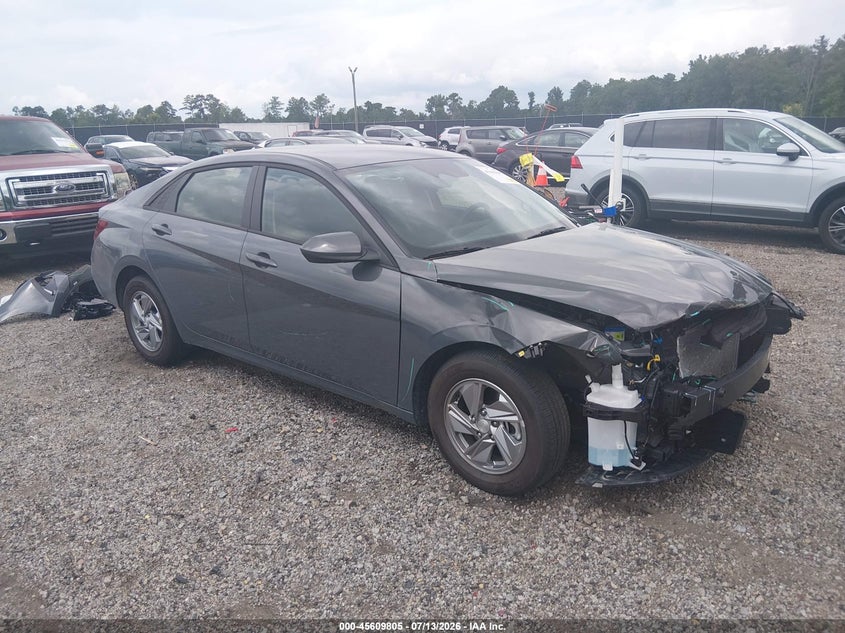 2026 HYUNDAI ELANTRA SE
KMHLL4•••••••9340
2.0 gasoline · Automatic
Check history
2026 HYUNDAI ELANTRA SE
KMHLL4•••••••9340
2.0 gasoline · Automatic
Check history
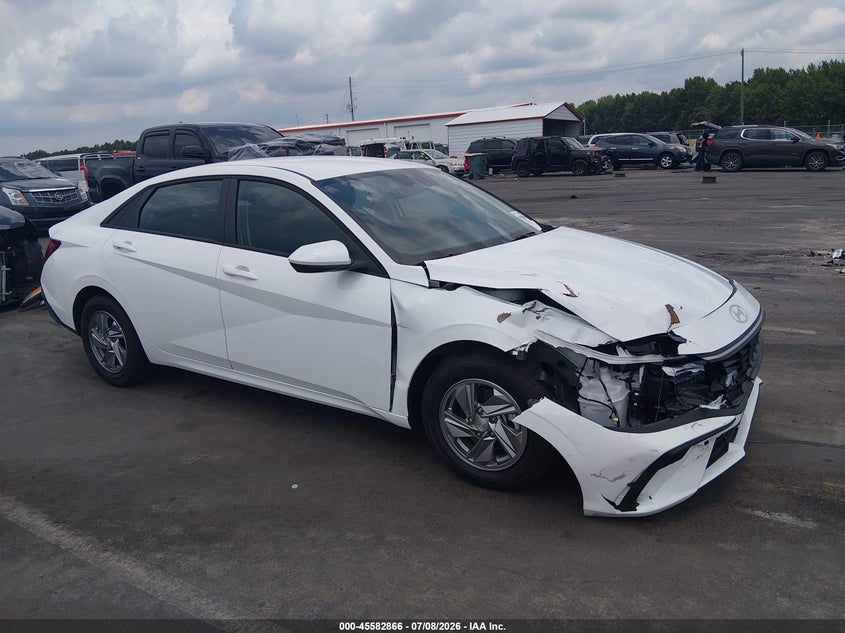 2026 HYUNDAI ELANTRA SE
KMHLL4•••••••4367
2.0 gasoline · Automatic
Check history
2026 HYUNDAI ELANTRA SE
KMHLL4•••••••4367
2.0 gasoline · Automatic
Check history
 2017 HYUNDAI ELANTRA SE
KMHD74•••••••1078
2.0 gasoline · Automatic
Check history
2017 HYUNDAI ELANTRA SE
KMHD74•••••••1078
2.0 gasoline · Automatic
Check history
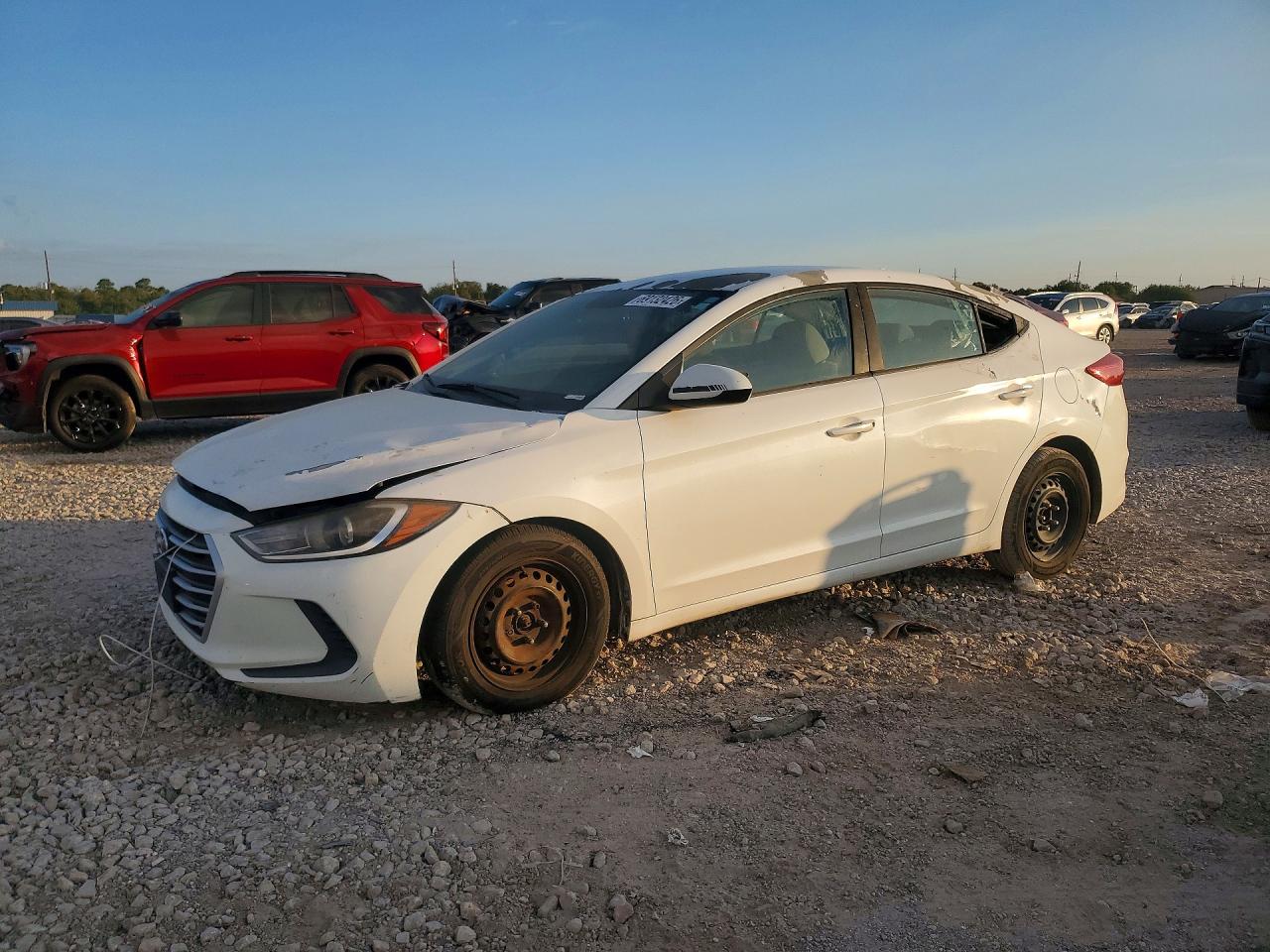 2017 HYUNDAI ELANTRA SE
5NPD74•••••••8680
2.0 gasoline · Automatic
Check history
2017 HYUNDAI ELANTRA SE
5NPD74•••••••8680
2.0 gasoline · Automatic
Check history