2017 TOYOTA HIGHLANDER LE PLUS VIN 5TDZZRFH4HS213640
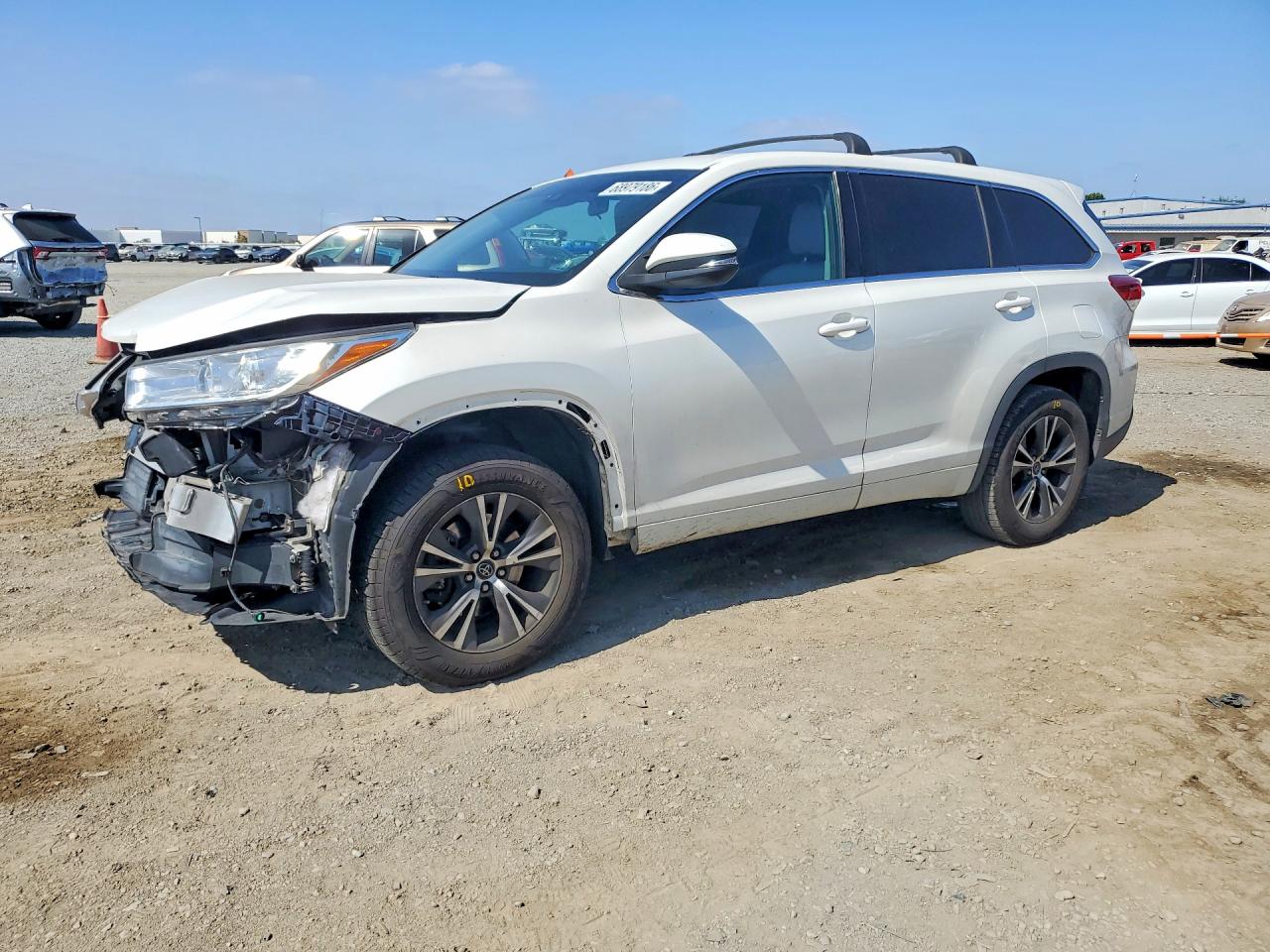
Damage map
If damage records exist for this VIN, the report shows the affected zonesTheft, liens and title
Checks that matter for registration and resaleRecorded condition
What the source noted about the car as it stands- Runs and drives
- Yes
- Engine starts
- Yes
- Keys available
- Yes
- Start code
- Run & Drive
History timeline
Data decoded from the VIN is shown. Records on file, if any, are in the full report.Mileage
Odometer reading as recorded at the sourceEarlier photos may be in the report
Check before you buy
Four things worth checking on any used carTOYOTA HIGHLANDER LE PLUS specifications
- VIN
- 5TDZZRFH4HS213640
- Make
- TOYOTA
- Model
- HIGHLANDER LE PLUS
- Year
- 2017
- Colour
- WHITE
- Fuel
- Gasoline
- Engine
- 3.5 L
- Cylinders
- 6
- Power
- 295 hp
- Transmission
- Automatic
- Drive
- FWD
- Recorded odometer
- 140 082 mi
- Recorded damage
- Front End
What buyers ask about the TOYOTA HIGHLANDER LE PLUS
Was this 2017 TOYOTA HIGHLANDER LE PLUS damaged before?
The damage in the specifications is what the source noted at the time. Earlier accidents and repairs on file for VIN 5TDZZRFH4HS213640, if any, are in the full report.
Can I trust the odometer reading of 140 082 mi?
It is the figure as recorded, not verified. Compare it with the earlier readings in the full report: they can only go up, so a drop points to a wound-back odometer.
In which countries was this car registered?
Registrations abroad seldom reach local registers. If this car was registered in other countries, the full report names them.
Who sells the report, and what does it cost?
An independent partner, selected automatically for each VIN by our system from analytical data. The partner shows the price before you pay; we may earn a commission.
VIN 5TDZZRFH4HS213640: history
This entry is for a 2017 Toyota Highlander LE Plus, finished in white. Power reaches the wheels through an automatic gearbox. Power comes from a 3.5-litre petrol engine with six cylinders. Every figure for this car is given as it appears in the source data.
The car was recorded with 140,082 miles on the clock. Miles and kilometres are easy to confuse, and a distance in miles looks lower than the same distance in kilometres. Averaged over the car’s age, the mileage works out well above the usual annual distance, and wear on the suspension, brakes and interior should be judged with that in mind. Turning back an odometer takes little skill and leaves no visible trace, which is why earlier figures matter more than the display. Older figures usually turn up on service invoices, inspection reports and past title paperwork.
Primary damage in the record: front end. A damage entry is a starting point for the inspection, telling the mechanic where to look first. Some damage shows its consequences only later: corroded connectors and electrical faults can surface months afterwards.
At the time of recording, the car ran and drove. A key was present. Months of standing can leave a car with seized brakes and perished tyres.
Title status in the record: salvage. A title like this is issued when repair was judged uneconomical or unsafe. Once issued, a branded title stays with the VIN for good, and it affects registration and insurance for every later owner.
A car’s history answers three questions: who kept it, how it was looked after and what went wrong along the way. No single office holds the whole story of a car: registries, workshops, insurance companies and lenders each keep their own part. A car’s past rarely shows on the paintwork: a well-repaired accident or water damage that was dried out is easy to miss.
A cold start, the colour of the exhaust smoke and any oil leaks tell a mechanic a good deal about how an engine has been treated. A petrol engine in good order starts cleanly, idles evenly and pulls without hesitation. The automatic gearbox needs its fluid changed at the manufacturer’s intervals, and invoices should show that it was.
A VIN never contains the letters I, O or Q, which could be mistaken for digits; its 17 characters identify the maker, the model and the individual car. The VIN of this Toyota Highlander LE Plus is 5TDZZRFH4HS213640. A VIN that differs between the documents and the car, or shows signs of tampering, is reason enough to walk away.
Depending on what is on file, a VIN report may include past registrations, mileage readings, damage entries, branded titles and theft checks. A repair paid for in cash at a small workshop leaves no trace in any database, so no report can list it. A VIN check and a physical inspection answer different questions: the first says what happened to the car, the second what condition it is in now. Look up the history of VIN 5TDZZRFH4HS213640 first, and let what it shows guide the inspection.
Similar TOYOTA HIGHLANDER LE PLUS cars
All TOYOTA cars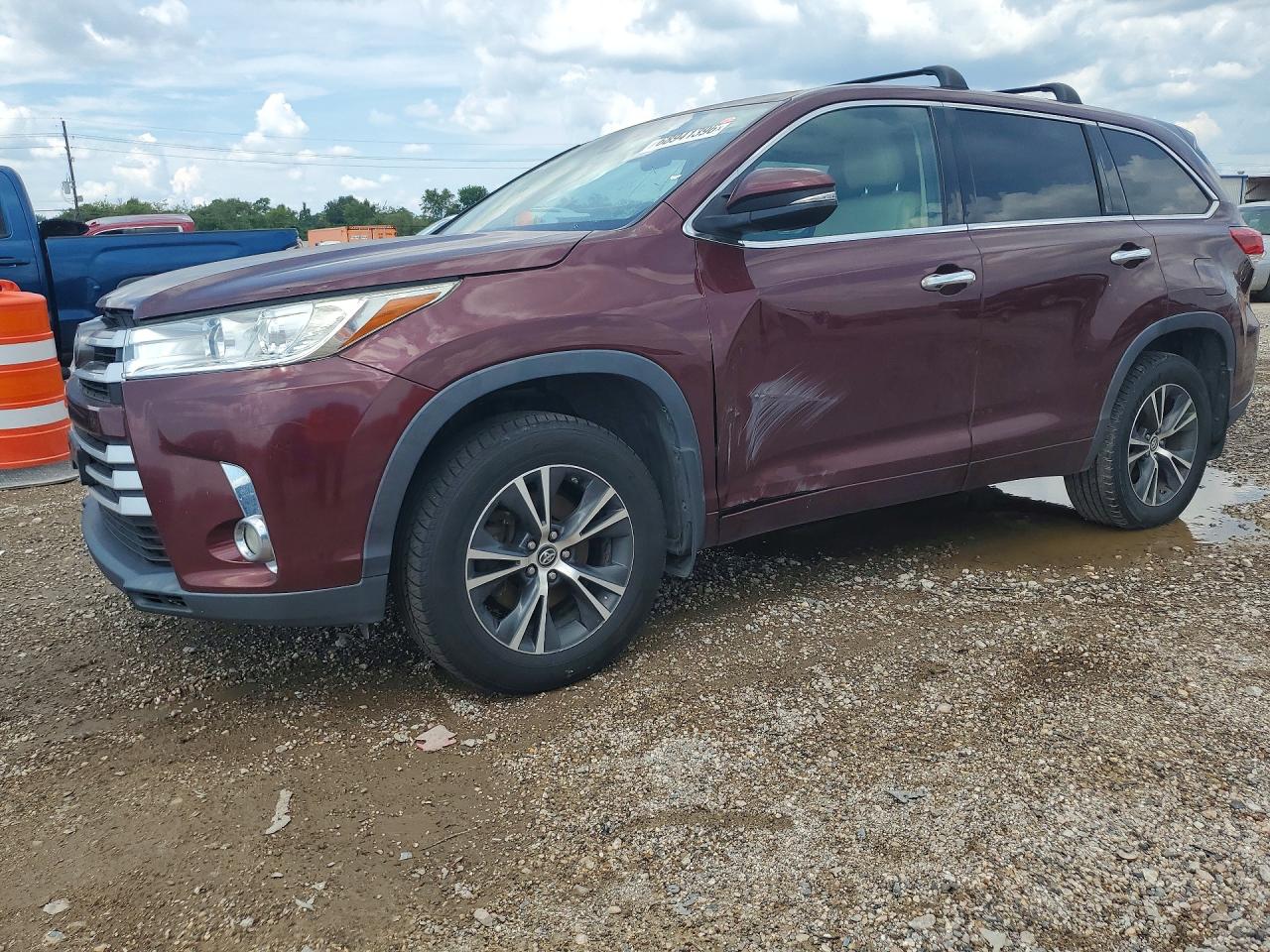 2017 TOYOTA HIGHLANDER LE PLUS
5TDBZR•••••••6201
3.5 gasoline · Automatic
Check history
2017 TOYOTA HIGHLANDER LE PLUS
5TDBZR•••••••6201
3.5 gasoline · Automatic
Check history
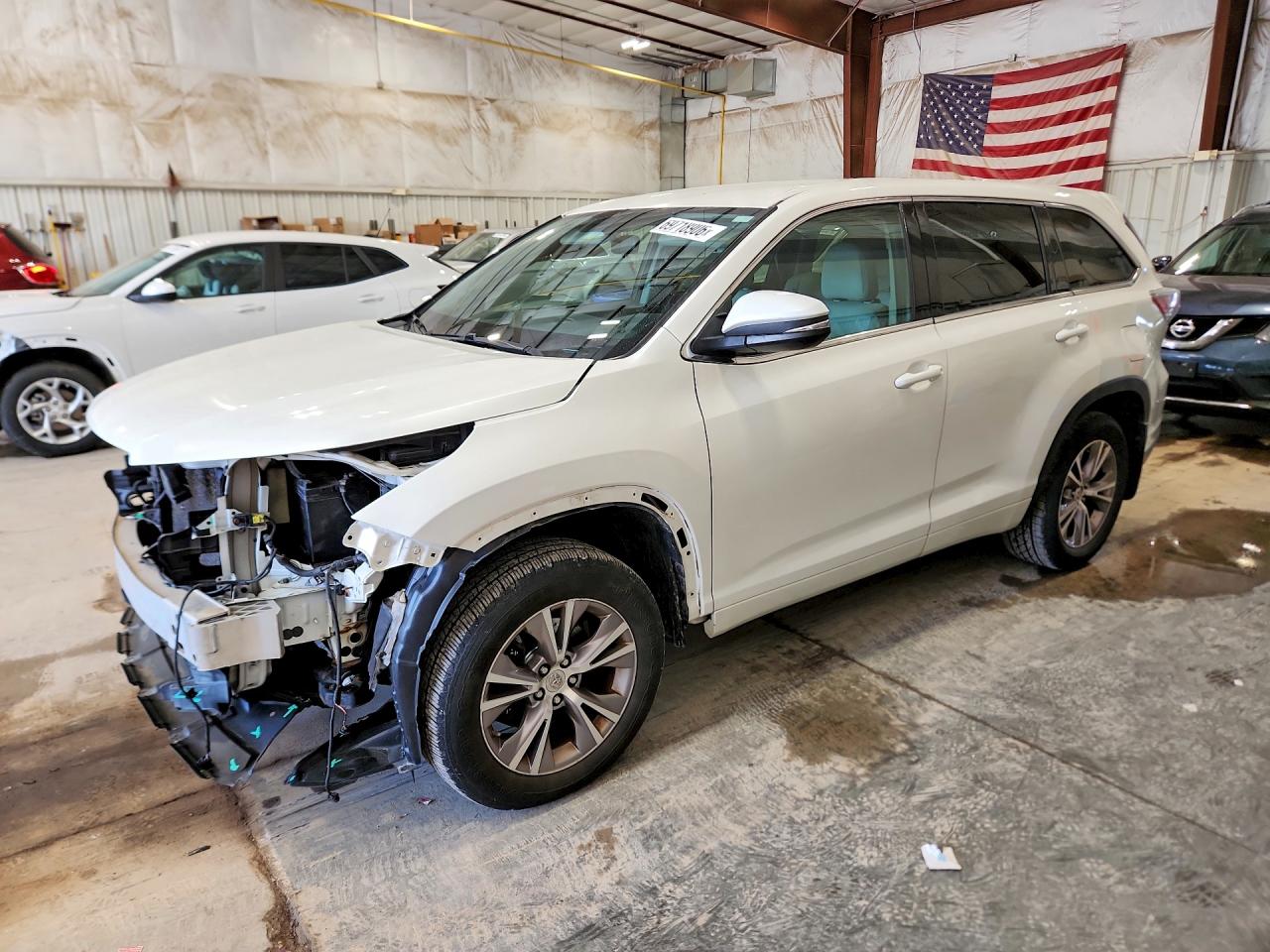 2015 TOYOTA HIGHLANDER LE PLUS
5TDBKR•••••••6168
3.5 gasoline · Automatic
Check history
2015 TOYOTA HIGHLANDER LE PLUS
5TDBKR•••••••6168
3.5 gasoline · Automatic
Check history
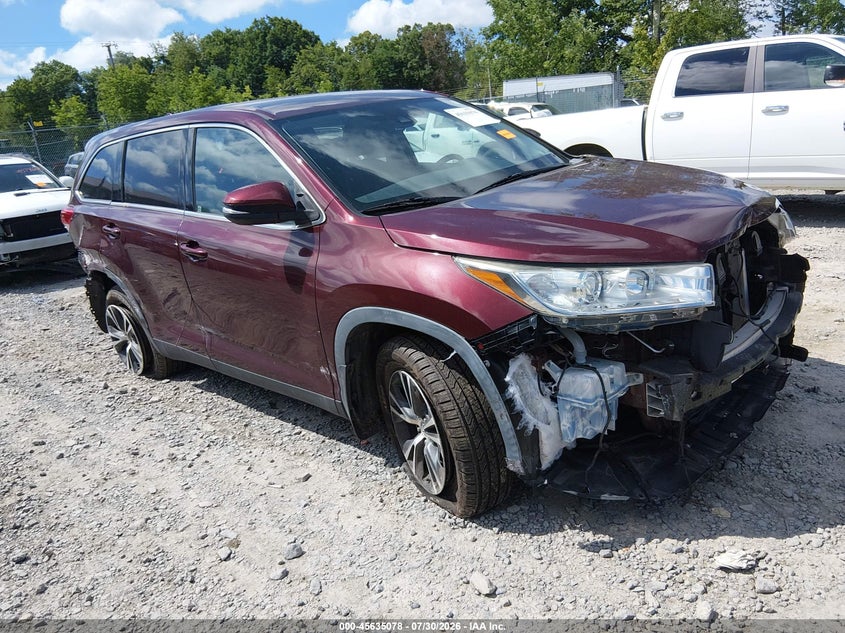 2019 TOYOTA HIGHLANDER LE PLUS
5TDBZR•••••••8105
3.5 gasoline · Automatic
Check history
2019 TOYOTA HIGHLANDER LE PLUS
5TDBZR•••••••8105
3.5 gasoline · Automatic
Check history
 2018 TOYOTA HIGHLANDER LE PLUS
5TDBZR•••••••5245
3.5 gasoline · Automatic
Check history
2018 TOYOTA HIGHLANDER LE PLUS
5TDBZR•••••••5245
3.5 gasoline · Automatic
Check history