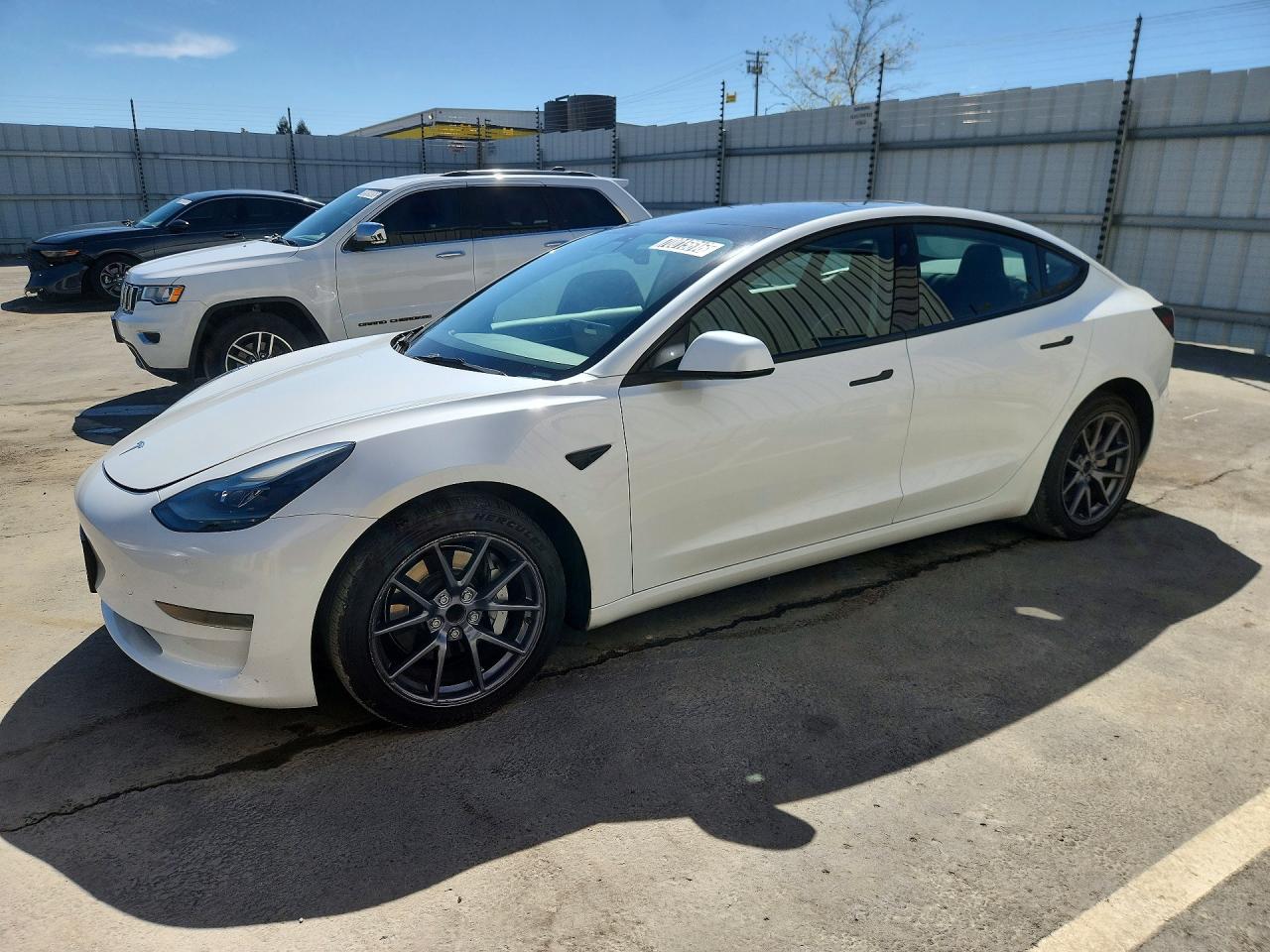
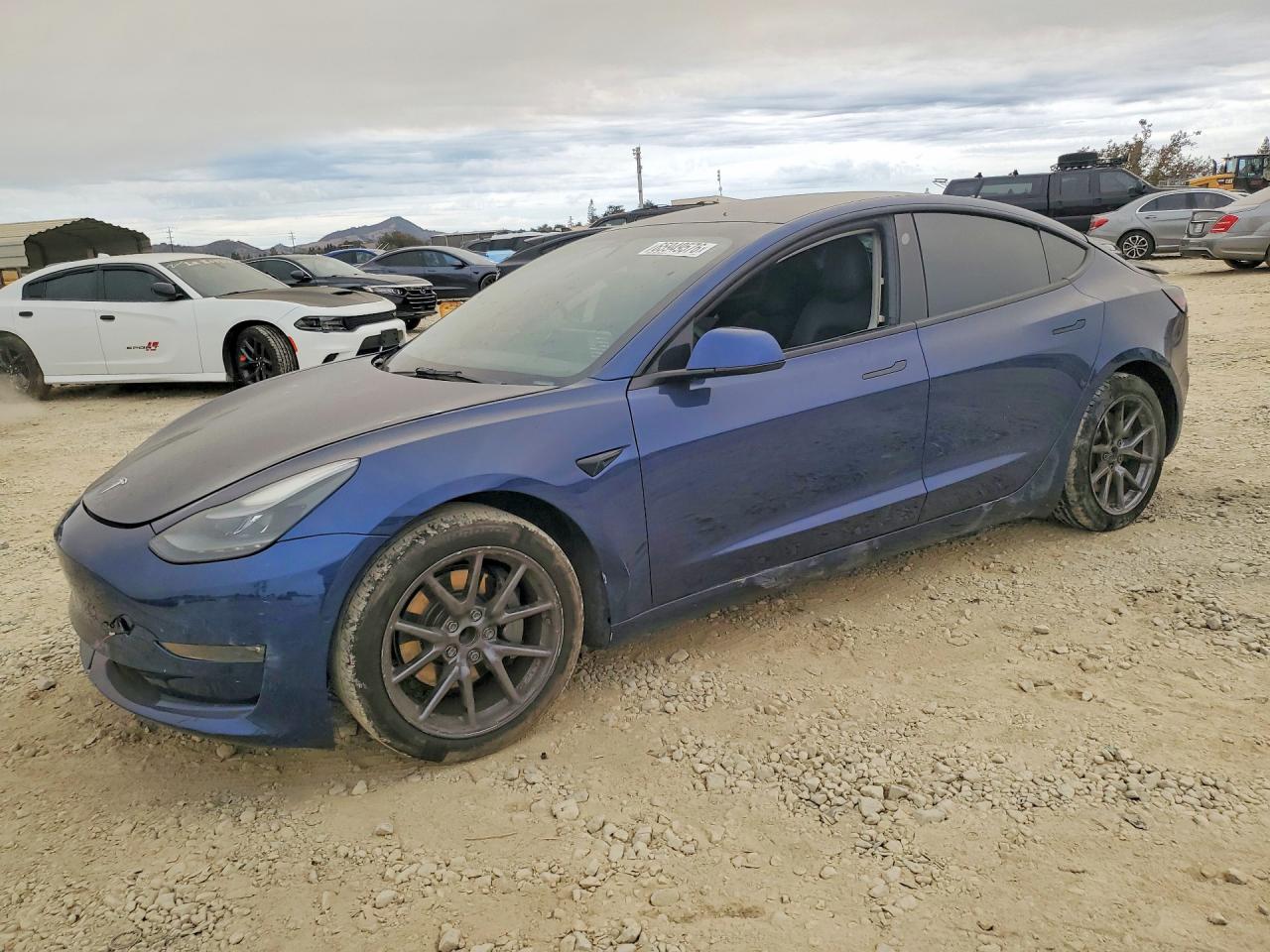
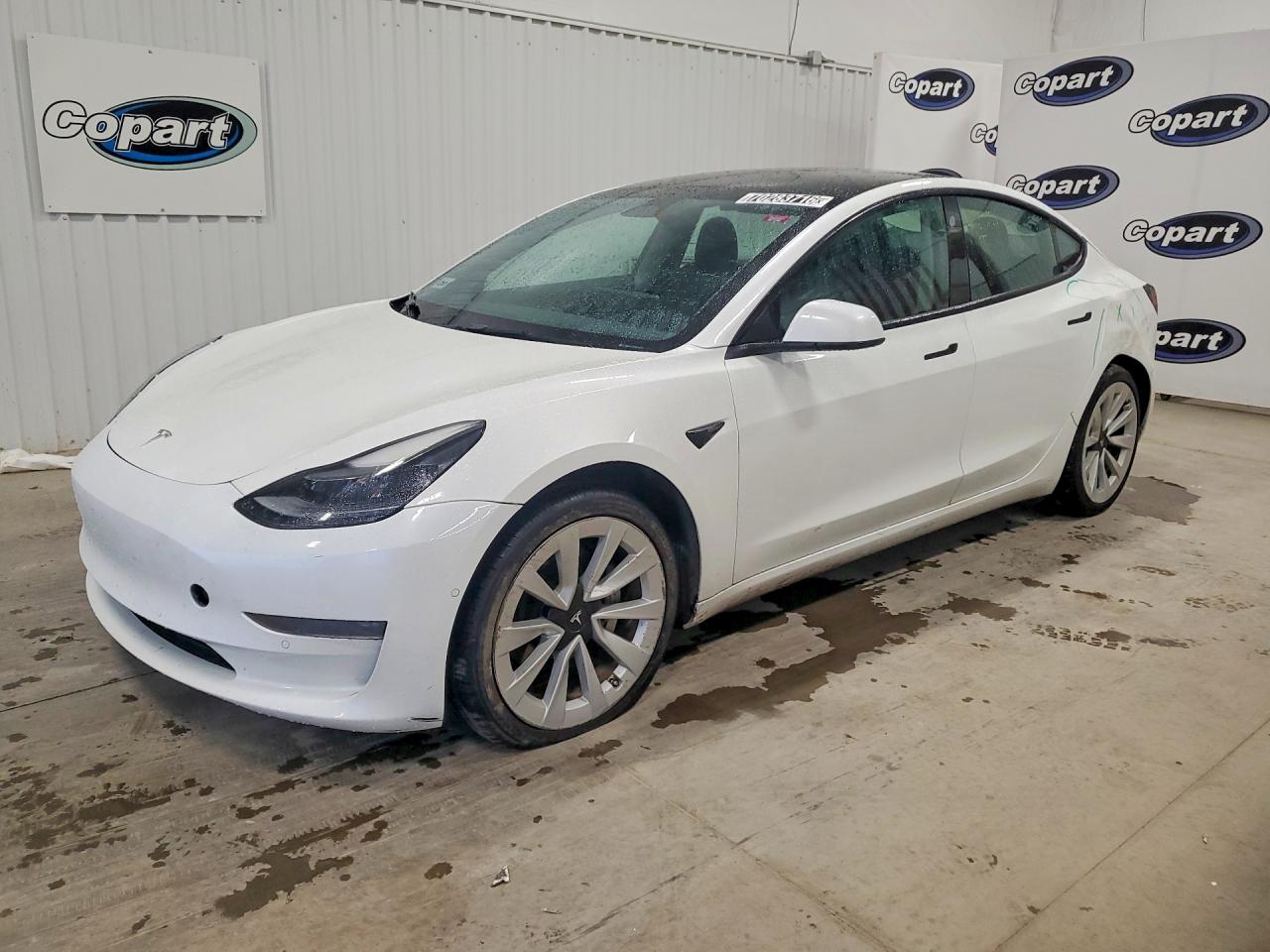
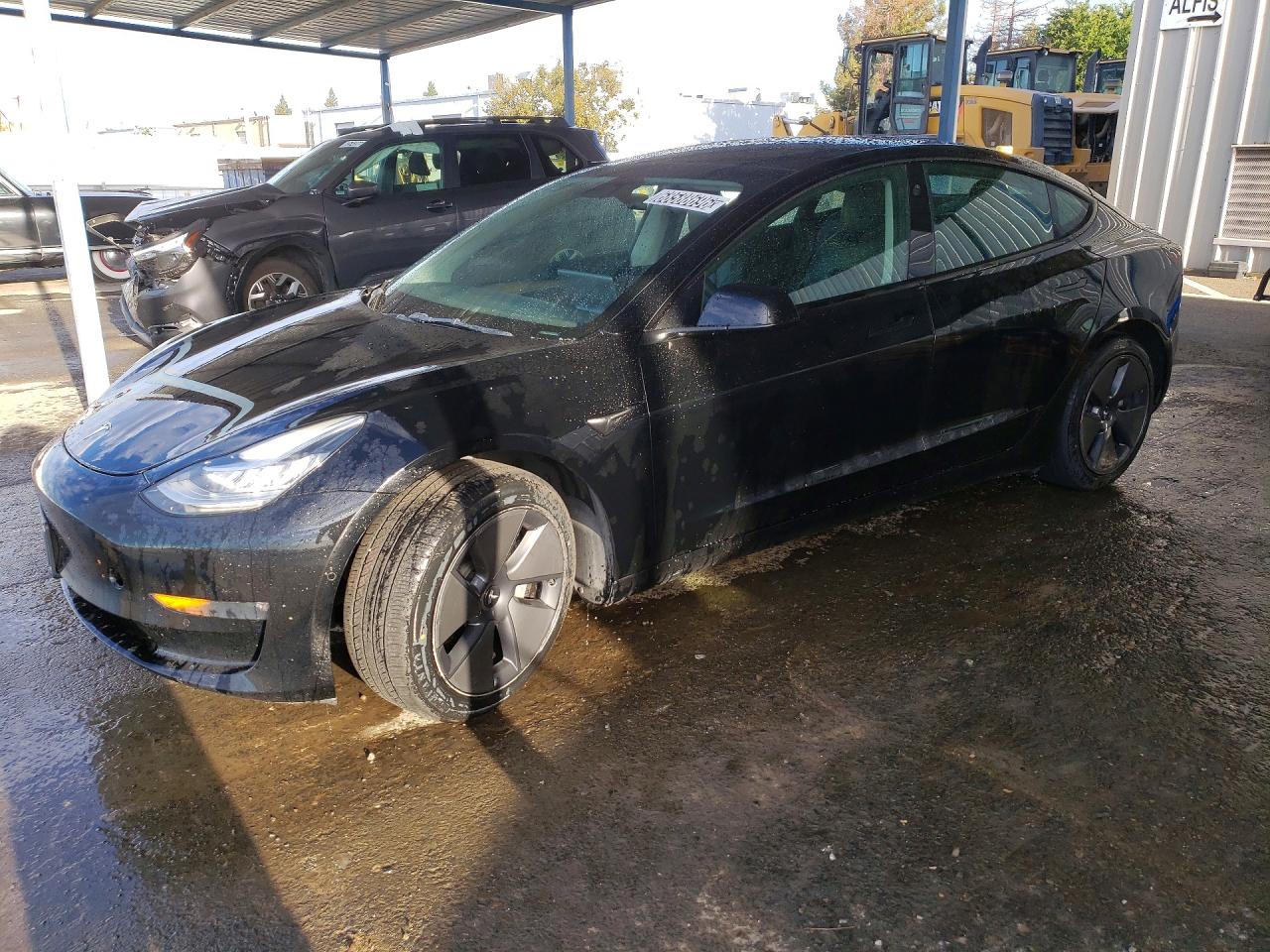
2024 TESLA MODEL 3 VIN 5YJ3E1EA1RF749989
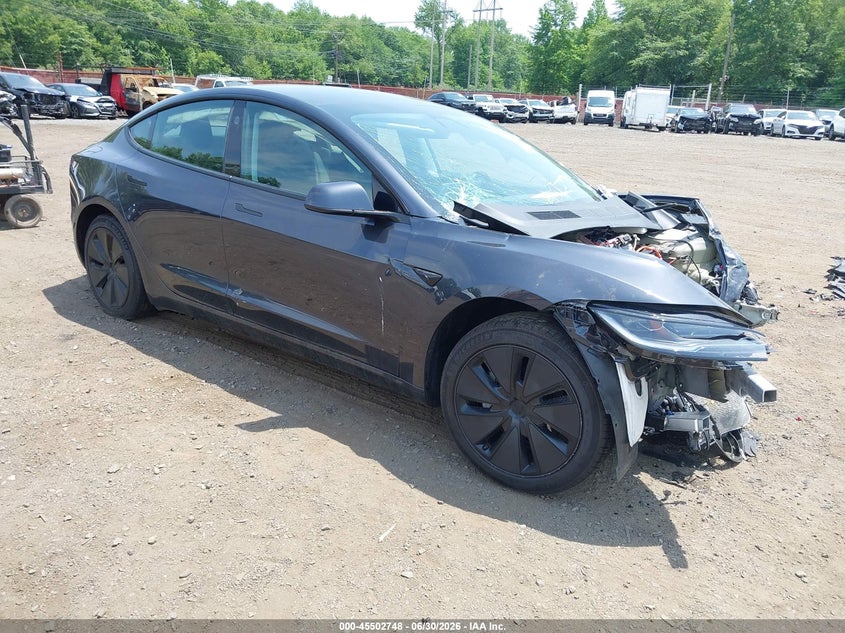
Damage map
If damage records exist for this VIN, the report shows the affected zonesTheft, liens and title
Checks that matter for registration and resaleRecorded condition
What the source noted about the car as it stands- Runs and drives
- Yes
- Engine starts
- Yes
- Keys available
- Yes
- Start code
- Run & Drive
History timeline
Data decoded from the VIN is shown. Records on file, if any, are in the full report.Mileage
Odometer reading as recorded at the sourceEarlier photos may be in the report
Check before you buy
Four things worth checking on any used carTESLA MODEL 3 specifications
- VIN
- 5YJ3E1EA1RF749989
- Make
- TESLA
- Model
- MODEL 3
- Year
- 2024
- Colour
- GRAY
- Fuel
- Electric
- Transmission
- Automatic
- Drive
- RWD
- Recorded odometer
- 20 562 mi
- Recorded damage
- Front End
What buyers ask about the TESLA MODEL 3
Was this 2024 TESLA MODEL 3 damaged before?
The damage in the specifications is what the source noted at the time. Earlier accidents and repairs on file for VIN 5YJ3E1EA1RF749989, if any, are in the full report.
Can I trust the odometer reading of 20 562 mi?
It is the figure as recorded, not verified. Compare it with the earlier readings in the full report: they can only go up, so a drop points to a wound-back odometer.
In which countries was this car registered?
Registrations abroad seldom reach local registers. If this car was registered in other countries, the full report names them.
Who sells the report, and what does it cost?
An independent partner, selected automatically for each VIN by our system from analytical data. The partner shows the price before you pay; we may earn a commission.
VIN 5YJ3E1EA1RF749989: history
The Tesla Model 3 described here left the factory in 2024. The car has rear-wheel drive. The drivetrain is fully electric. Every figure for this car is given as it appears in the source data.
The clock stood at 20,562 miles when the data was entered. A later figure lower than an earlier one points to a replaced instrument cluster or an odometer that has been wound back.
The record lists front-end damage as the main problem on this car. Whether the damage has been repaired since, and how well, is not something a damage entry can show. A lift and a diagnostic check show what photos cannot: bent brackets behind a panel, chafed wiring or deployed airbags.
When checked, the car could be started and driven under its own power. A key was present.
A salvage title is on file for this car. A title like this is issued when repair was judged uneconomical or unsafe.
Registrations, changes of owner, inspection results and accident claims together make up what is called a car’s history. Pieces of a car’s history sit with registries, dealers, workshops and insurance companies, and none of them sees the whole picture. What a car has been through is seldom visible at first glance, and a respray can make even a badly damaged car look sound.
Range shrinks as a battery ages; a health report from a dealer or independent specialist shows how much of the original capacity remains. Software updates and any battery or motor work carried out under warranty should appear in the car’s service history.
Every modern car carries a 17-character VIN, and no two cars share one. The record gives the VIN as 5YJ3E1EA1RF749989. A VIN that differs between the documents and the car, or shows signs of tampering, is reason enough to walk away.
Where entries exist, a VIN check can show changes of owner, past mileage readings, reported damage and whether the car is listed as stolen. Paperwork is only as complete as the people who kept it, so a report with few entries lowers the risk without removing it. A professional inspection makes sense whatever the paperwork shows, because no report measures corrosion, worn bushes or a poor repair. Before going any further with this Tesla Model 3, it makes sense to look up VIN 5YJ3E1EA1RF749989.