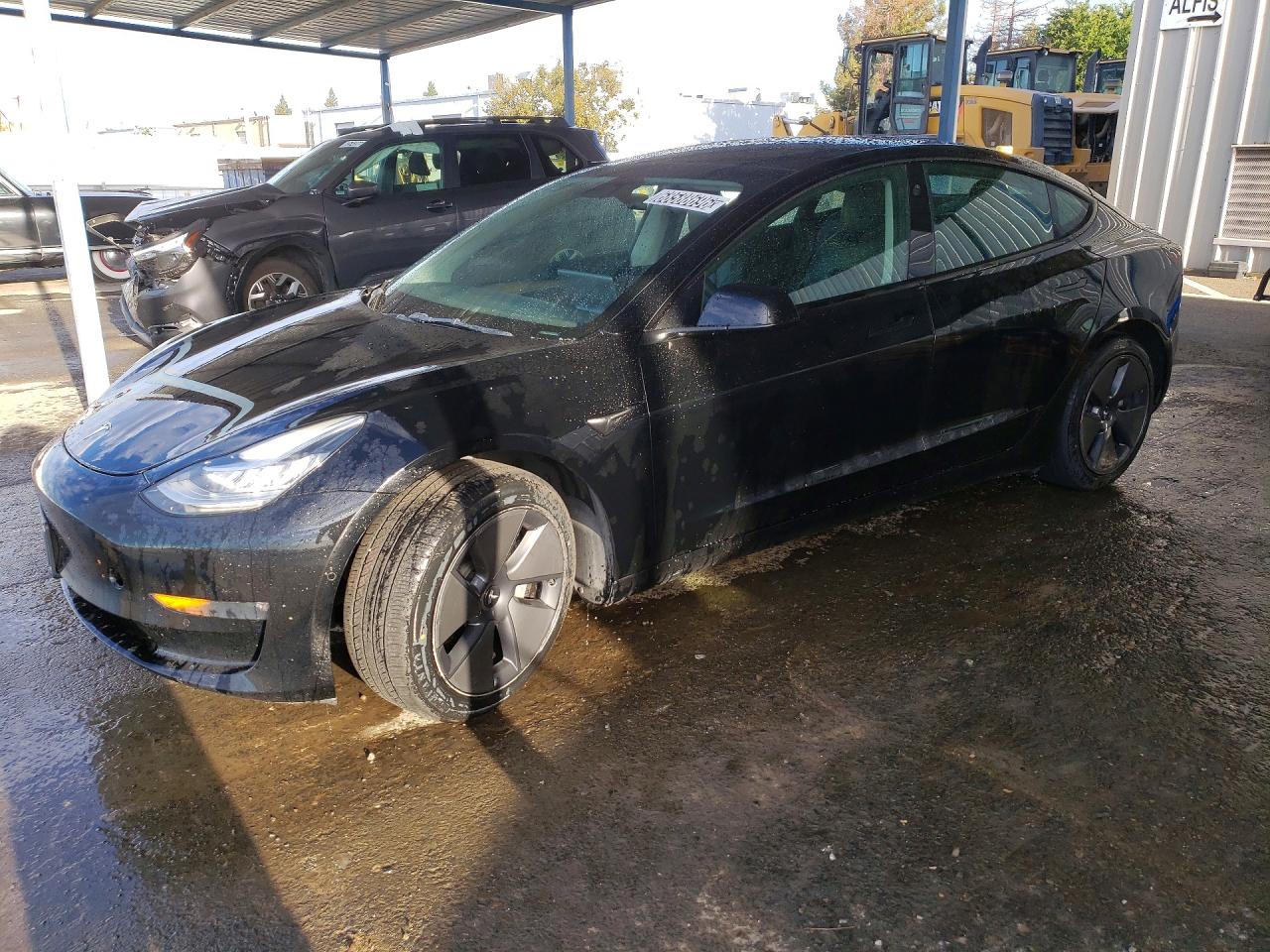
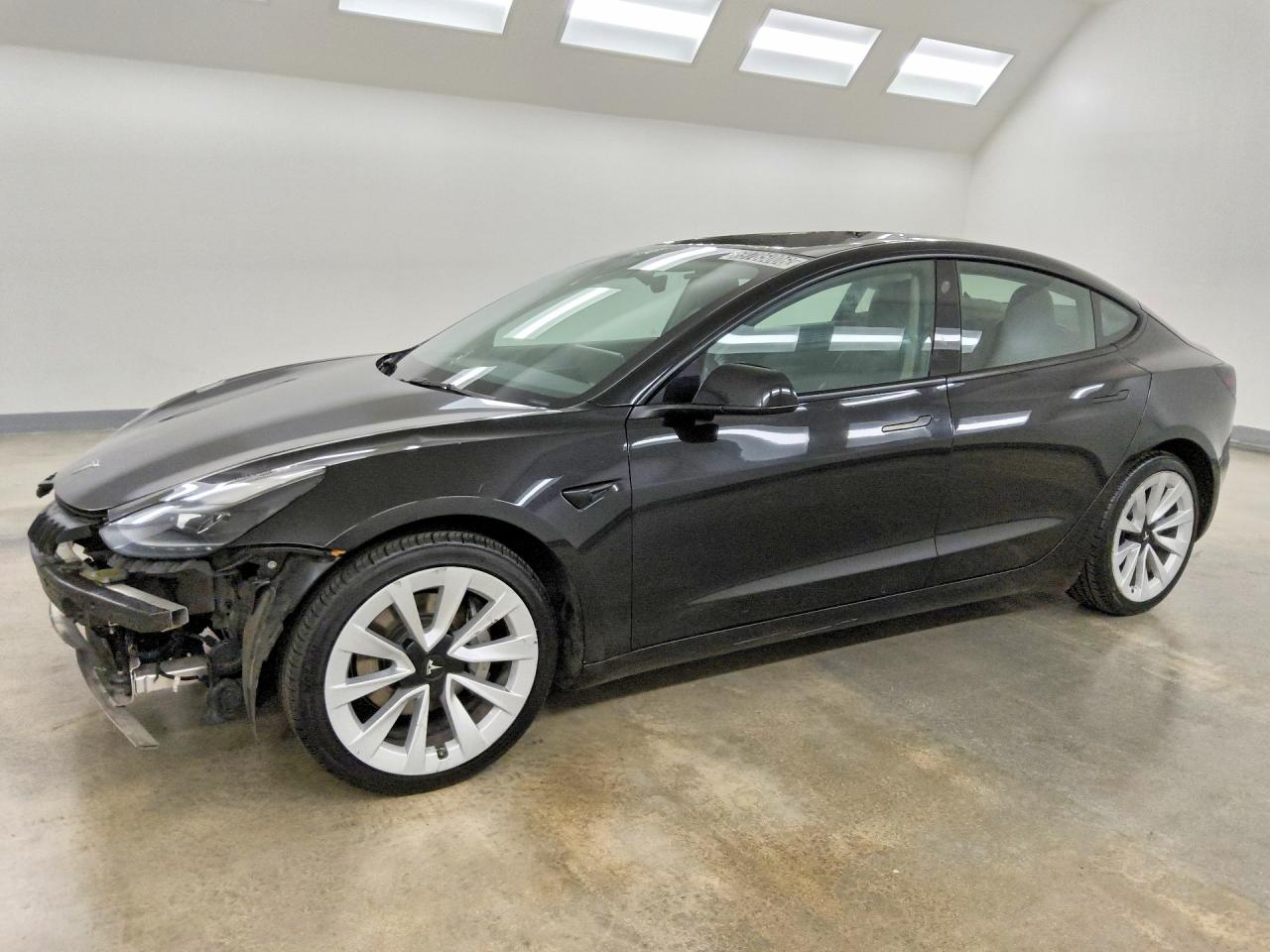
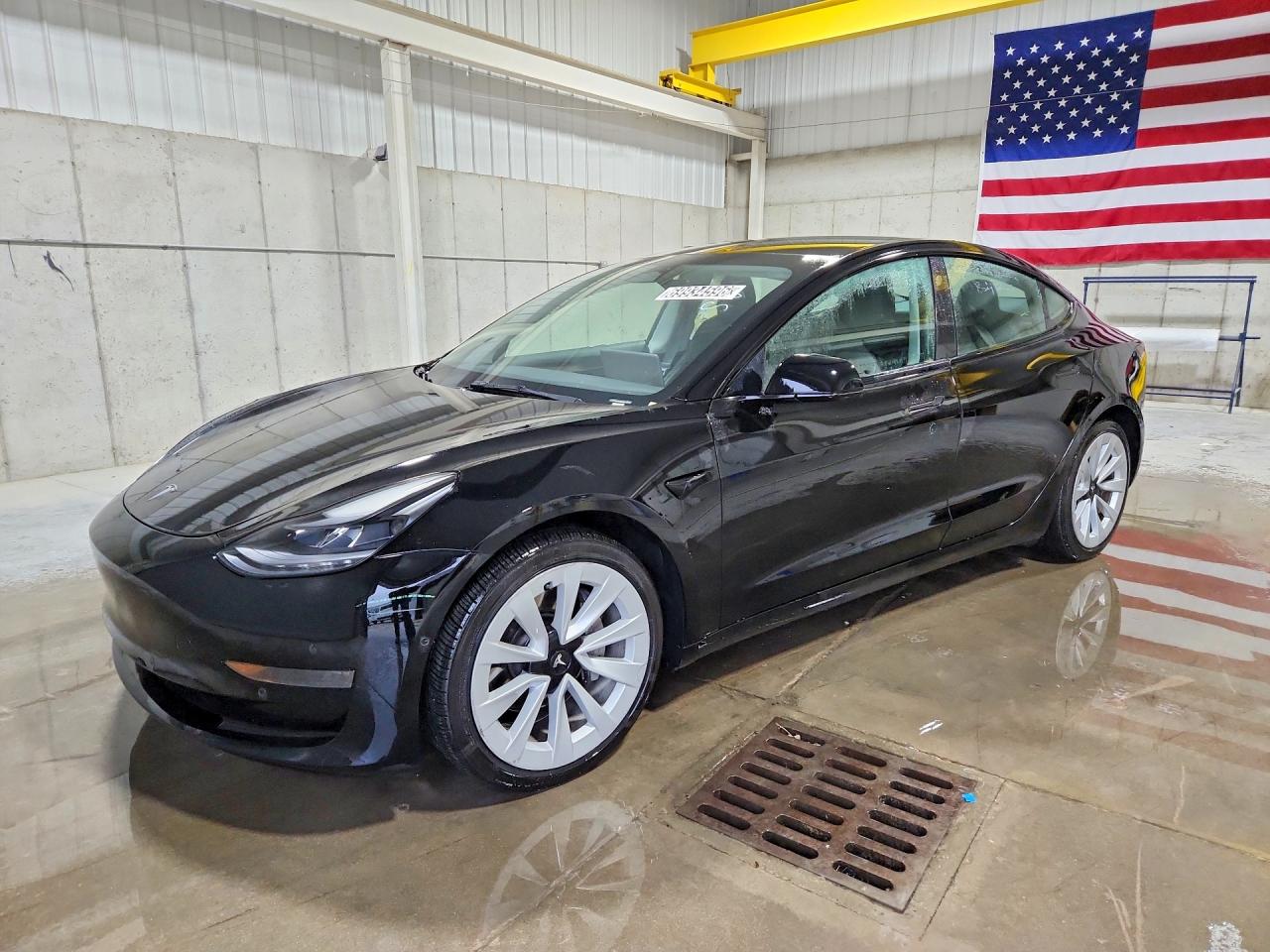
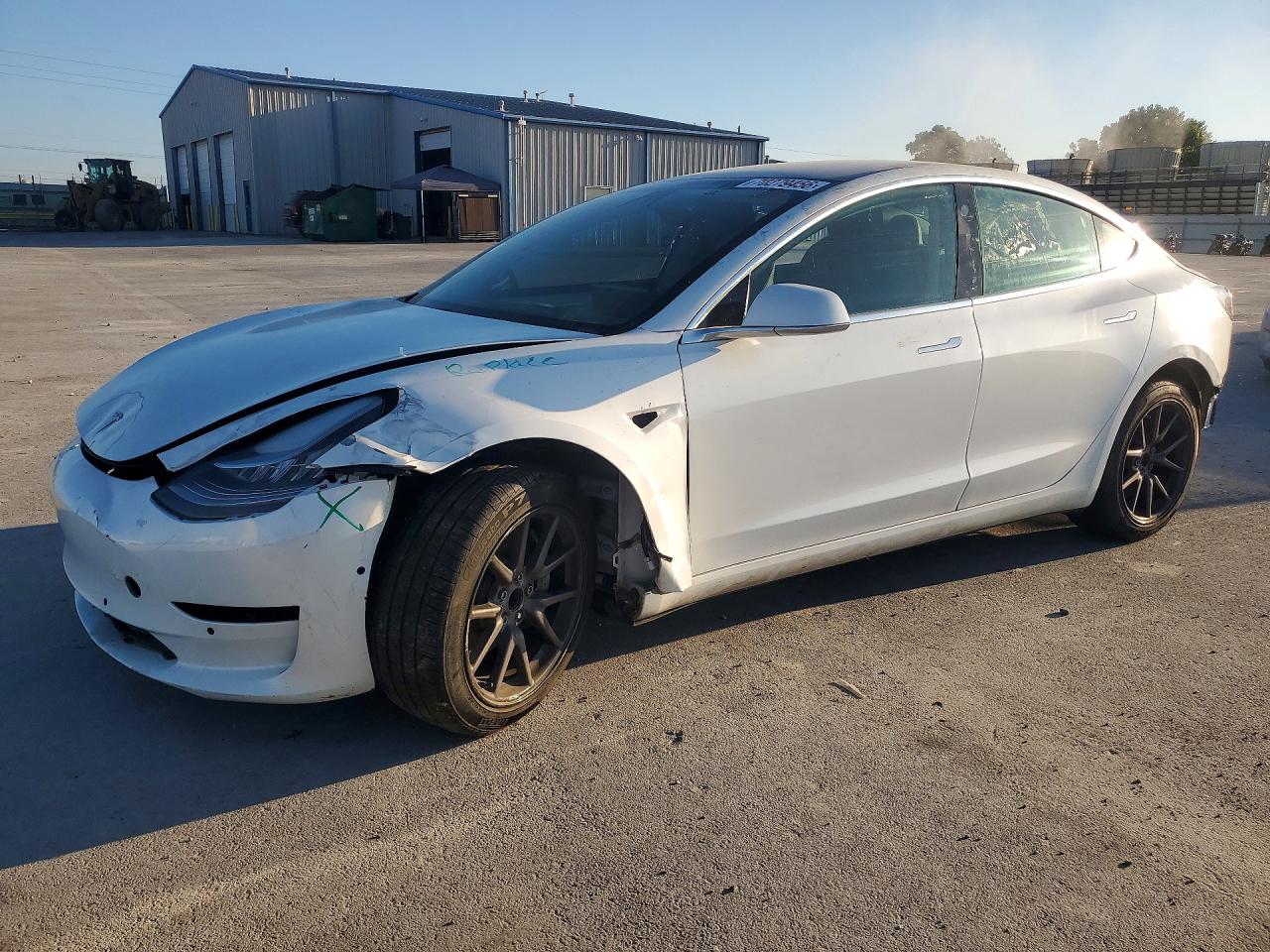
2025 TESLA MODEL 3 VIN 5YJ3E1EA7SF011491
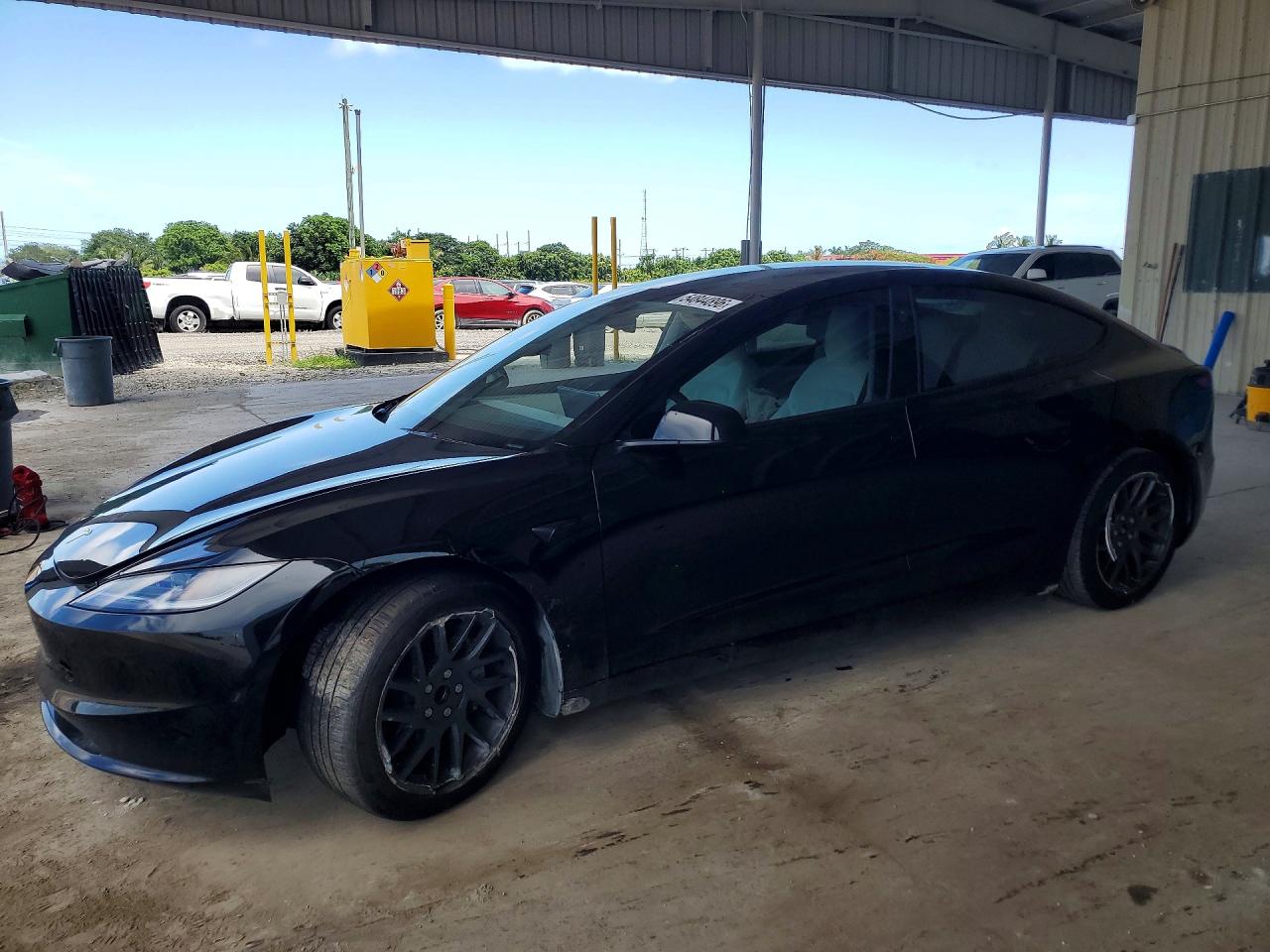
Damage map
If damage records exist for this VIN, the report shows the affected zonesTheft, liens and title
Checks that matter for registration and resaleRecorded condition
What the source noted about the car as it stands- Runs and drives
- No
- Engine starts
- Yes
- Keys available
- Yes
- Start code
- Starts
History timeline
Data decoded from the VIN is shown. Records on file, if any, are in the full report.Mileage
Odometer reading as recorded at the sourceEarlier photos may be in the report
Check before you buy
Four things worth checking on any used carTESLA MODEL 3 specifications
- VIN
- 5YJ3E1EA7SF011491
- Make
- TESLA
- Model
- MODEL 3
- Year
- 2025
- Colour
- BLACK
- Fuel
- Electric
- Transmission
- Automatic
- Drive
- RWD
- Recorded odometer
- 12 291 mi
- Recorded damage
- Front End
What buyers ask about the TESLA MODEL 3
Was this 2025 TESLA MODEL 3 damaged before?
The damage in the specifications is what the source noted at the time. Earlier accidents and repairs on file for VIN 5YJ3E1EA7SF011491, if any, are in the full report.
Can I trust the odometer reading of 12 291 mi?
It is the figure as recorded, not verified. Compare it with the earlier readings in the full report: they can only go up, so a drop points to a wound-back odometer.
In which countries was this car registered?
Registrations abroad seldom reach local registers. If this car was registered in other countries, the full report names them.
Who sells the report, and what does it cost?
An independent partner, selected automatically for each VIN by our system from analytical data. The partner shows the price before you pay; we may earn a commission.
VIN 5YJ3E1EA7SF011491: history
This Tesla Model 3 is a 2025 model, finished in black. Power comes from electricity alone. In place of a gearbox there is a single-speed reduction gear, and the car has rear-wheel drive.
The car was recorded with 12,291 miles on the clock. Miles and kilometres are easy to confuse, and a distance in miles looks lower than the same distance in kilometres. A single figure proves little: what makes a mileage believable is a series of readings that rise steadily over the years. A service book or a folder of workshop invoices is the simplest place to find past readings.
Primary damage in the record: front end. Two cars with the same damage label can be very different: one needs a few new parts, the other major work. With front-end damage on file, the inspection should start with the radiator support, the headlamp mountings and the front crash structure.
A note in the source data says the car did not run. A key is on file for the car. Running condition describes a single moment, and standing or work done since can change it.
Every car builds up a history from the day it is first registered: owners come and go, inspections are passed or failed, and repairs are paid for. The paperwork is kept by different bodies – registries, workshops, insurance companies and lenders – so the history of one car is spread across many places. What a car has been through is seldom visible at first glance, and a respray can make even a badly damaged car look sound.
The battery is the most expensive part of an electric car, so the share of its original capacity still available should be measured. Software updates and any battery or motor work carried out under warranty should appear in the car’s service history.
Every modern car carries a 17-character VIN, its identity for life, and no two cars share one. The record gives the VIN as 5YJ3E1EA7SF011491.
A VIN report shows what has been logged: earlier registrations, odometer figures, damage entries, branded titles and theft checks, wherever such data exists. The absence of an entry is not proof that nothing happened; it may only mean that nobody wrote it down. A professional inspection makes sense whatever the paperwork shows, because no report measures corrosion, worn bushes or a poor repair. Before going any further with this Tesla Model 3, it makes sense to look up VIN 5YJ3E1EA7SF011491.