2018 TESLA MODEL 3 VIN 5YJ3E1EB4JF093431
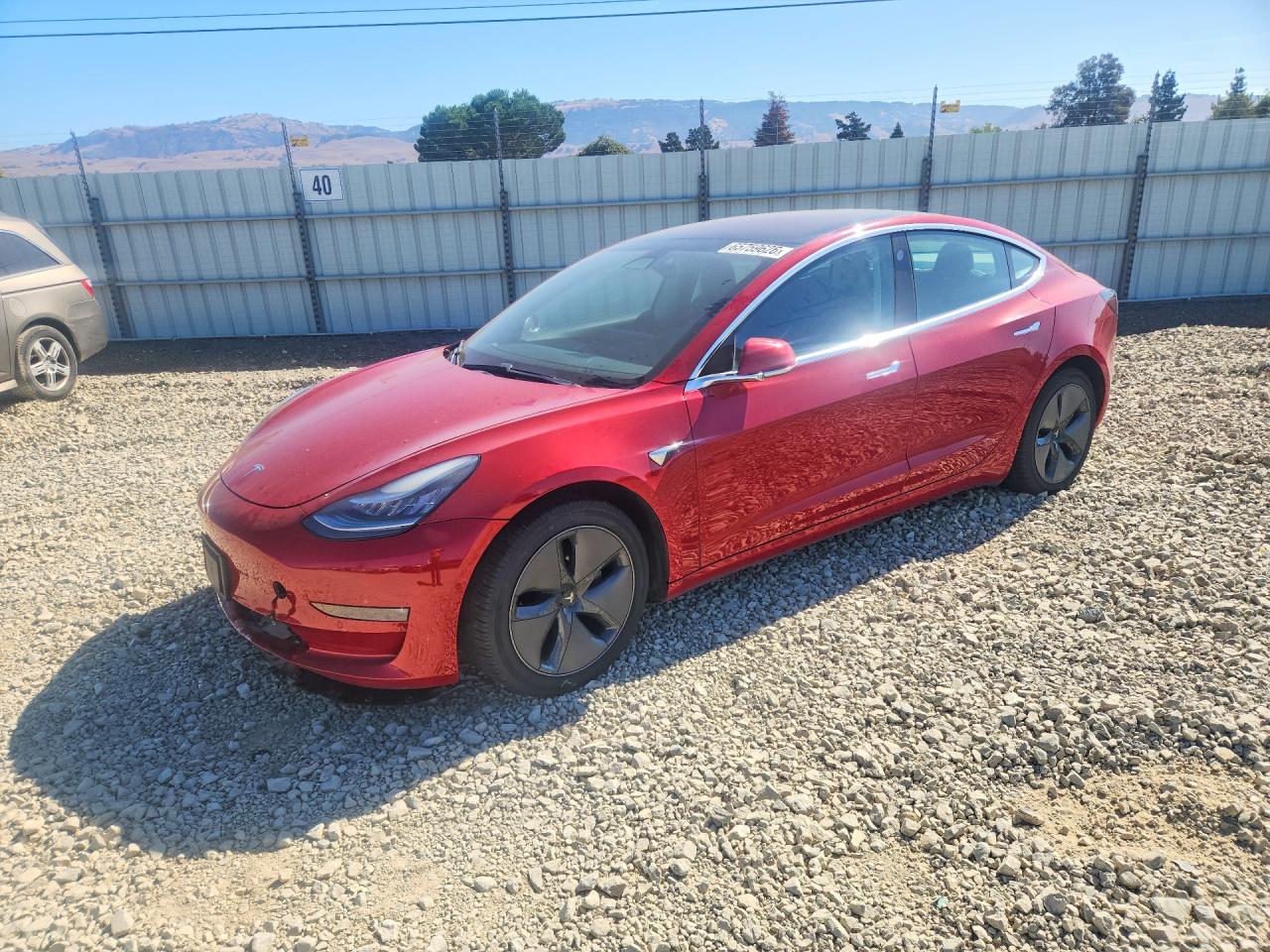
Damage map
If damage records exist for this VIN, the report shows the affected zonesTheft, liens and title
Checks that matter for registration and resaleRecorded condition
What the source noted about the car as it stands- Keys available
- No
- Start code
- Enhanced
History timeline
Data decoded from the VIN is shown. Records on file, if any, are in the full report.Mileage
Odometer reading as recorded at the sourceEarlier photos may be in the report
Check before you buy
Four things worth checking on any used carTESLA MODEL 3 specifications
- VIN
- 5YJ3E1EB4JF093431
- Make
- TESLA
- Model
- MODEL 3
- Year
- 2018
- Colour
- RED
- Fuel
- Electric
- Transmission
- Automatic
- Drive
- AWD
- Recorded damage
- Front End
What buyers ask about the TESLA MODEL 3
Was this 2018 TESLA MODEL 3 damaged before?
The damage in the specifications is what the source noted at the time. Earlier accidents and repairs on file for VIN 5YJ3E1EB4JF093431, if any, are in the full report.
In which countries was this car registered?
Registrations abroad seldom reach local registers. If this car was registered in other countries, the full report names them.
Who sells the report, and what does it cost?
An independent partner, selected automatically for each VIN by our system from analytical data. The partner shows the price before you pay; we may earn a commission.
VIN 5YJ3E1EB4JF093431: history
This Tesla Model 3 was built in 2018. The car has all-wheel drive. The drivetrain is fully electric. Every figure for this car is given as it appears in the source data.
A later figure lower than an earlier one points to a replaced instrument cluster or an odometer that has been wound back. Title paperwork often notes the mileage at each change of owner, which makes it a useful cross-check.
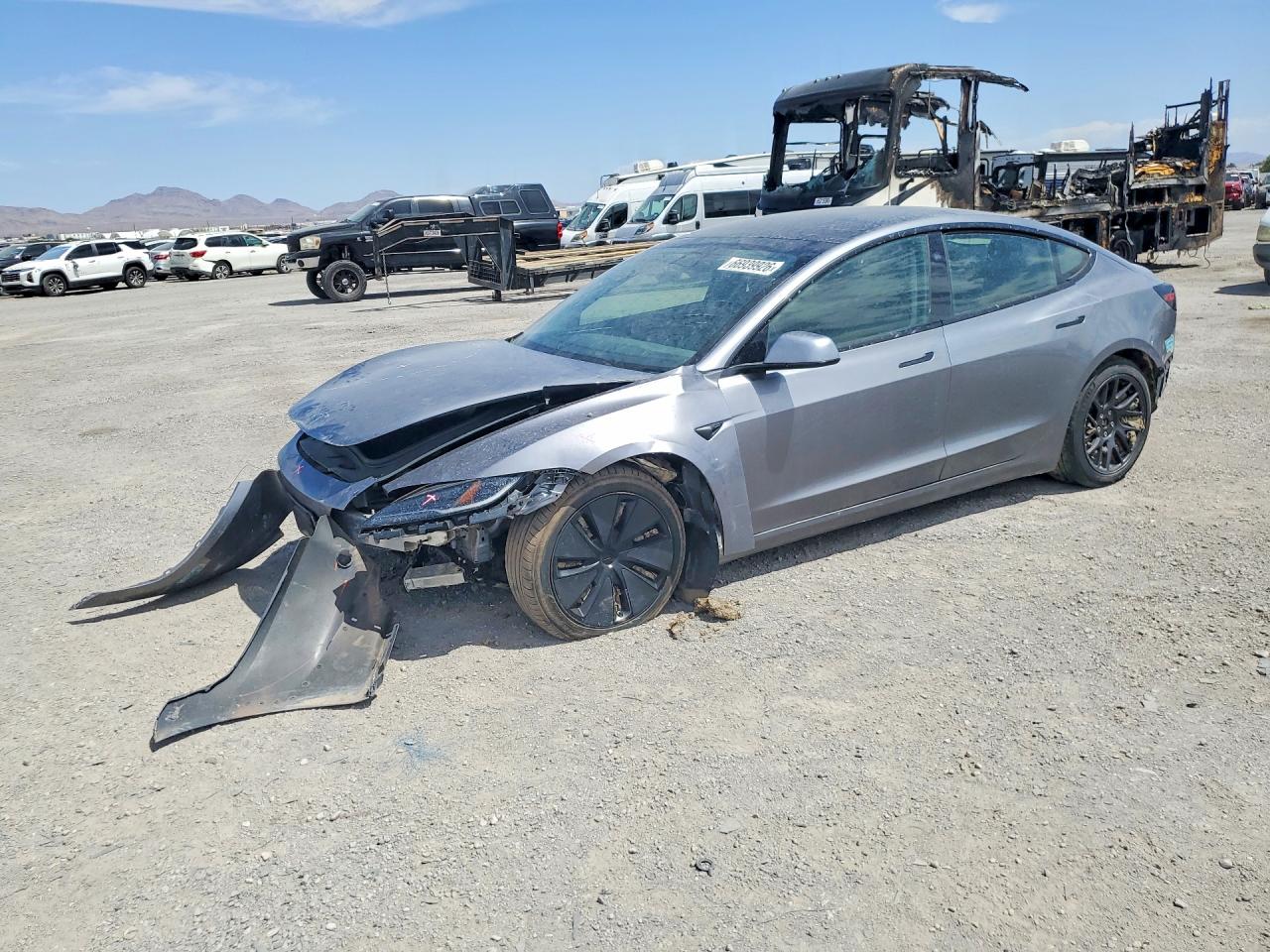
The main issue noted for this car is front-end damage. A damage entry is a starting point for the inspection, telling the mechanic where to look first. Some damage shows its consequences only later: corroded connectors and electrical faults can surface months afterwards.
No key was available with the car. Condition notes are a snapshot: the car may have been worked on, stripped of parts or left standing since.
The record shows a salvage title. A title like this is issued when repair was judged uneconomical or unsafe. If any work has been done on the car since, photos and invoices should show what was replaced.
A car’s history is everything logged against it since it left the factory: registrations and owners, inspections, repairs and insurance claims. Pieces of a car’s history sit with registries, dealers, workshops and insurance companies, and none of them sees the whole picture. A clean, polished car can still hide a serious accident, a flood or years of hard use.
For an electric car, a battery health report says more than the odometer: two cars with the same mileage can have very different range left. After any impact or water damage, the battery pack, its housing and the high-voltage cabling need checking by someone trained in high-voltage systems. An electric car with all-wheel drive usually has a drive unit on each axle, and both deserve a check for noise and stored fault codes.
Stamped into the body and printed on a plate, the VIN is the one identifier that stays with a car through every owner, registration and repair. This Tesla Model 3 has the VIN 5YJ3E1EB4JF093431. The VIN usually appears at the base of the windscreen, on a door pillar and stamped into the body, and all of them should match the documents.
Where entries exist, a VIN check can show changes of owner, past mileage readings, reported damage and whether the car is listed as stolen. The absence of an entry is not proof that nothing happened; it may only mean that nobody wrote it down. A VIN check and a physical inspection answer different questions: the first says what happened to the car, the second what condition it is in now. Look up the history of VIN 5YJ3E1EB4JF093431 first, and let what it shows guide the inspection.