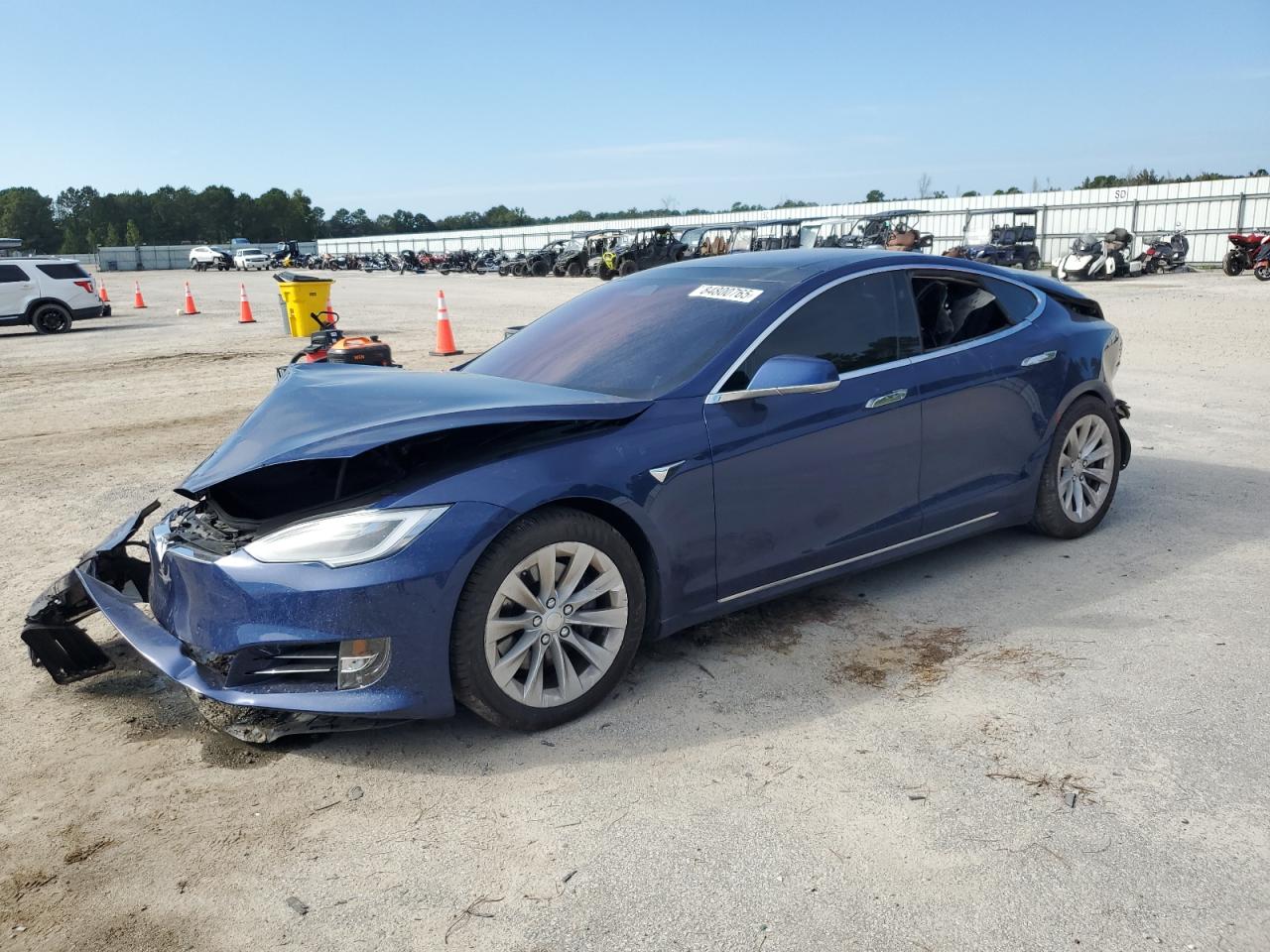
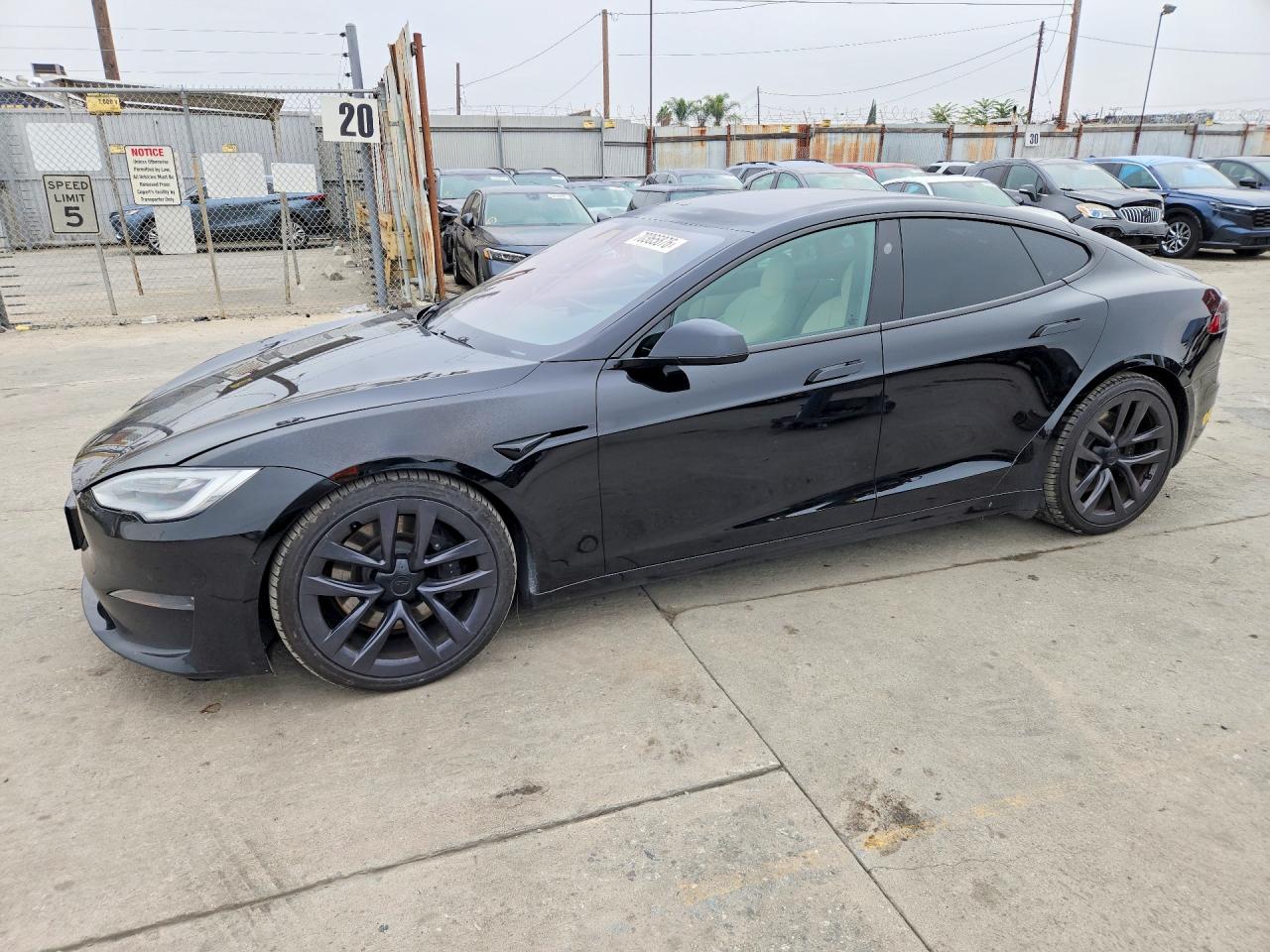
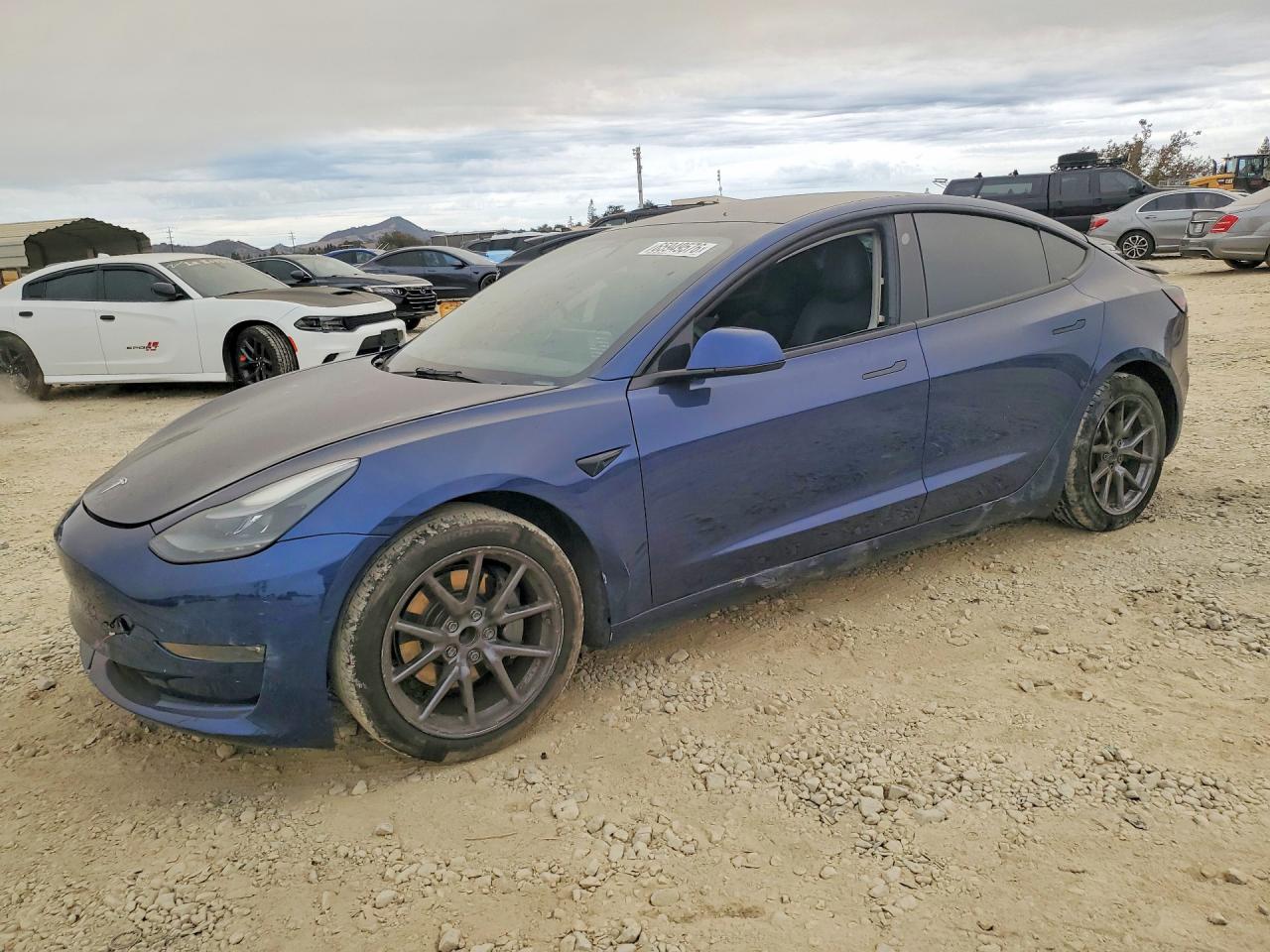
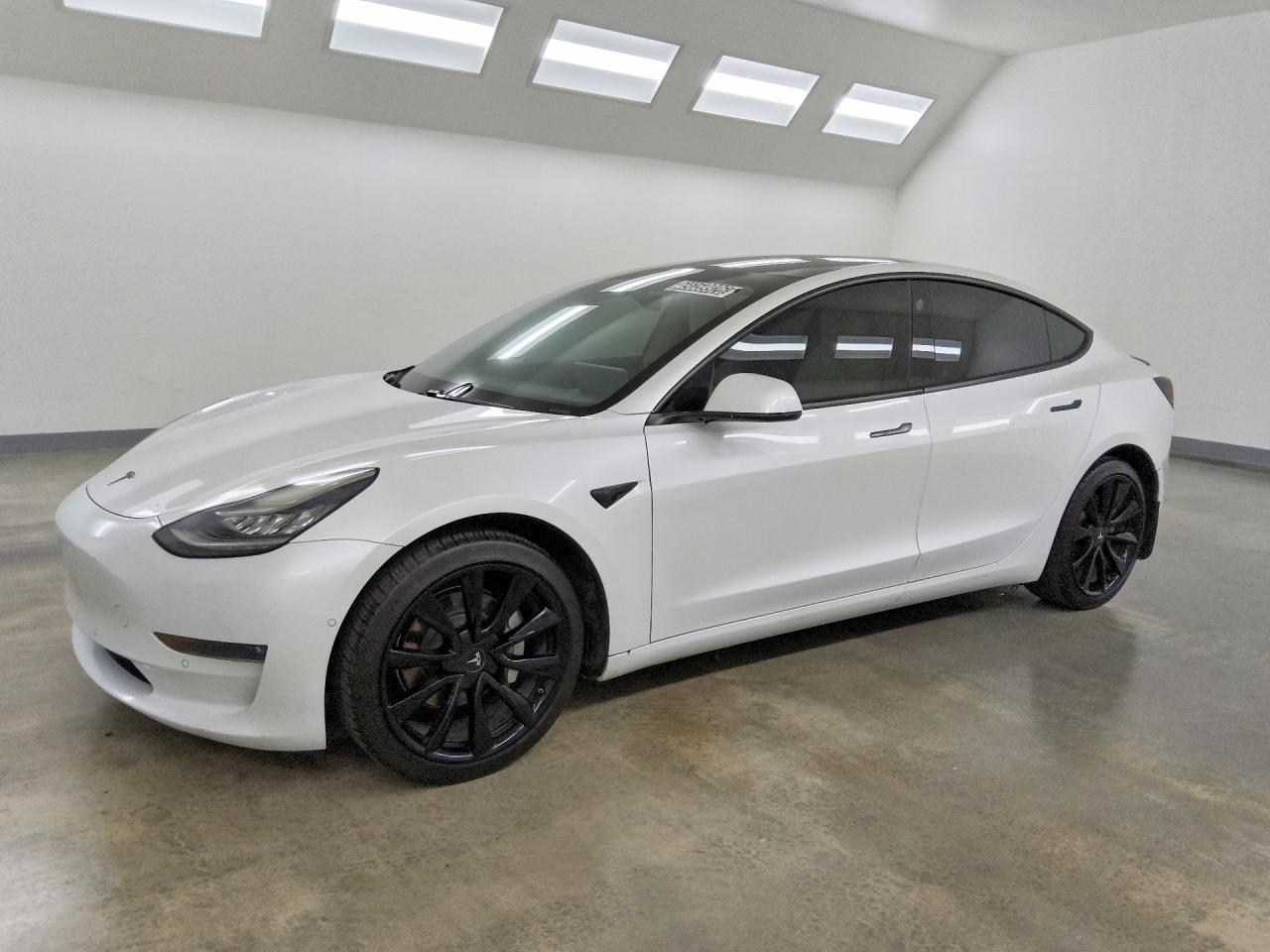
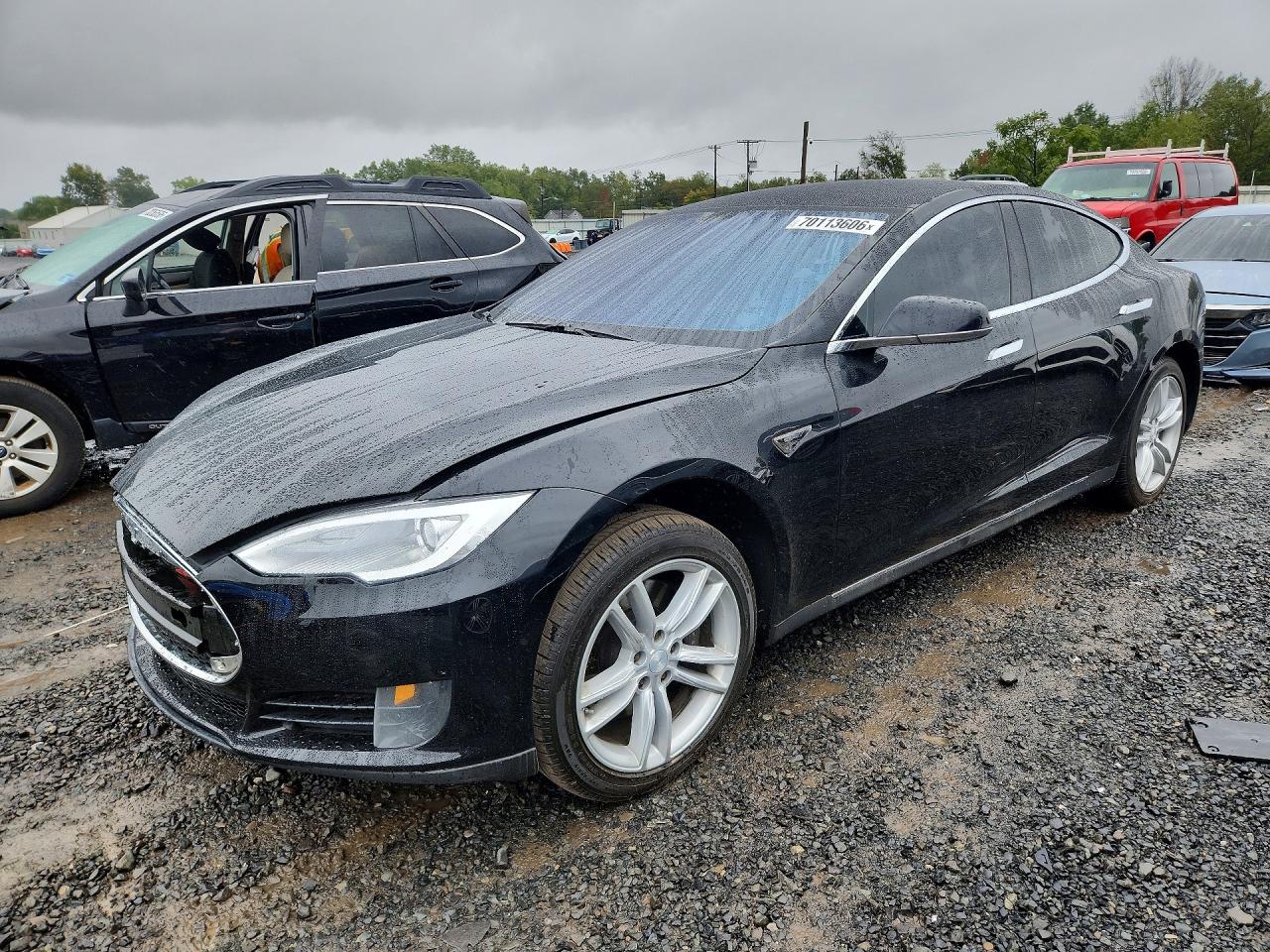
2013 TESLA MODEL S VIN 5YJSA1AC5DFP10085
Damage map
If damage records exist for this VIN, the report shows the affected zonesTheft, liens and title
Checks that matter for registration and resaleRecorded condition
What the source noted about the car as it stands- Runs and drives
- No
- Engine starts
- Yes
- Keys available
- Yes
- Start code
- Starts
History timeline
Data decoded from the VIN is shown. Records on file, if any, are in the full report.Mileage
Odometer reading as recorded at the sourceEarlier photos may be in the report
Check before you buy
Four things worth checking on any used carTESLA MODEL S specifications
- VIN
- 5YJSA1AC5DFP10085
- Make
- TESLA
- Model
- MODEL S
- Year
- 2013
- Colour
- BLACK
- Fuel
- Electric
- Transmission
- Automatic
- Drive
- RWD
- Recorded damage
- Mechanical
What buyers ask about the TESLA MODEL S
Was this 2013 TESLA MODEL S damaged before?
The damage in the specifications is what the source noted at the time. Earlier accidents and repairs on file for VIN 5YJSA1AC5DFP10085, if any, are in the full report.
In which countries was this car registered?
Registrations abroad seldom reach local registers. If this car was registered in other countries, the full report names them.
Who sells the report, and what does it cost?
An independent partner, selected automatically for each VIN by our system from analytical data. The partner shows the price before you pay; we may earn a commission.
VIN 5YJSA1AC5DFP10085: history
This Tesla Model S is a 2013 model, finished in black. The drivetrain is fully electric. The car has rear-wheel drive.
Services and inspections note the distance covered, so a car with an ordinary past builds up a trail of figures that climb year after year. Title paperwork often notes the mileage at each change of owner, which makes it a useful cross-check.
When the car was recorded, it showed mechanical damage. A damage entry is a starting point for the inspection, telling the mechanic where to look first. Damage rarely stays where it is first seen: an impact can reach the mountings and airbags behind a panel, and water or fire the wiring and electronics.
A note in the source data says the car did not run. A key was there when the car was checked. Running condition describes a single moment, and standing or work done since can change it.
The record shows a clean title. Nothing on the title points to a total loss or a flood.
Every car builds up a history from the day it is first registered: owners come and go, inspections are passed or failed, and repairs are paid for. The paperwork is kept by different bodies – registries, workshops, insurance companies and lenders – so the history of one car is spread across many places. What a car has been through is seldom visible at first glance, and a respray can make even a badly damaged car look sound.
The battery is the most expensive part of an electric car, so the share of its original capacity still available should be measured. The charging port and the cables supplied with the car should be checked along with the battery.
The VIN is a 17-character code assigned at the factory: it identifies the manufacturer, the model and its variant, and ends with a serial number unique to the car. The record gives the VIN as 5YJSA1AC5DFP10085. A VIN that differs between the documents and the car, or shows signs of tampering, is reason enough to walk away.
A VIN report gathers what different sources know about a car, such as the number of owners, mileage readings, damage and any branded title. A repair paid for in cash at a small workshop leaves no trace in any database, so no report can list it. The past is on file; the car’s condition today is a job for a mechanic, who can check the structure, underbody, electrics and any repairs on a lift. For this 2013 Tesla Model S, the sensible next step is a history check on VIN 5YJSA1AC5DFP10085.