2018 INFINITI Q50 3.0T LUXE VIN JN1EV7AR3JM436481
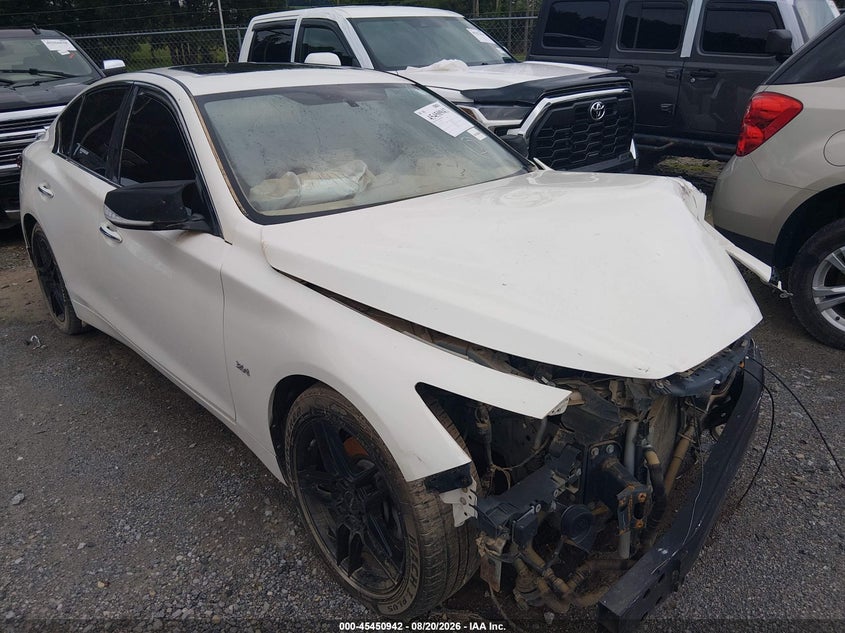
Damage map
If damage records exist for this VIN, the report shows the affected zonesTheft, liens and title
Checks that matter for registration and resaleRecorded condition
What the source noted about the car as it stands- Runs and drives
- No
- Engine starts
- No
- Keys available
- No
- Start code
- Stationary
History timeline
Data decoded from the VIN is shown. Records on file, if any, are in the full report.Mileage
Odometer reading as recorded at the sourceEarlier photos may be in the report
Check before you buy
Four things worth checking on any used carINFINITI Q50 3.0T LUXE specifications
- VIN
- JN1EV7AR3JM436481
- Make
- INFINITI
- Model
- Q50 3.0T LUXE
- Year
- 2018
- Colour
- WHITE
- Fuel
- Gasoline
- Engine
- 3.0 L
- Cylinders
- 6
- Power
- 300 hp
- Transmission
- Automatic
- Drive
- 4x4
- Recorded odometer
- 64 407 mi
- Recorded damage
- Front & Rear
What buyers ask about the INFINITI Q50 3.0T LUXE
Was this 2018 INFINITI Q50 3.0T LUXE damaged before?
The damage in the specifications is what the source noted at the time. Earlier accidents and repairs on file for VIN JN1EV7AR3JM436481, if any, are in the full report.
Can I trust the odometer reading of 64 407 mi?
It is the figure as recorded, not verified. Compare it with the earlier readings in the full report: they can only go up, so a drop points to a wound-back odometer.
In which countries was this car registered?
Registrations abroad seldom reach local registers. If this car was registered in other countries, the full report names them.
Who sells the report, and what does it cost?
An independent partner, selected automatically for each VIN by our system from analytical data. The partner shows the price before you pay; we may earn a commission.
VIN JN1EV7AR3JM436481: history
This entry is for a 2018 Infiniti Q50 3.0T Luxe, finished in white. Power reaches the wheels through an automatic gearbox. The engine is a 3.0-litre petrol unit with six cylinders. Every figure for this car is given as it appears in the source data.
At the time of recording, the car had covered 64,407 miles. A clock converted from miles to kilometres should be documented, since the swap can hide the true mileage. A single figure proves little: what makes a mileage believable is a series of readings that rise steadily over the years. Older figures usually turn up on service invoices, inspection reports and past title paperwork.
When the car was recorded, it showed damage to both front and rear. The damage type is a short label: the extent of the damage and the quality of any repair still have to be judged on the car. With damage to both front and rear on file, the inspection should start with the crash structures at both ends and the alignment of the body between them.
When it was checked, the car could not be driven. The engine could not be started. No key was available with the car, so a new one will have to be made and programmed.
The car carries a non-repairable title. A title like this is issued when repair was judged uneconomical or unsafe. The structure and the quality of any work done deserve a thorough inspection on a car with a branded title, however sound the car looks.
Every car builds up a history from the day it is first registered: owners come and go, inspections are passed or failed, and repairs are paid for. No single office holds the whole story of a car: registries, workshops, insurance companies and lenders each keep their own part. Much of a car’s past cannot be seen: a good body repair leaves no obvious mark, and neither do years of hard driving.
When a car does not run, a compression test and the condition of the oil tell a mechanic whether the engine can be brought back to life. On a petrol engine, spark plugs, ignition coils and the cooling system are the routine items a service history should cover. While the car does not run, stored fault codes and a look at the fluid are the only early evidence of how the automatic gearbox has fared. With four-wheel drive, mismatched tyres can strain the centre differential or coupling, so all four should be the same make and similarly worn.
A history check works by VIN because the number never changes, unlike registration plates and owners. The record gives the VIN as JN1EV7AR3JM436481. The VIN usually appears at the base of the windscreen, on a door pillar and stamped into the body, and all of them should match the documents.
Where entries exist, a VIN check can show changes of owner, past mileage readings, reported damage and whether the car is listed as stolen. The absence of an entry is not proof that nothing happened; it may only mean that nobody wrote it down. However complete the paperwork, only an inspection shows the condition of the body, suspension, brakes and electrics today. Look up the history of VIN JN1EV7AR3JM436481 first, and let what it shows guide the inspection.
Similar INFINITI Q50 3.0T LUXE cars
All INFINITI cars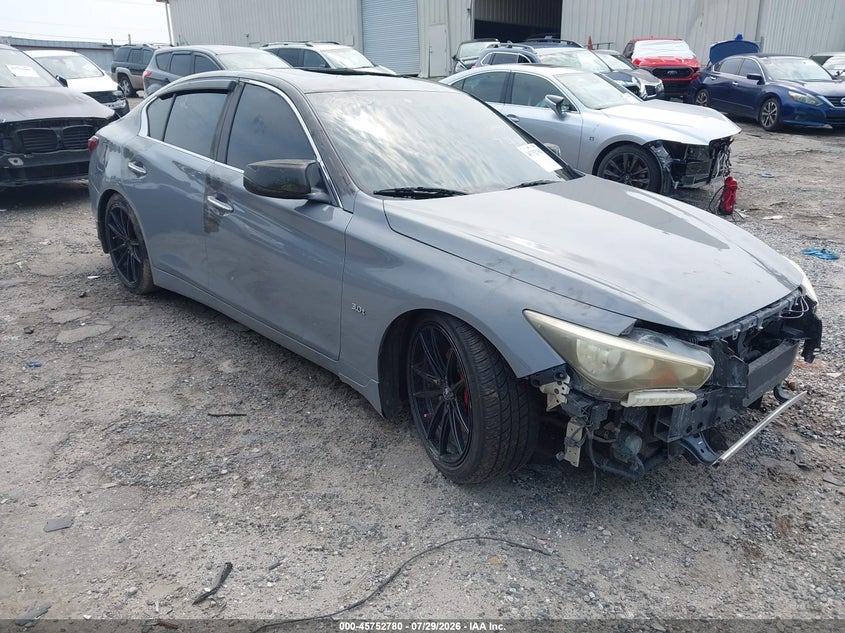 2018 INFINITI Q50 3.0T LUXE
JN1EV7•••••••2581
3.0 gasoline · Automatic
Check history
2018 INFINITI Q50 3.0T LUXE
JN1EV7•••••••2581
3.0 gasoline · Automatic
Check history
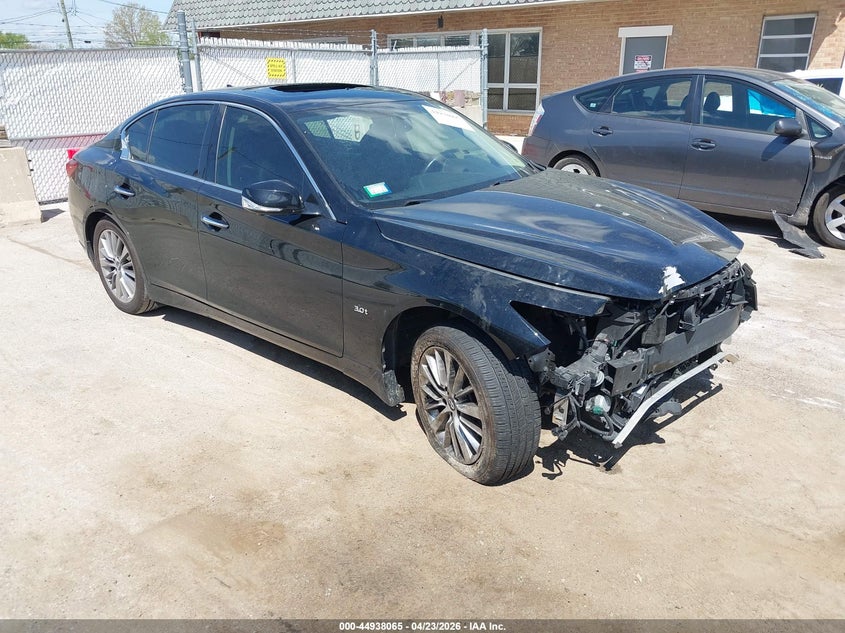 2018 INFINITI Q50 3.0T LUXE
JN1EV7•••••••8513
3.0 gasoline · Automatic
Check history
2018 INFINITI Q50 3.0T LUXE
JN1EV7•••••••8513
3.0 gasoline · Automatic
Check history
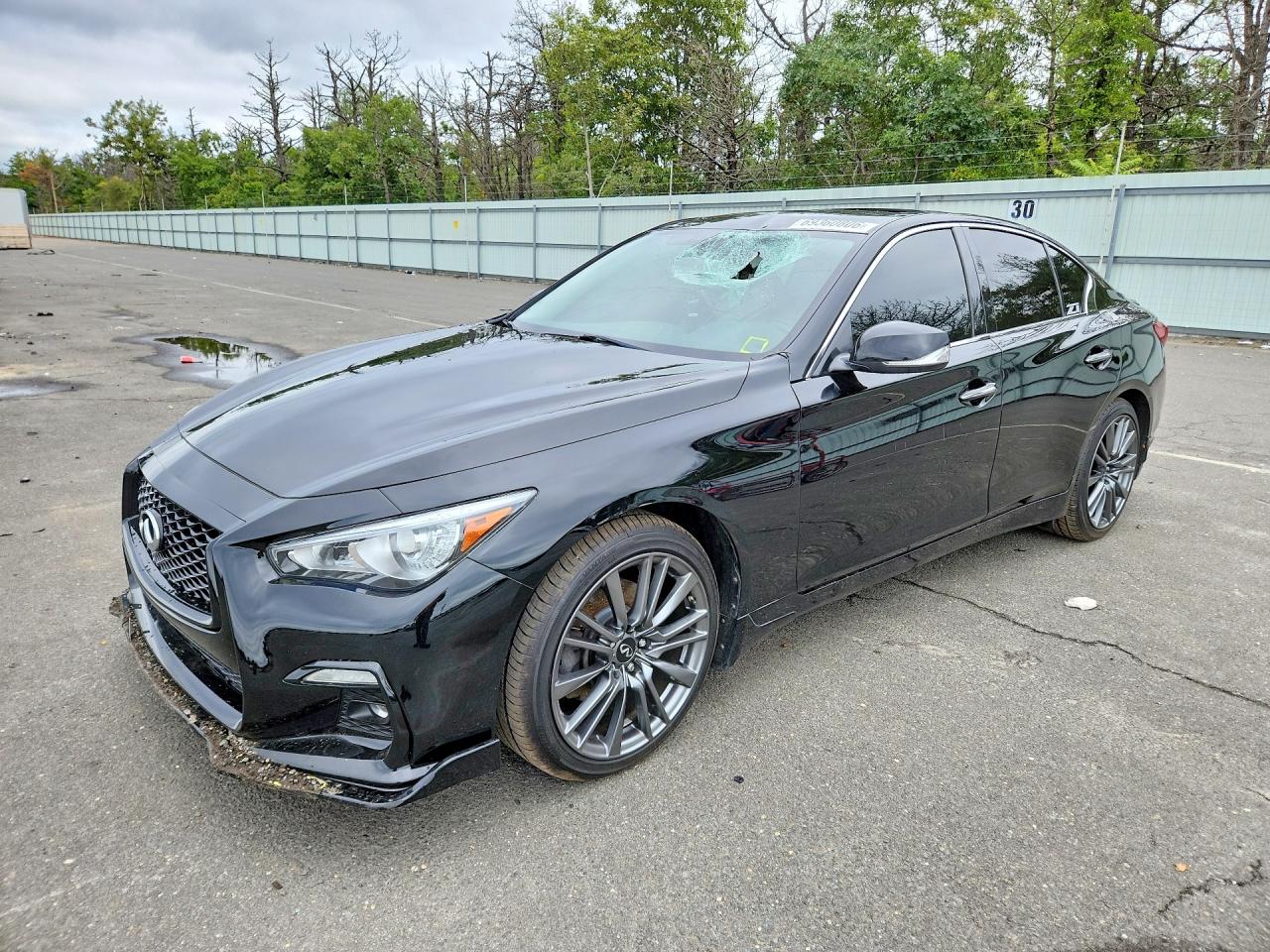 2019 INFINITI Q50 3.0T LUXE
JN1EV7•••••••4679
3.0 gasoline · Automatic
Check history
2019 INFINITI Q50 3.0T LUXE
JN1EV7•••••••4679
3.0 gasoline · Automatic
Check history
 2020 INFINITI QX80 LUXE AWD
JN8AZ2•••••••5879
5.6 gasoline · Automatic
Check history
2020 INFINITI QX80 LUXE AWD
JN8AZ2•••••••5879
5.6 gasoline · Automatic
Check history