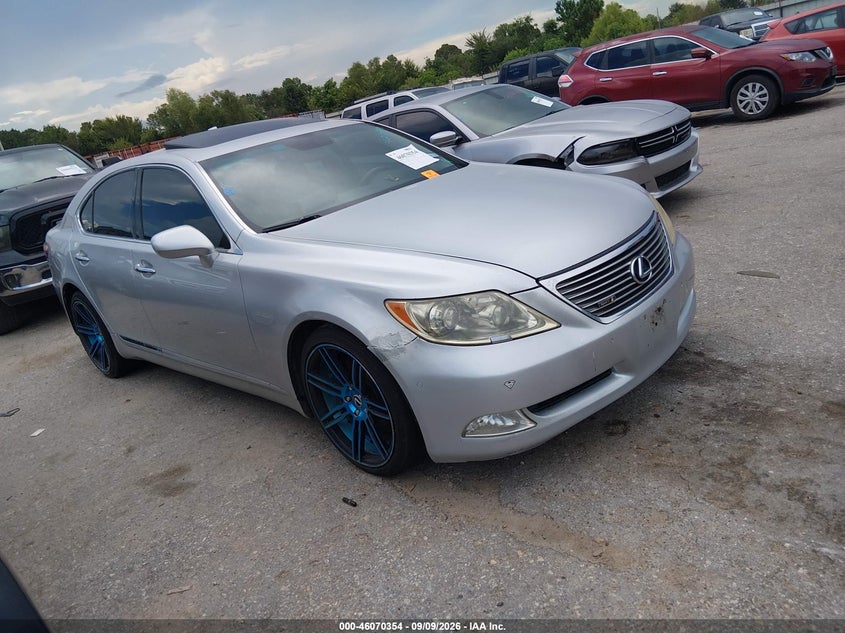
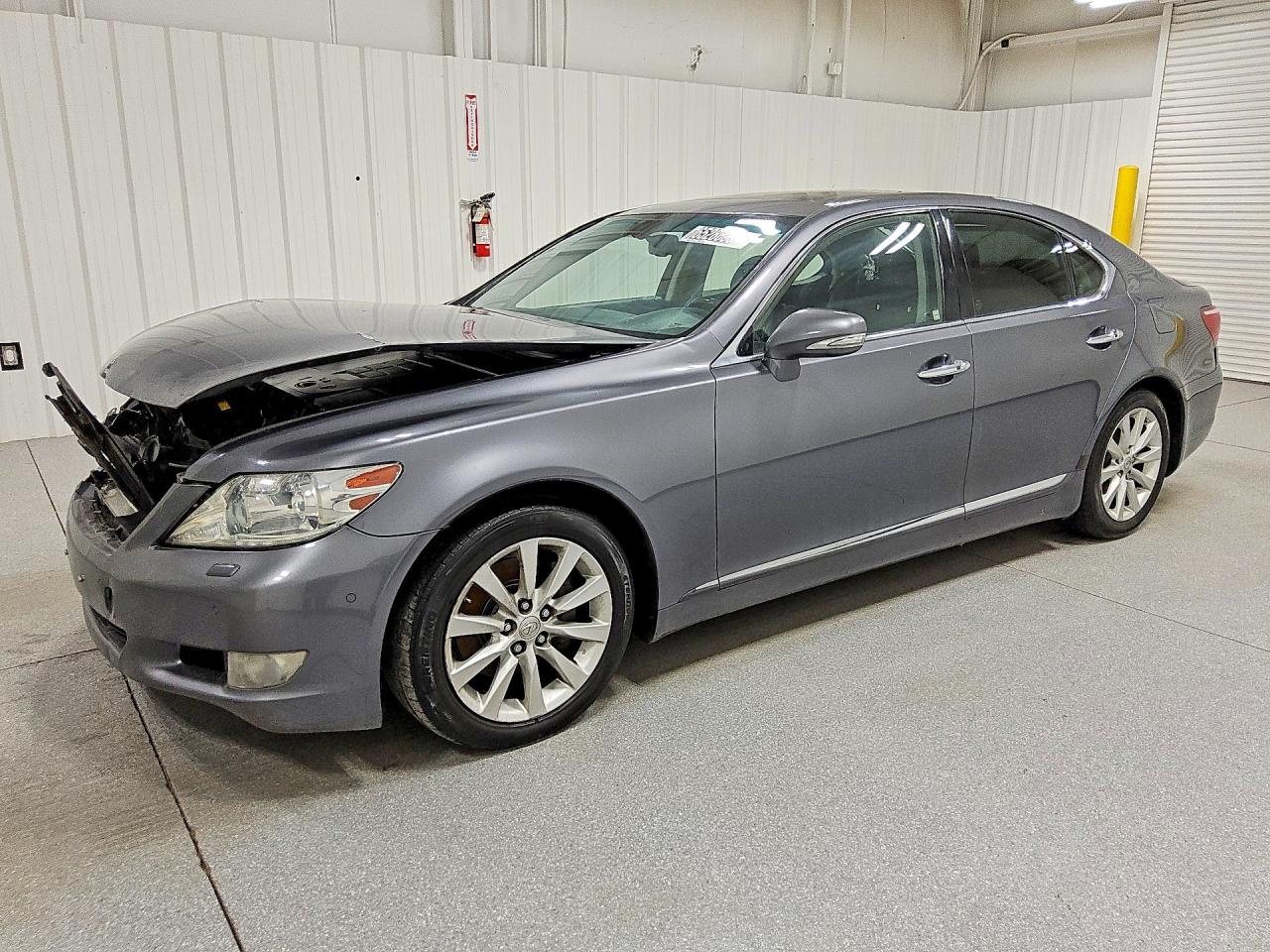
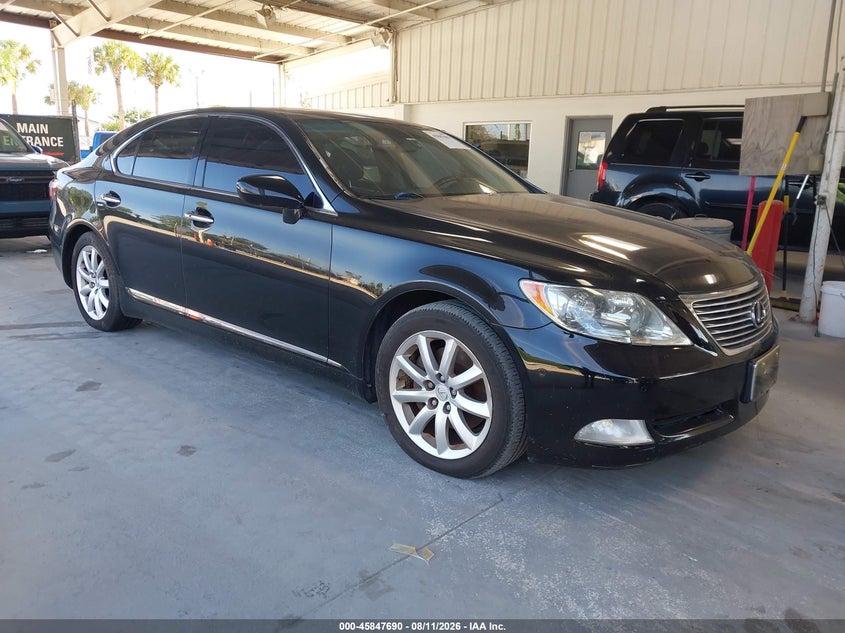
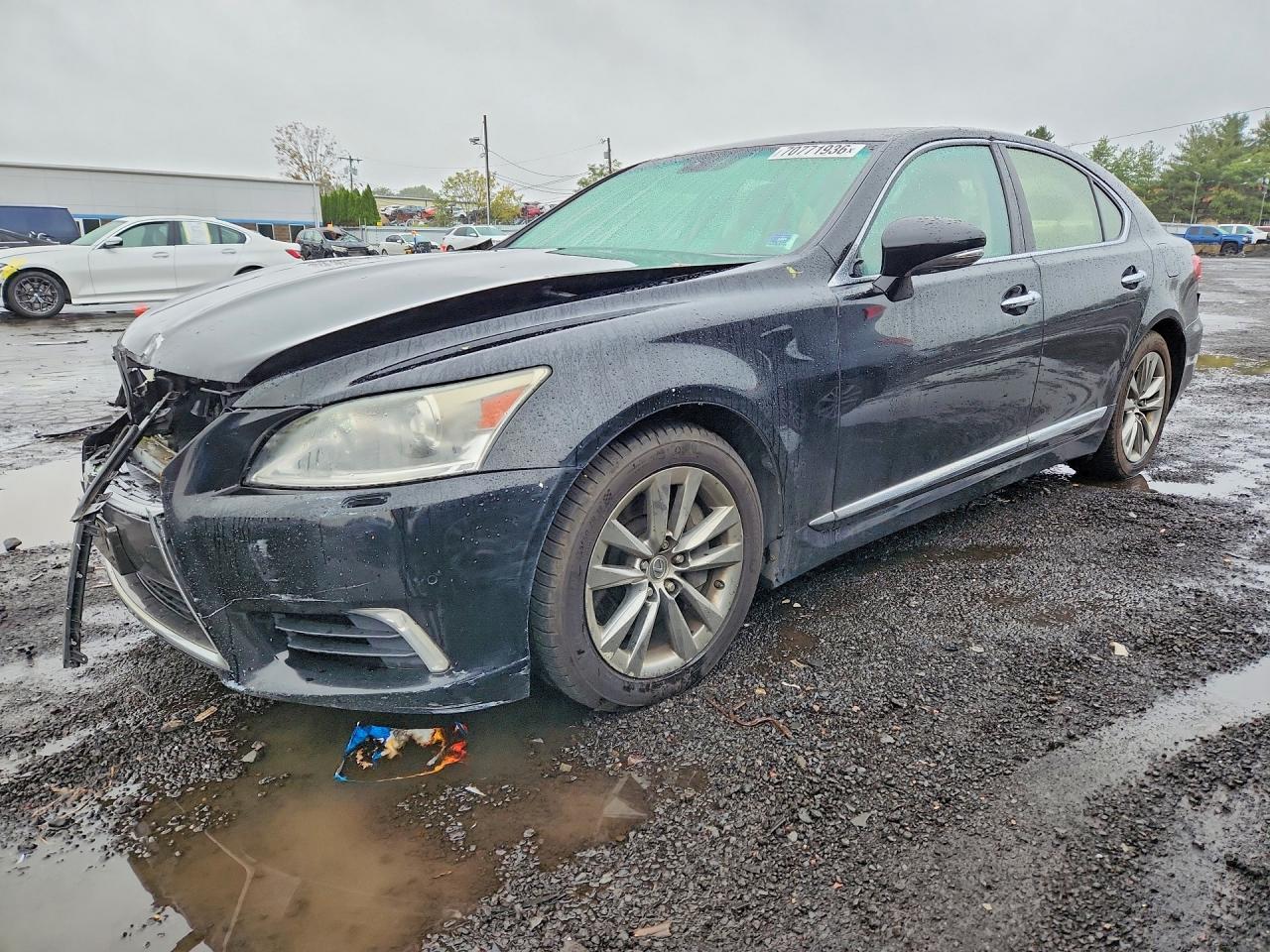
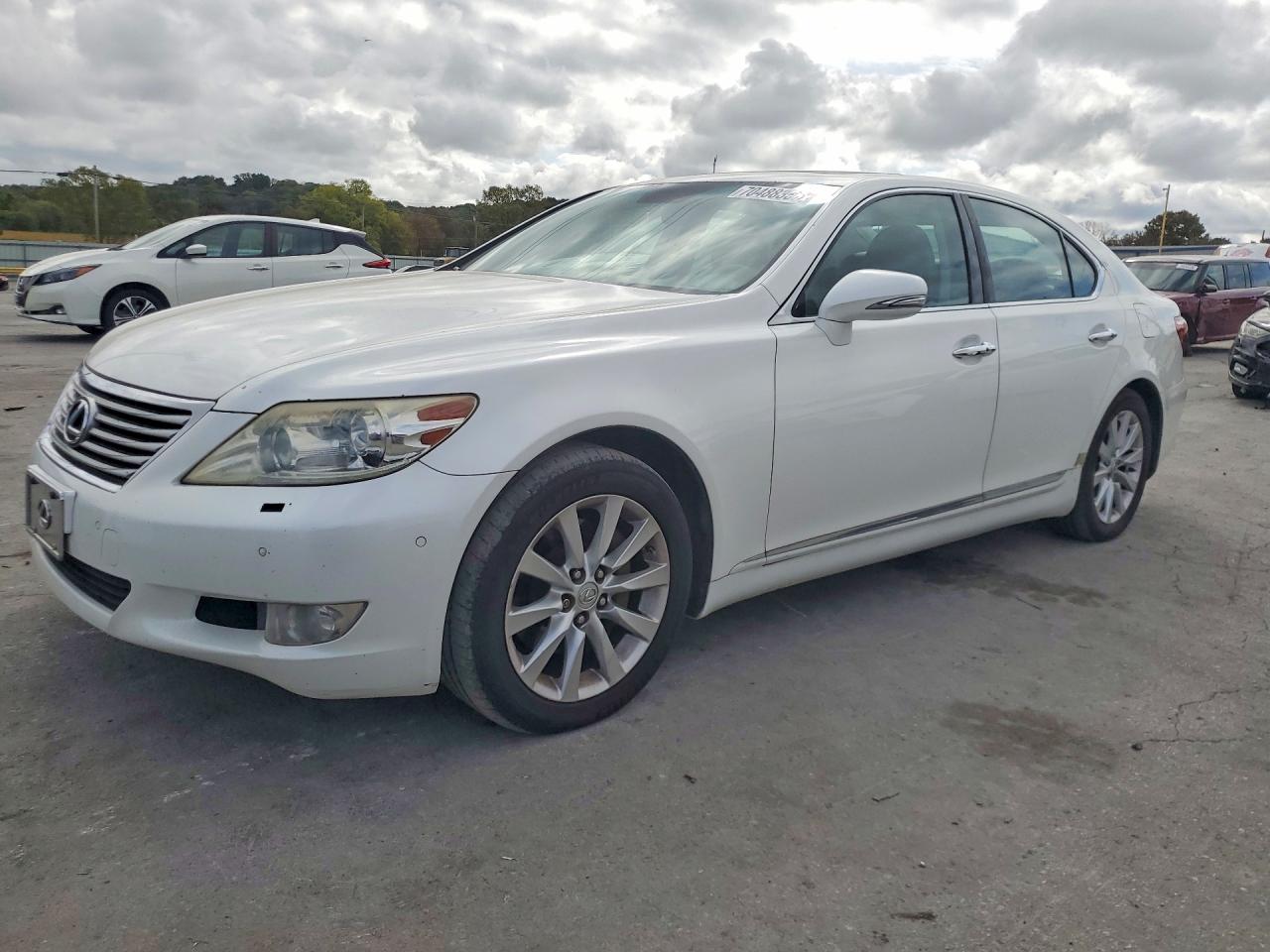
2010 LEXUS LS 460 VIN JTHBL5EF7A5101615
Damage map
If damage records exist for this VIN, the report shows the affected zonesTheft, liens and title
Checks that matter for registration and resaleRecorded condition
What the source noted about the car as it stands- Runs and drives
- Yes
- Engine starts
- Yes
- Keys available
- Yes
- Start code
- Run & Drive
History timeline
Data decoded from the VIN is shown. Records on file, if any, are in the full report.Mileage
Odometer reading as recorded at the sourceEarlier photos may be in the report
Check before you buy
Four things worth checking on any used carLEXUS LS 460 specifications
- VIN
- JTHBL5EF7A5101615
- Make
- LEXUS
- Model
- LS 460
- Year
- 2010
- Colour
- WHITE
- Fuel
- Gasoline
- Engine
- 4.6 L
- Cylinders
- 8
- Power
- 385 hp
- Transmission
- Automatic
- Drive
- RWD
- Recorded odometer
- 274 446 mi
- Recorded damage
- Front End
What buyers ask about the LEXUS LS 460
Was this 2010 LEXUS LS 460 damaged before?
The damage in the specifications is what the source noted at the time. Earlier accidents and repairs on file for VIN JTHBL5EF7A5101615, if any, are in the full report.
Can I trust the odometer reading of 274 446 mi?
It is the figure as recorded, not verified. Compare it with the earlier readings in the full report: they can only go up, so a drop points to a wound-back odometer.
In which countries was this car registered?
Registrations abroad seldom reach local registers. If this car was registered in other countries, the full report names them.
Who sells the report, and what does it cost?
An independent partner, selected automatically for each VIN by our system from analytical data. The partner shows the price before you pay; we may earn a commission.
VIN JTHBL5EF7A5101615: history
This Lexus LS 460 was built in 2010. Power reaches the wheels through an automatic gearbox. Under the bonnet is a 4.6-litre petrol engine producing 385 hp. Every figure for this car is given as it appears in the source data.
The clock stood at 274,446 miles when the data was entered. A clock converted from miles to kilometres should be documented, since the swap can hide the true mileage. Averaged over the car’s age, the mileage works out well above the usual annual distance, and wear on the suspension, brakes and interior should be judged with that in mind. Services and inspections note the distance covered, so a car with an ordinary past builds up a trail of figures that climb year after year. Service invoices and inspection reports each carry a mileage figure, and lined up in order they show whether the clock tells the truth.
The main issue noted for this car is front-end damage. A damage type says what kind of damage the car had, not how serious it was or whether it has been repaired since. Damage rarely stays where it is first seen: an impact can reach the mountings and airbags behind a panel, and water or fire the wiring and electronics.
At the time of recording, the car ran and drove. A key was there when the car was checked. Months of standing can leave a car with seized brakes and perished tyres.
According to the source data, the car has a clean title. A clean title is a good sign, though it says nothing about wear, maintenance or how the car was driven.
Every car builds up a history from the day it is first registered: owners come and go, inspections are passed or failed, and repairs are paid for. The paperwork is kept by different bodies – registries, workshops, insurance companies and lenders – so the history of one car is spread across many places. A car’s past rarely shows on the paintwork: a well-repaired accident or water damage that was dried out is easy to miss.
Regular oil changes and timely work on the timing belt or chain decide how well an engine copes with age. A petrol engine in good order starts cleanly, idles evenly and pulls without hesitation. The automatic gearbox needs its fluid changed at the manufacturer’s intervals, and invoices should show that it was.
The tenth character of the VIN stands for the model year, and the eleventh for the plant that built the car. For this car, the VIN is JTHBL5EF7A5101615. A VIN that differs between the documents and the car, or shows signs of tampering, is reason enough to walk away.
Where entries exist, a VIN check can show changes of owner, past mileage readings, reported damage and whether the car is listed as stolen. Paperwork is only as complete as the people who kept it, so a report with few entries lowers the risk without removing it. The past is on file; the car’s condition today is a job for a mechanic, who can check the structure, underbody, electrics and any repairs on a lift. Before making a decision about this Lexus LS 460, check the history behind VIN JTHBL5EF7A5101615.