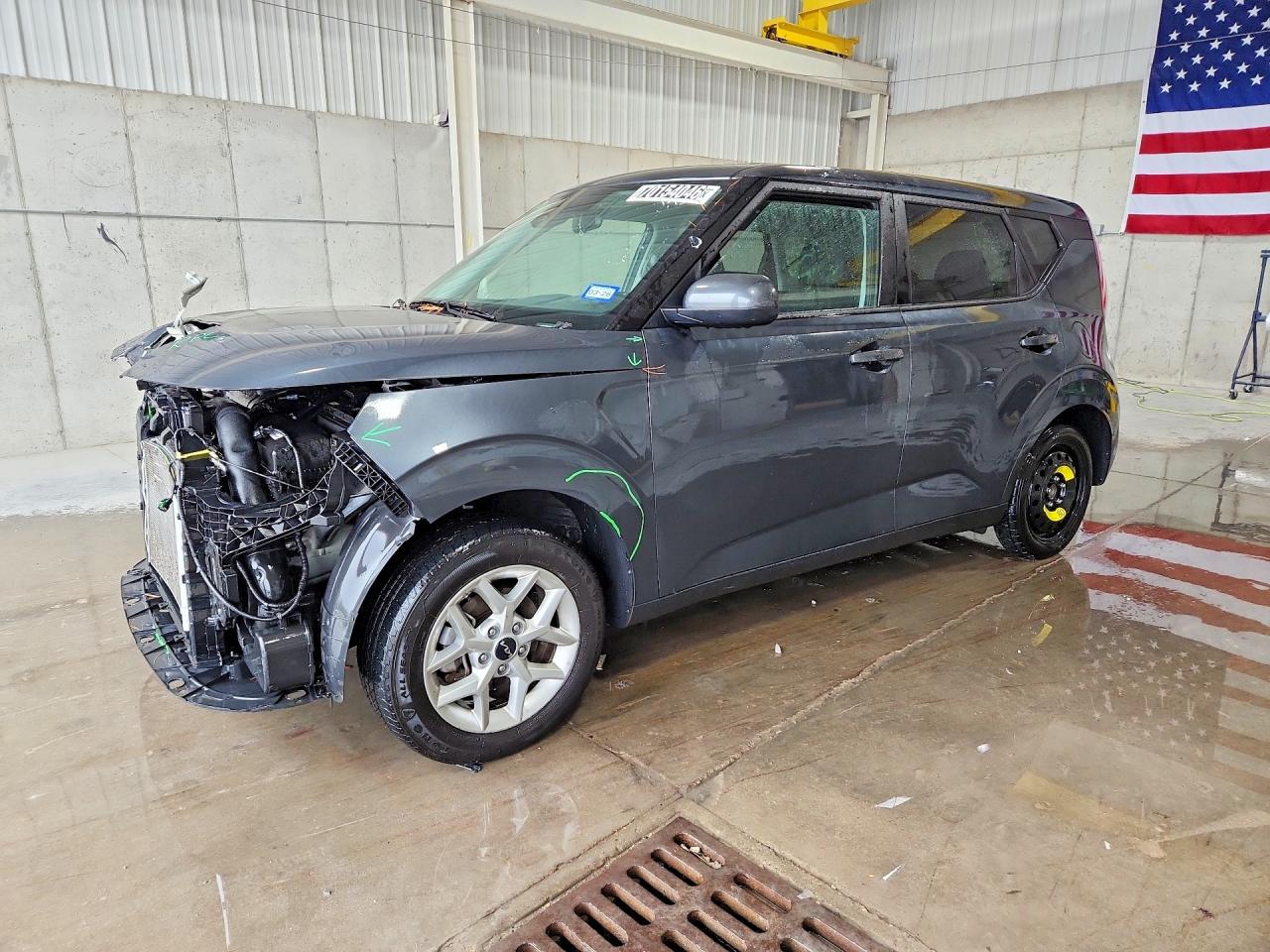
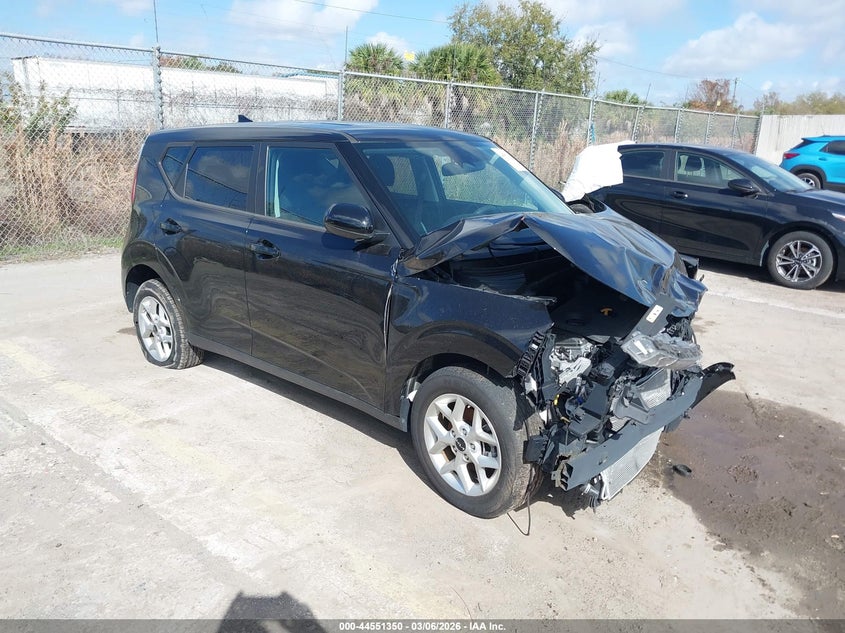
2020 KIA SOUL LX VIN KNDJ23AU9L7722516

Damage map
If damage records exist for this VIN, the report shows the affected zonesTheft, liens and title
Checks that matter for registration and resaleRecorded condition
What the source noted about the car as it stands- Keys available
- Yes
- Start code
- Enhanced
History timeline
Data decoded from the VIN is shown. Records on file, if any, are in the full report.Mileage
Odometer reading as recorded at the sourceEarlier photos may be in the report
Check before you buy
Four things worth checking on any used carKIA SOUL LX specifications
- VIN
- KNDJ23AU9L7722516
- Make
- KIA
- Model
- SOUL LX
- Year
- 2020
- Colour
- GRAY
- Fuel
- Gasoline
- Engine
- 2.0 L
- Cylinders
- 4
- Power
- 147 hp
- Transmission
- Automatic
- Drive
- FWD
- Recorded odometer
- 64 559 mi
- Recorded damage
- Minor Dent/Scratches
What buyers ask about the KIA SOUL LX
Was this 2020 KIA SOUL LX damaged before?
The damage in the specifications is what the source noted at the time. Earlier accidents and repairs on file for VIN KNDJ23AU9L7722516, if any, are in the full report.
Can I trust the odometer reading of 64 559 mi?
It is the figure as recorded, not verified. Compare it with the earlier readings in the full report: they can only go up, so a drop points to a wound-back odometer.
In which countries was this car registered?
Registrations abroad seldom reach local registers. If this car was registered in other countries, the full report names them.
Who sells the report, and what does it cost?
An independent partner, selected automatically for each VIN by our system from analytical data. The partner shows the price before you pay; we may earn a commission.
VIN KNDJ23AU9L7722516: history
This KIA Soul LX was built in 2020. The fuel is petrol. Power reaches the wheels through an automatic gearbox. The specification is taken from the source data.
The clock stood at 64,559 miles when the data was entered. The number on the clock proves little by itself; earlier figures logged at services and inspections are what make it believable.
When the car was recorded, it showed minor dents and scratches. A damage type says what kind of damage the car had, not how serious it was or whether it has been repaired since. Whatever the cause, a diagnostic scan of the car’s electronics shows fault codes that a visual check misses.
A key was noted with the car. Running condition describes a single moment, and standing or work done since can change it.
The car carries a clean title. Nothing on the title points to a total loss or a flood.
Behind every used car lies a string of events: who owned it and for how long, what the inspections found and which repairs and claims were made. No single office holds the whole story of a car: registries, workshops, insurance companies and lenders each keep their own part. From the outside, a car with a repaired accident and a car without one can look identical.
For the engine, the service history matters most: oil changes, filters and the timing belt or chain are the entries to look for. A petrol engine in good order starts cleanly, idles evenly and pulls without hesitation. Automatic transmissions, CVTs included, are expensive to repair, so the test drive should include pulling away from a standstill and a stretch at motorway speed.
Every modern car carries a 17-character VIN, its identity for life, and no two cars share one. For this car, the VIN is KNDJ23AU9L7722516. The VIN usually appears at the base of the windscreen, on a door pillar and stamped into the body, and all of them should match the documents.
What a history report can list depends on what has been documented about the car: registrations, mileage readings, damage, branded titles and theft reports. No report is complete: a repair done privately and never claimed on insurance leaves nothing to find. A history report says nothing about the car’s present condition: the frame, corrosion, electrics and the quality of any repair are judged on a lift by a mechanic. A history check on VIN KNDJ23AU9L7722516 is the place to start.