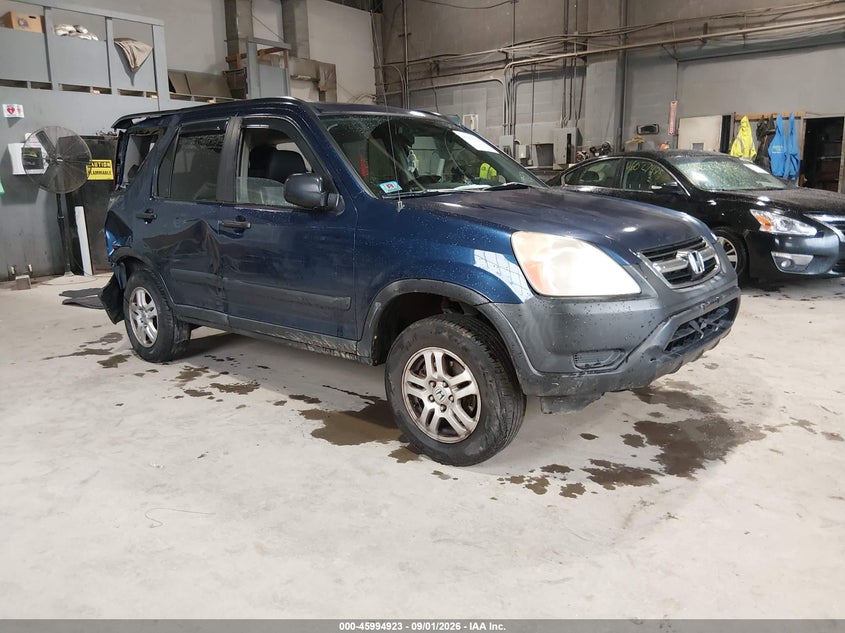
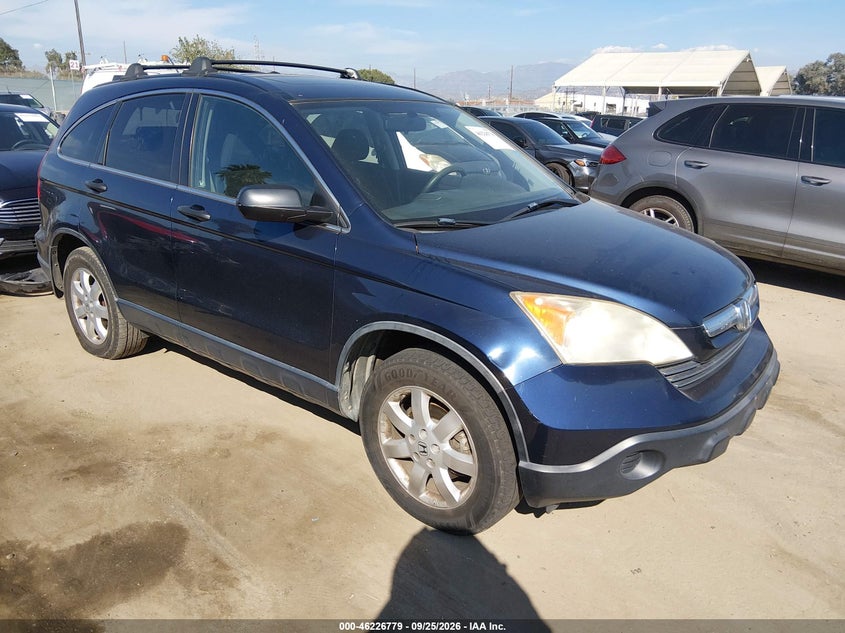
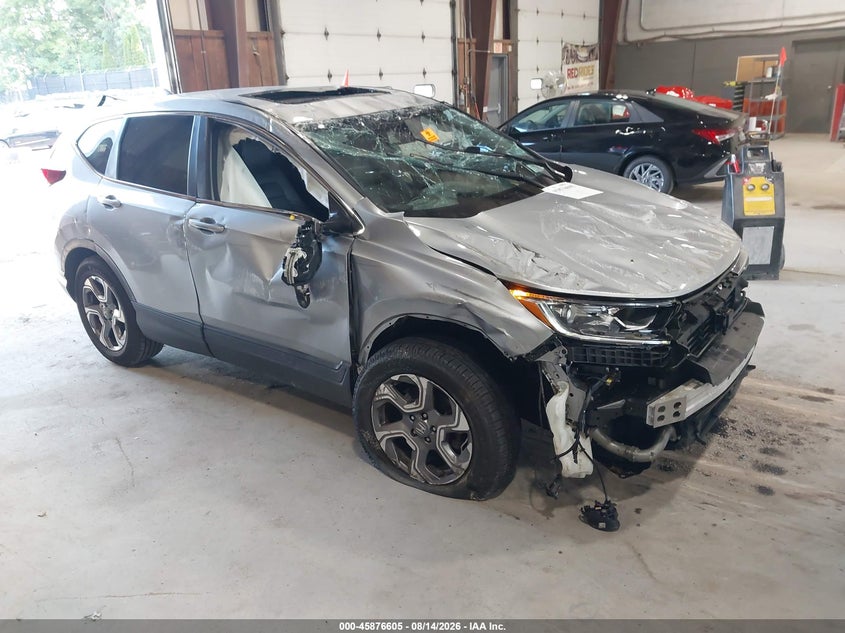
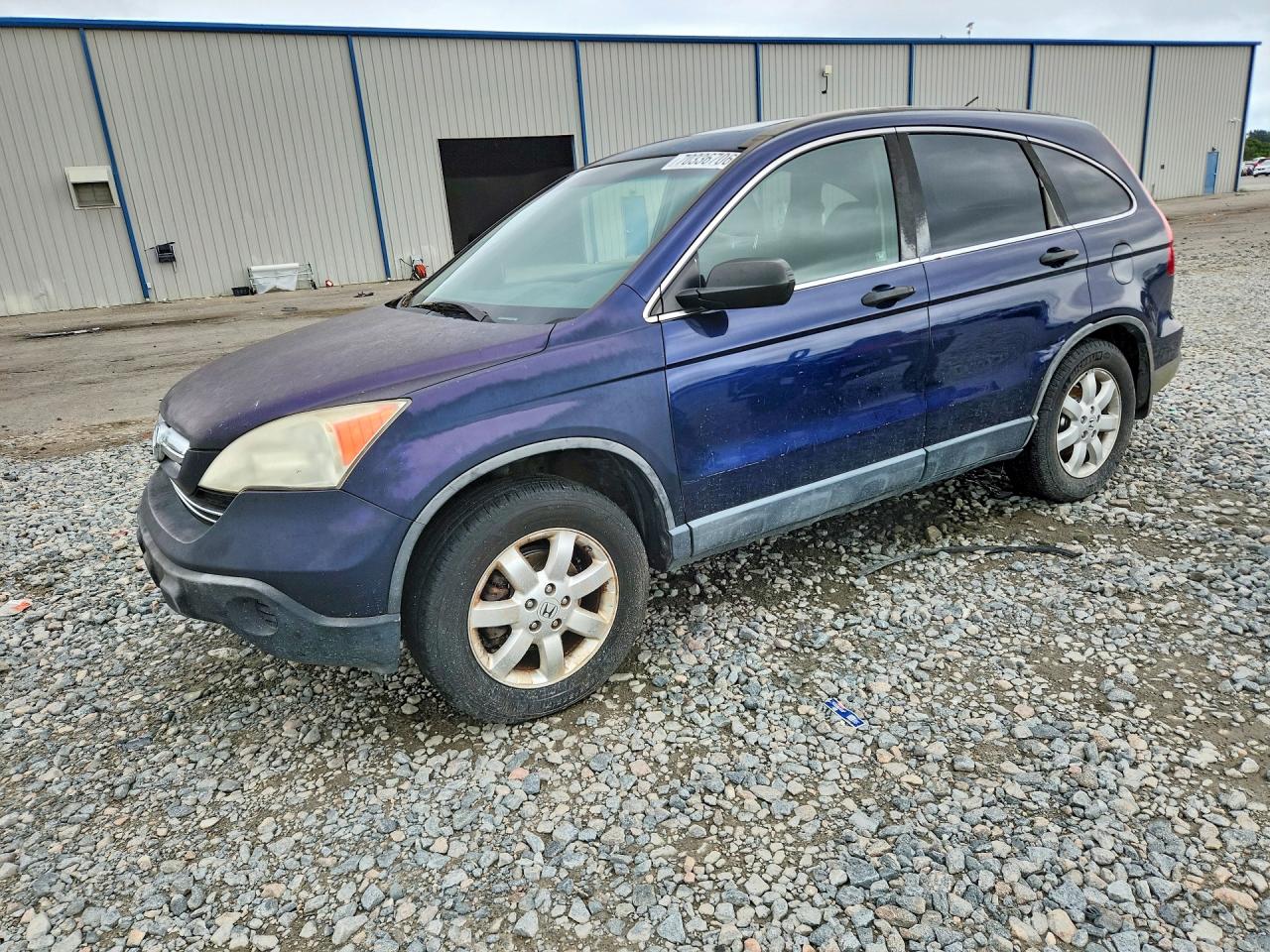
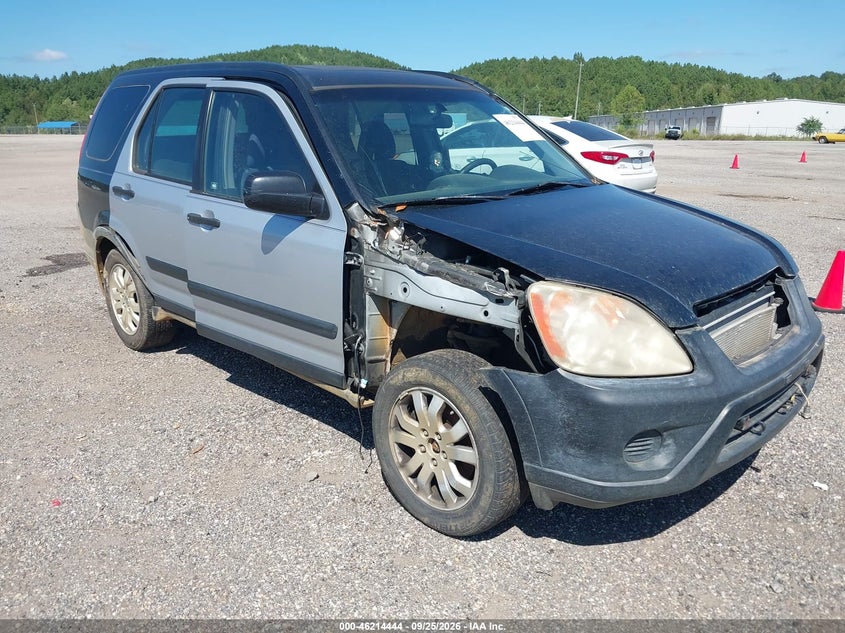
2005 HONDA CR-V EX VIN SHSRD78885U328377
Damage map
If damage records exist for this VIN, the report shows the affected zonesTheft, liens and title
Checks that matter for registration and resaleRecorded condition
What the source noted about the car as it stands- Keys available
- Yes
History timeline
Data decoded from the VIN is shown. Records on file, if any, are in the full report.Mileage
Odometer reading as recorded at the sourceEarlier photos may be in the report
Check before you buy
Four things worth checking on any used carHONDA CR-V EX specifications
- VIN
- SHSRD78885U328377
- Make
- HONDA
- Model
- CR-V EX
- Year
- 2005
- Colour
- BLACK
- Fuel
- Gasoline
- Engine
- 2.4 L
- Cylinders
- 4
- Power
- 160 hp
- Transmission
- Automatic
- Drive
- 4x4
- Recorded odometer
- 221 951 mi
- Recorded damage
- Normal Wear & Tear
What buyers ask about the HONDA CR-V EX
Was this 2005 HONDA CR-V EX damaged before?
The damage in the specifications is what the source noted at the time. Earlier accidents and repairs on file for VIN SHSRD78885U328377, if any, are in the full report.
Can I trust the odometer reading of 221 951 mi?
It is the figure as recorded, not verified. Compare it with the earlier readings in the full report: they can only go up, so a drop points to a wound-back odometer.
In which countries was this car registered?
Registrations abroad seldom reach local registers. If this car was registered in other countries, the full report names them.
Who sells the report, and what does it cost?
An independent partner, selected automatically for each VIN by our system from analytical data. The partner shows the price before you pay; we may earn a commission.
VIN SHSRD78885U328377: history
The Honda Cr-V EX described here left the factory in 2005. Under the bonnet is a 2.4-litre petrol engine. The drivetrain combines an automatic gearbox with four-wheel drive.
The car was recorded with 221,951 miles on the clock. Miles and kilometres are easy to confuse, and a distance in miles looks lower than the same distance in kilometres. Turning back an odometer takes little skill and leaves no visible trace, which is why earlier figures matter more than the display. Title paperwork often notes the mileage at each change of owner, which makes it a useful cross-check.
The source data names no primary damage. That shows only that none was entered, so the body still deserves a close look. Water marks under the carpets, rust in unusual places or a panel in a slightly different shade would point to damage nobody ever entered.
A key was there when the car was checked. Months of standing can leave a car with seized brakes and perished tyres.
The car carries a clean title. Such a title means no salvage, flood or similar mark was recorded against the car; it does not rule out damage repaired without a claim.
Registrations, changes of owner, inspection results and accident claims together make up what is called a car’s history. Pieces of a car’s history sit with registries, dealers, workshops and insurance companies, and none of them sees the whole picture. A clean, polished car can still hide a serious accident, a flood or years of hard use.
A cold start, the colour of the exhaust smoke and any oil leaks tell a mechanic a good deal about how an engine has been treated. On a petrol engine, spark plugs, ignition coils and the cooling system are the routine items a service history should cover. Automatic transmissions, CVTs included, are expensive to repair, so the test drive should include pulling away from a standstill and a stretch at motorway speed. On a car with four-wheel drive, a whine or clunk when turning tightly at low speed needs a mechanic’s attention.
Every modern car carries a 17-character VIN, its identity for life, and no two cars share one. The record gives the VIN as SHSRD78885U328377.
A VIN report shows what has been logged: earlier registrations, odometer figures, damage entries, branded titles and theft checks, wherever such data exists. No report is complete: a repair done privately and never claimed on insurance leaves nothing to find. A VIN check and a physical inspection answer different questions: the first says what happened to the car, the second what condition it is in now. The next step is to look up the history behind VIN SHSRD78885U328377.