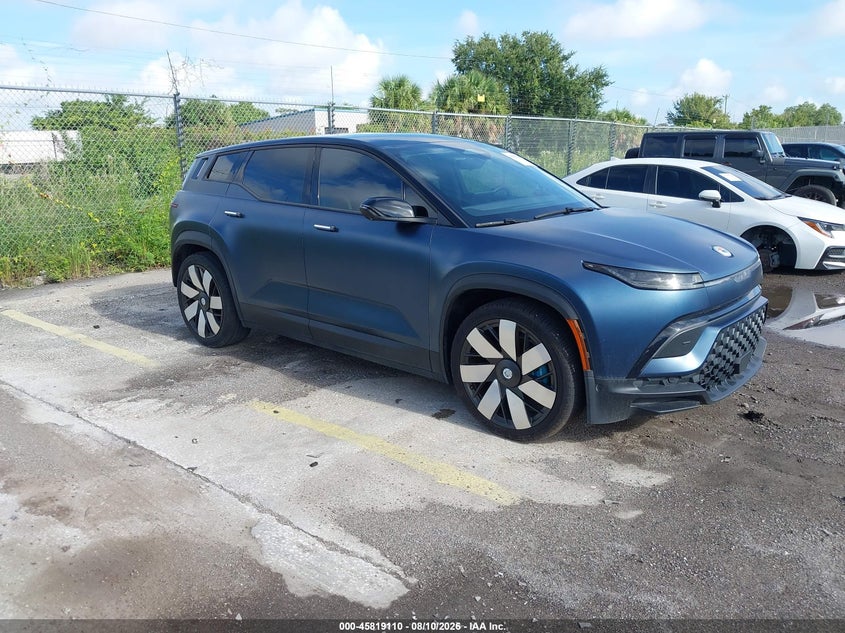
2023 FISKER OCEAN ONE VIN VCF1ZBU2XPG006035
Damage map
If damage records exist for this VIN, the report shows the affected zonesTheft, liens and title
Checks that matter for registration and resaleRecorded condition
What the source noted about the car as it stands- Keys available
- No
History timeline
Data decoded from the VIN is shown. Records on file, if any, are in the full report.Mileage
Odometer reading as recorded at the sourceEarlier photos may be in the report
Check before you buy
Four things worth checking on any used carFISKER OCEAN ONE specifications
- VIN
- VCF1ZBU2XPG006035
- Make
- FISKER
- Model
- OCEAN ONE
- Year
- 2023
- Colour
- BLUE
- Fuel
- Electric
- Transmission
- Automatic
- Drive
- AWD
- Recorded odometer
- 1 mi
- Recorded damage
- Normal Wear & Tear
What buyers ask about the FISKER OCEAN ONE
Was this 2023 FISKER OCEAN ONE damaged before?
The damage in the specifications is what the source noted at the time. Earlier accidents and repairs on file for VIN VCF1ZBU2XPG006035, if any, are in the full report.
Can I trust the odometer reading of 1 mi?
It is the figure as recorded, not verified. Compare it with the earlier readings in the full report: they can only go up, so a drop points to a wound-back odometer.
In which countries was this car registered?
Registrations abroad seldom reach local registers. If this car was registered in other countries, the full report names them.
Who sells the report, and what does it cost?
An independent partner, selected automatically for each VIN by our system from analytical data. The partner shows the price before you pay; we may earn a commission.
VIN VCF1ZBU2XPG006035: history
This Fisker Ocean ONE is a 2023 model. This example is fitted with all-wheel drive. The drivetrain is fully electric.
A single figure proves little: what makes a mileage believable is a series of readings that rise steadily over the years. Service invoices and inspection reports each carry a mileage figure, and lined up in order they show whether the clock tells the truth.
The source data names no primary damage. That shows only that none was entered, so the body still deserves a close look. Water marks under the carpets, rust in unusual places or a panel in a slightly different shade would point to damage nobody ever entered.
No key is recorded with the car, and a replacement has to be coded to the immobiliser.
According to the source data, the car has a clean title. There is no salvage or similar mark, so the car was never recorded as a total loss.
Behind every used car lies a string of events: who owned it and for how long, what the inspections found and which repairs and claims were made. From the outside, a car with a repaired accident and a car without one can look identical.
Range shrinks as a battery ages; a health report from a dealer or independent specialist shows how much of the original capacity remains. Software updates and any battery or motor work carried out under warranty should appear in the car’s service history.
A VIN never contains the letters I, O or Q, which could be mistaken for digits; its 17 characters identify the maker, the model and the individual car. This Fisker Ocean ONE has the VIN VCF1ZBU2XPG006035. The VIN usually appears at the base of the windscreen, on a door pillar and stamped into the body, and all of them should match the documents.
A VIN report shows what has been logged: earlier registrations, odometer figures, damage entries, branded titles and theft checks, wherever such data exists. The absence of an entry is not proof that nothing happened; it may only mean that nobody wrote it down. A VIN check and a physical inspection answer different questions: the first says what happened to the car, the second what condition it is in now. Before making a decision about this Fisker Ocean ONE, check the history behind VIN VCF1ZBU2XPG006035.