2023 MERCEDES-BENZ EQB 250 SUV VIN W1N9M0CB0PN052047
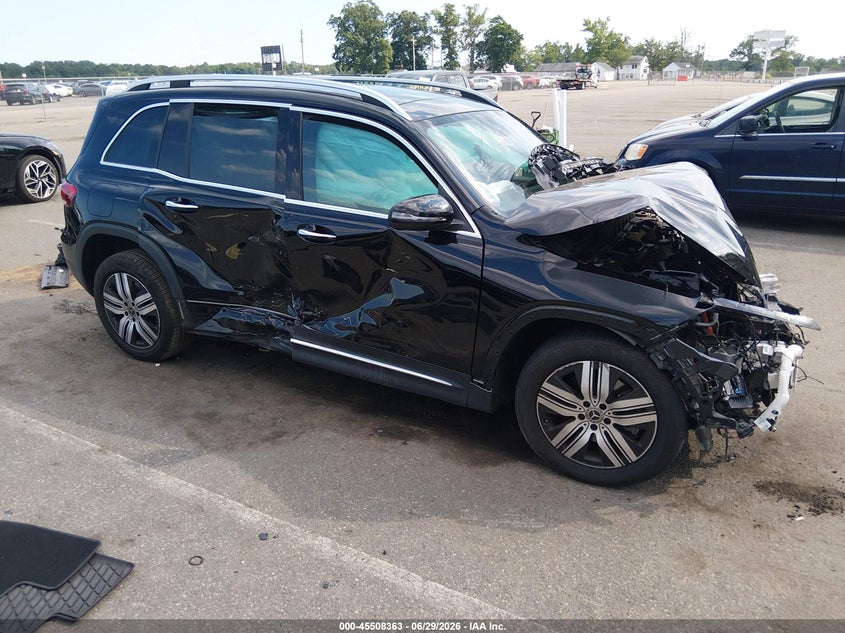
Damage map
If damage records exist for this VIN, the report shows the affected zonesTheft, liens and title
Checks that matter for registration and resaleRecorded condition
What the source noted about the car as it stands- Keys available
- Yes
History timeline
Data decoded from the VIN is shown. Records on file, if any, are in the full report.Mileage
Odometer reading as recorded at the sourceEarlier photos may be in the report
Check before you buy
Four things worth checking on any used carMERCEDES-BENZ EQB 250 SUV specifications
- VIN
- W1N9M0CB0PN052047
- Make
- MERCEDES-BENZ
- Model
- EQB 250 SUV
- Year
- 2023
- Colour
- BLACK
- Fuel
- Electric
- Power
- 188 hp
- Transmission
- Automatic
- Drive
- FWD
- Recorded odometer
- 1 mi
- Recorded damage
- Front End
What buyers ask about the MERCEDES-BENZ EQB 250 SUV
Was this 2023 MERCEDES-BENZ EQB 250 SUV damaged before?
The damage in the specifications is what the source noted at the time. Earlier accidents and repairs on file for VIN W1N9M0CB0PN052047, if any, are in the full report.
Can I trust the odometer reading of 1 mi?
It is the figure as recorded, not verified. Compare it with the earlier readings in the full report: they can only go up, so a drop points to a wound-back odometer.
In which countries was this car registered?
Registrations abroad seldom reach local registers. If this car was registered in other countries, the full report names them.
Who sells the report, and what does it cost?
An independent partner, selected automatically for each VIN by our system from analytical data. The partner shows the price before you pay; we may earn a commission.
VIN W1N9M0CB0PN052047: history
This entry is for a 2023 Mercedes-Benz EQB 250 SUV, finished in black. Power comes from electricity alone, with an output of 188 hp. The car has front-wheel drive. Details for this car come from a single data source and may differ from its documents.
Services and inspections note the distance covered, so a car with an ordinary past builds up a trail of figures that climb year after year. Figures carry most weight when they come from independent sources: workshops, inspection stations and past title paperwork.
The main issue noted for this car is front-end damage. The damage type is a short label: the extent of the damage and the quality of any repair still have to be judged on the car. Given the kind of damage entered, a mechanic should look first at the radiator support, the headlamp mountings and the front crash structure.
A key was present. Condition notes are a snapshot: the car may have been worked on, stripped of parts or left standing since.
Title status in the record: salvage. A title like this is issued when repair was judged uneconomical or unsafe. If any work has been done on the car since, photos and invoices should show what was replaced.
A car’s history answers three questions: who kept it, how it was looked after and what went wrong along the way. Pieces of a car’s history sit with registries, dealers, workshops and insurance companies, and none of them sees the whole picture. Much of a car’s past cannot be seen: a good body repair leaves no obvious mark, and neither do years of hard driving.
The battery is the most expensive part of an electric car, so the share of its original capacity still available should be measured. A cracked battery housing or a damaged cooling circuit is not always visible, and only a specialist with the right equipment can confirm that the pack is safe.
A vehicle identification number has 17 characters: the first three name the manufacturer, the next six describe the model and its specification, and the last eight identify the individual car. The record gives the VIN as W1N9M0CB0PN052047. The VIN usually appears at the base of the windscreen, on a door pillar and stamped into the body, and all of them should match the documents.
A VIN report shows what has been logged: earlier registrations, odometer figures, damage entries, branded titles and theft checks, wherever such data exists. Paperwork is only as complete as the people who kept it, so a report with few entries lowers the risk without removing it. A VIN check and a physical inspection answer different questions: the first says what happened to the car, the second what condition it is in now. The next step is to look up the history behind VIN W1N9M0CB0PN052047.
Similar MERCEDES-BENZ EQB 250 SUV cars
All MERCEDES-BENZ cars 2015 MERCEDES-BENZ ML 350 4MATIC
4JGDA5•••••••7347
3.5 gasoline · Automatic
Check history
2015 MERCEDES-BENZ ML 350 4MATIC
4JGDA5•••••••7347
3.5 gasoline · Automatic
Check history
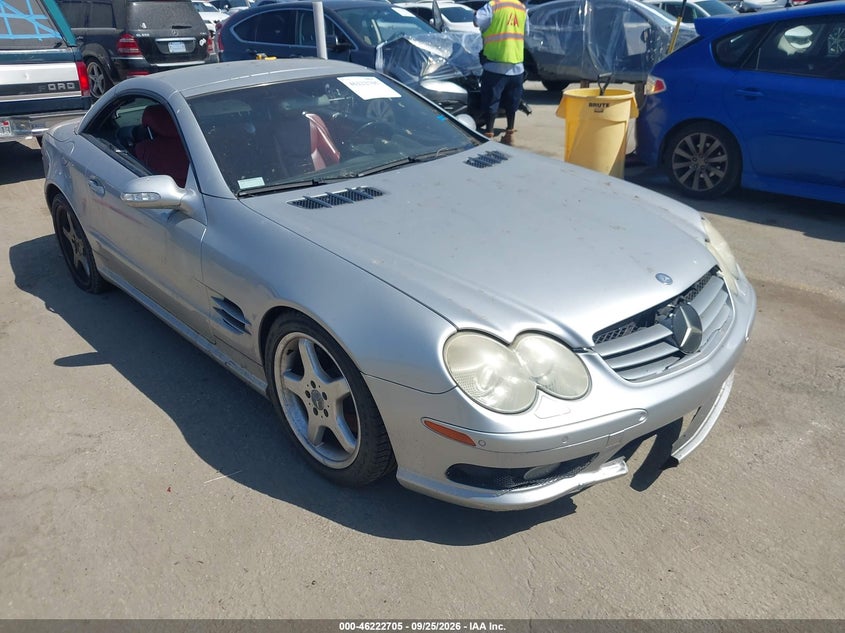 2003 MERCEDES-BENZ SL-CLASS
WDBSK7•••••••0616
5.0 gasoline · Automatic
Check history
2003 MERCEDES-BENZ SL-CLASS
WDBSK7•••••••0616
5.0 gasoline · Automatic
Check history
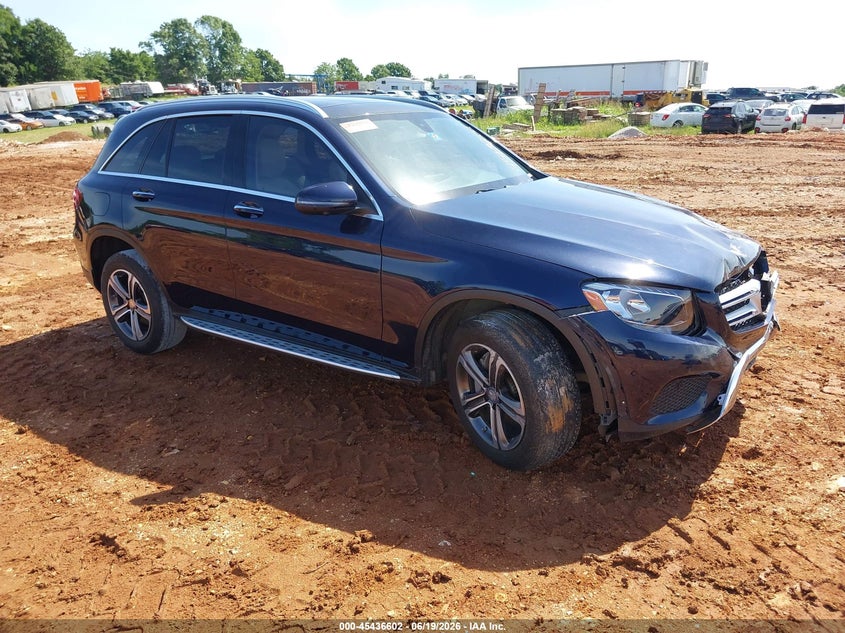 2016 MERCEDES-BENZ GLC 300 4MATIC
WDC0G4•••••••1725
2.0 gasoline · Automatic
Check history
2016 MERCEDES-BENZ GLC 300 4MATIC
WDC0G4•••••••1725
2.0 gasoline · Automatic
Check history
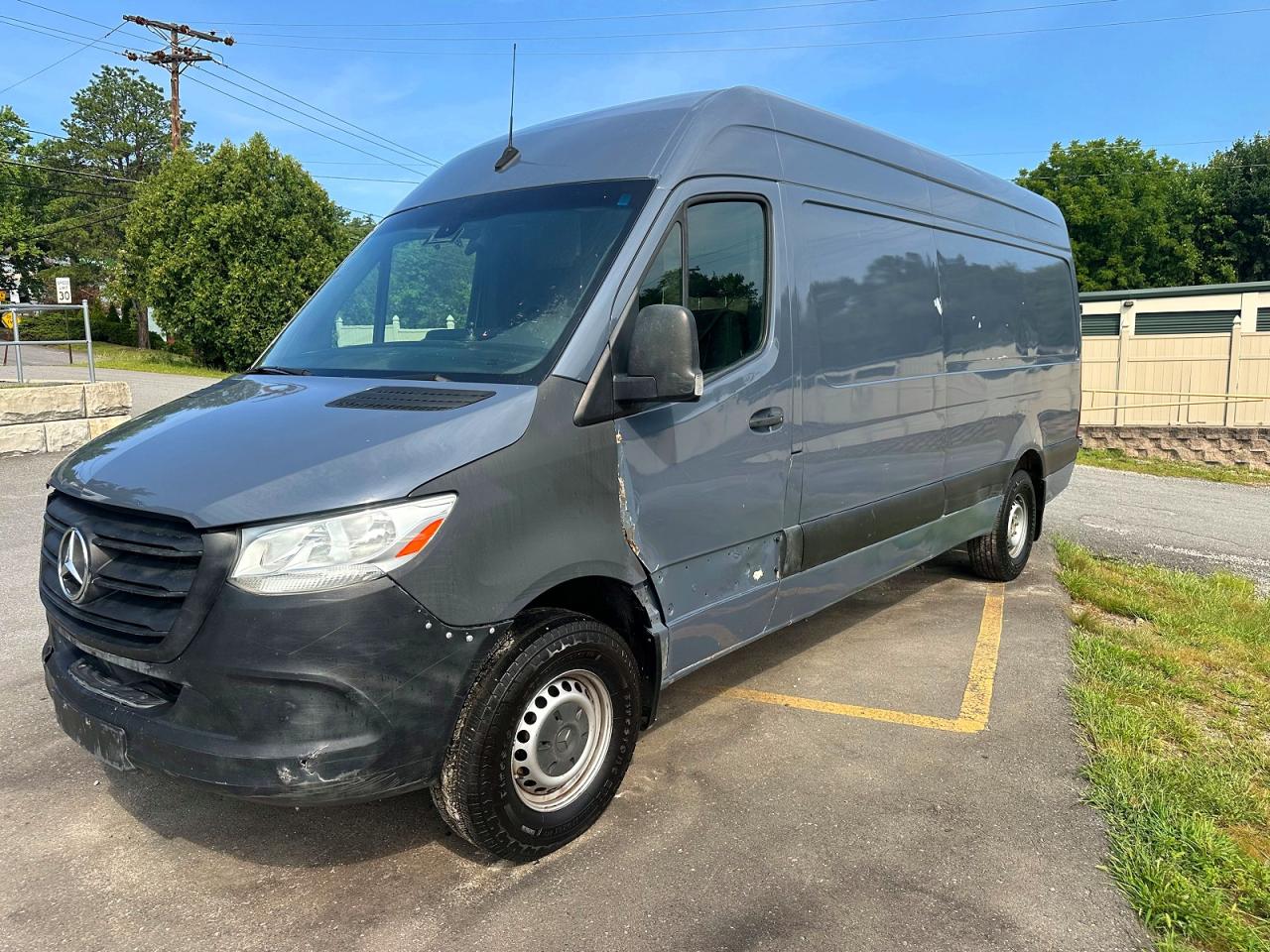 2019 MERCEDES-BENZ SPRINTER 2500/3500
WD4PF1•••••••2340
3.0 diesel · Automatic
Check history
2019 MERCEDES-BENZ SPRINTER 2500/3500
WD4PF1•••••••2340
3.0 diesel · Automatic
Check history