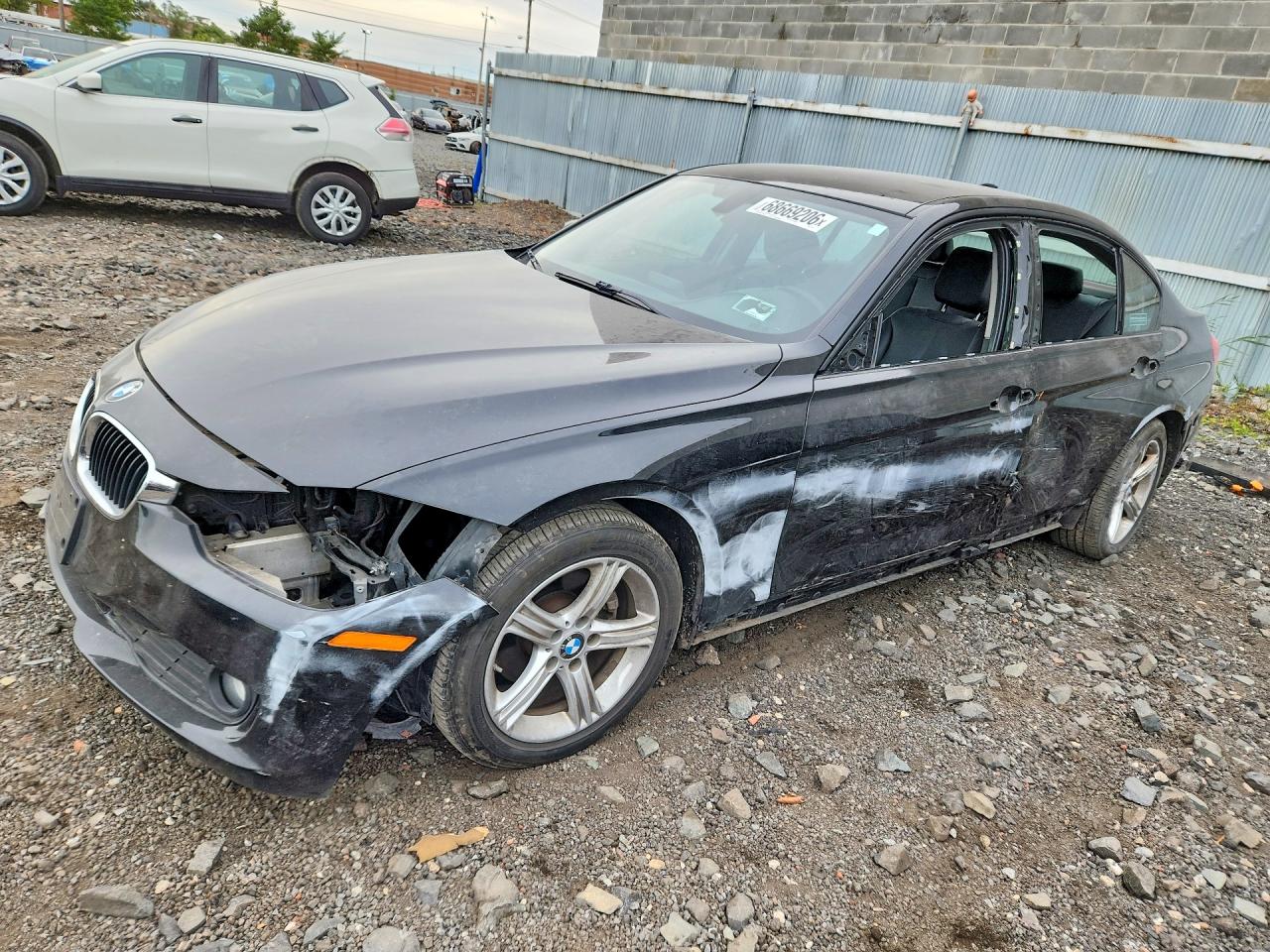
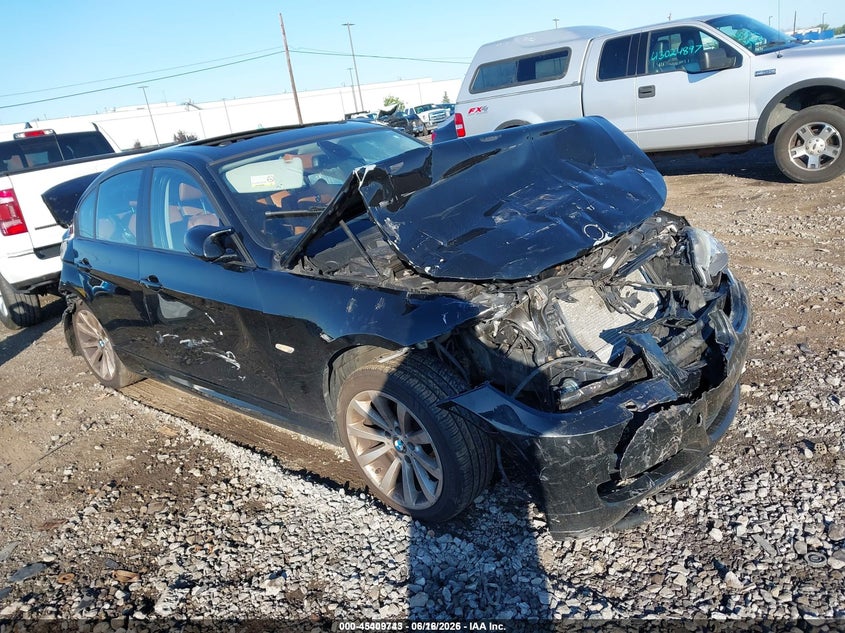
2017 BMW 320 I VIN WBA8A9C57HK619946

Damage map
If damage records exist for this VIN, the report shows the affected zonesTheft, liens and title
Checks that matter for registration and resaleRecorded condition
What the source noted about the car as it stands- Runs and drives
- Yes
- Engine starts
- Yes
- Keys available
- Yes
- Start code
- Run & Drive
History timeline
Data decoded from the VIN is shown. Records on file, if any, are in the full report.Mileage
Odometer reading as recorded at the sourceEarlier photos may be in the report
Check before you buy
Four things worth checking on any used carBMW 320 I specifications
- VIN
- WBA8A9C57HK619946
- Make
- BMW
- Model
- 320 I
- Year
- 2017
- Colour
- GRAY
- Fuel
- Gasoline
- Engine
- 2.0 L
- Cylinders
- 4
- Power
- 180 hp
- Transmission
- Automatic
- Drive
- RWD
- Recorded odometer
- 72 735 mi
- Recorded damage
- Rear End
What buyers ask about the BMW 320 I
Was this 2017 BMW 320 I damaged before?
The damage in the specifications is what the source noted at the time. Earlier accidents and repairs on file for VIN WBA8A9C57HK619946, if any, are in the full report.
Can I trust the odometer reading of 72 735 mi?
It is the figure as recorded, not verified. Compare it with the earlier readings in the full report: they can only go up, so a drop points to a wound-back odometer.
In which countries was this car registered?
Registrations abroad seldom reach local registers. If this car was registered in other countries, the full report names them.
Who sells the report, and what does it cost?
An independent partner, selected automatically for each VIN by our system from analytical data. The partner shows the price before you pay; we may earn a commission.
VIN WBA8A9C57HK619946: history
The BMW 320 I described here left the factory in 2017. The car runs on petrol. There is an automatic gearbox, with rear-wheel drive. Every figure for this car is given as it appears in the source data.
The clock stood at 72,735 miles when the data was entered. Services and inspections note the distance covered, so a car with an ordinary past builds up a trail of figures that climb year after year. Service invoices and inspection reports each carry a mileage figure, and lined up in order they show whether the clock tells the truth.
The main issue noted for this car is rear-end damage. Whether the damage has been repaired since, and how well, is not something a damage entry can show. A lift and a diagnostic check show what photos cannot: bent brackets behind a panel, chafed wiring or deployed airbags.
The record notes that the car ran and drove. A key was noted with the car. Condition notes are a snapshot: the car may have been worked on, stripped of parts or left standing since.
The car carries a clean title. A clean title is a good sign, though it says nothing about wear, maintenance or how the car was driven.
A car’s history is the sum of what has happened to it since it was new, and most of it has left a trace on paper somewhere. A clean, polished car can still hide a serious accident, a flood or years of hard use.
An engine that has had its oil changed on time is far less likely to cause trouble later, and workshop invoices are the proof. On a petrol engine, a rough idle, misfires or a warning light on the dashboard need looking into. The automatic gearbox needs its fluid changed at the manufacturer’s intervals, and invoices should show that it was.
The ninth character of the VIN is a check digit calculated from the other sixteen, so a mistyped or invented number does not add up. The VIN of this BMW 320 I is WBA8A9C57HK619946.
What a history report can list depends on what has been documented about the car: registrations, mileage readings, damage, branded titles and theft reports. The absence of an entry is not proof that nothing happened; it may only mean that nobody wrote it down. A professional inspection makes sense whatever the paperwork shows, because no report measures corrosion, worn bushes or a poor repair. A history check on VIN WBA8A9C57HK619946 is the place to start.