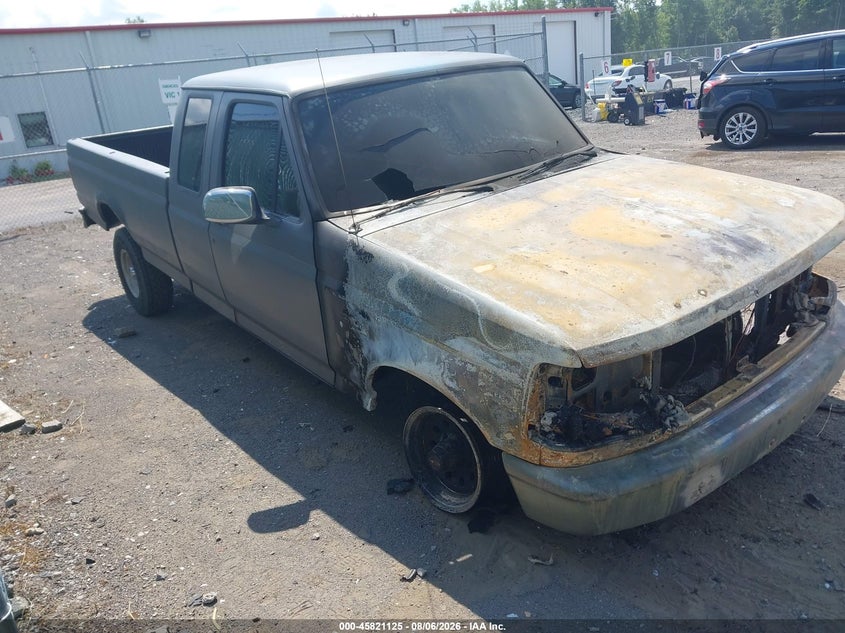
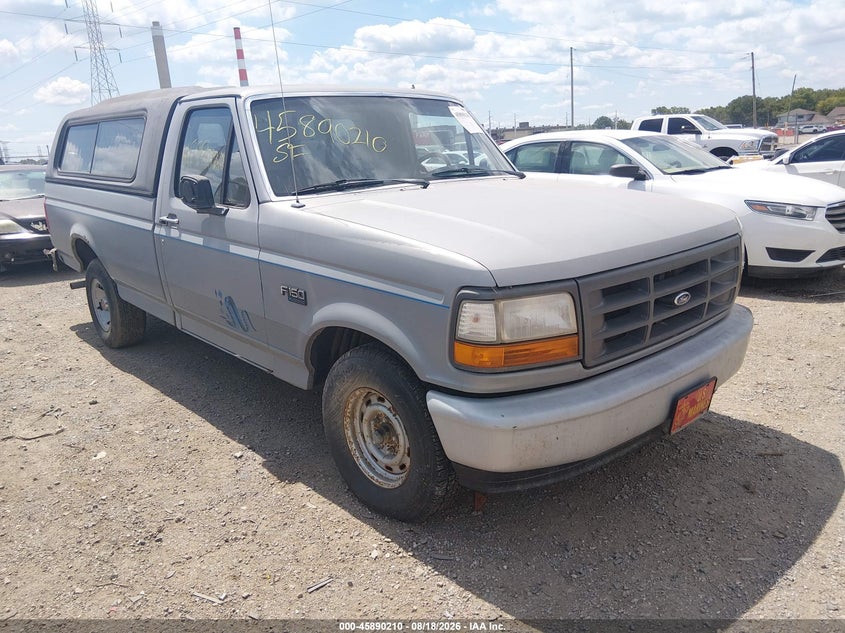
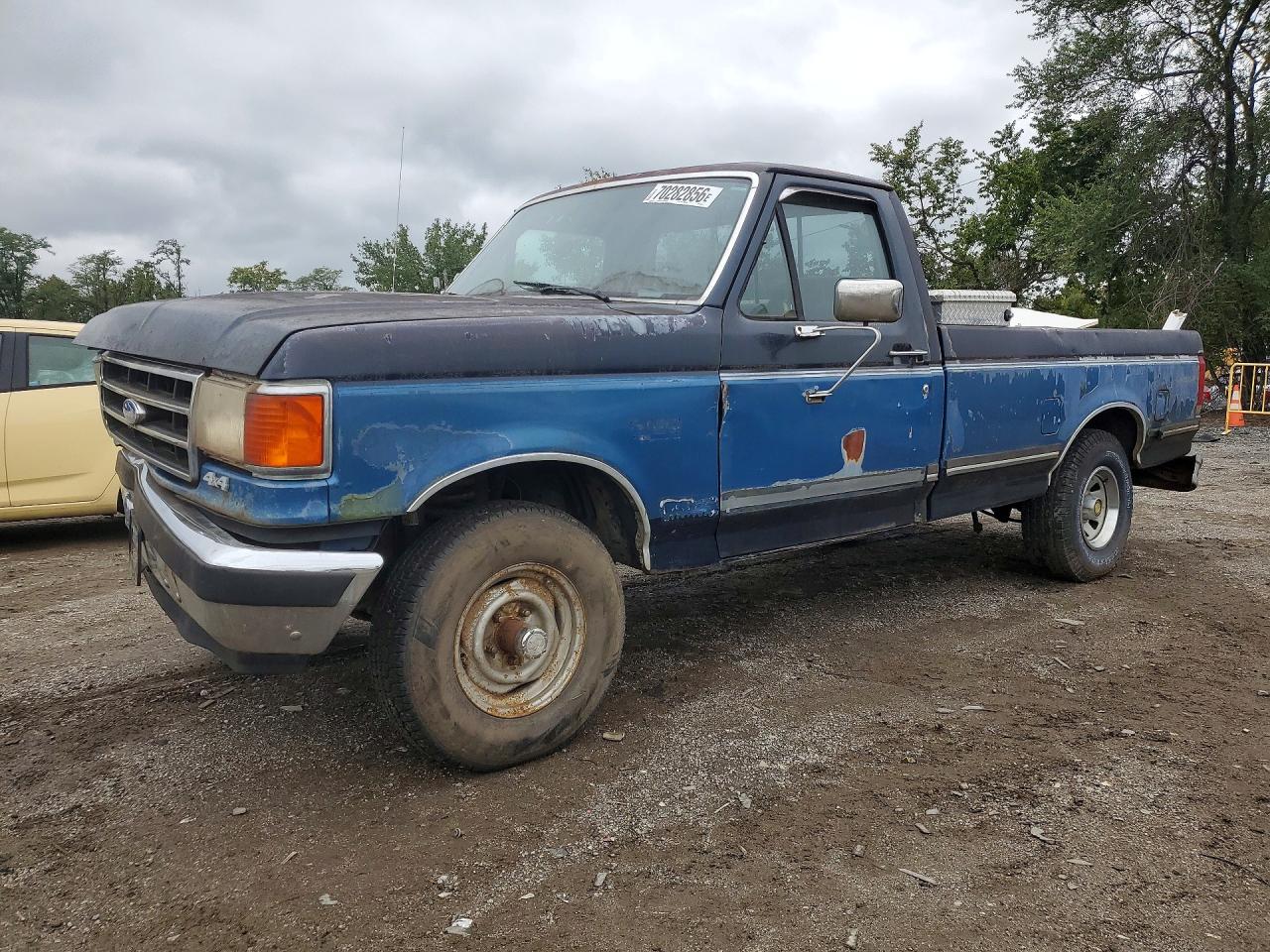
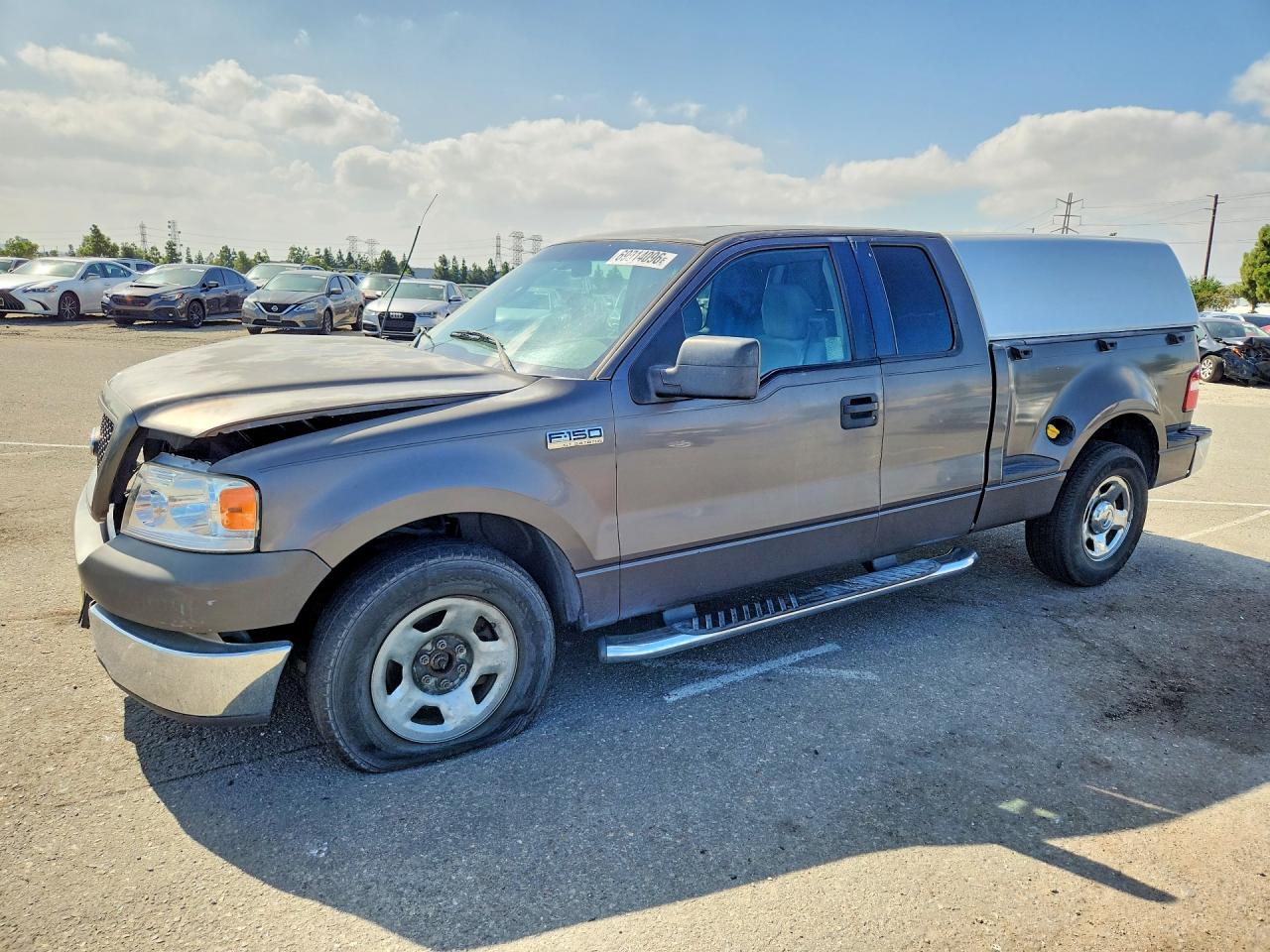
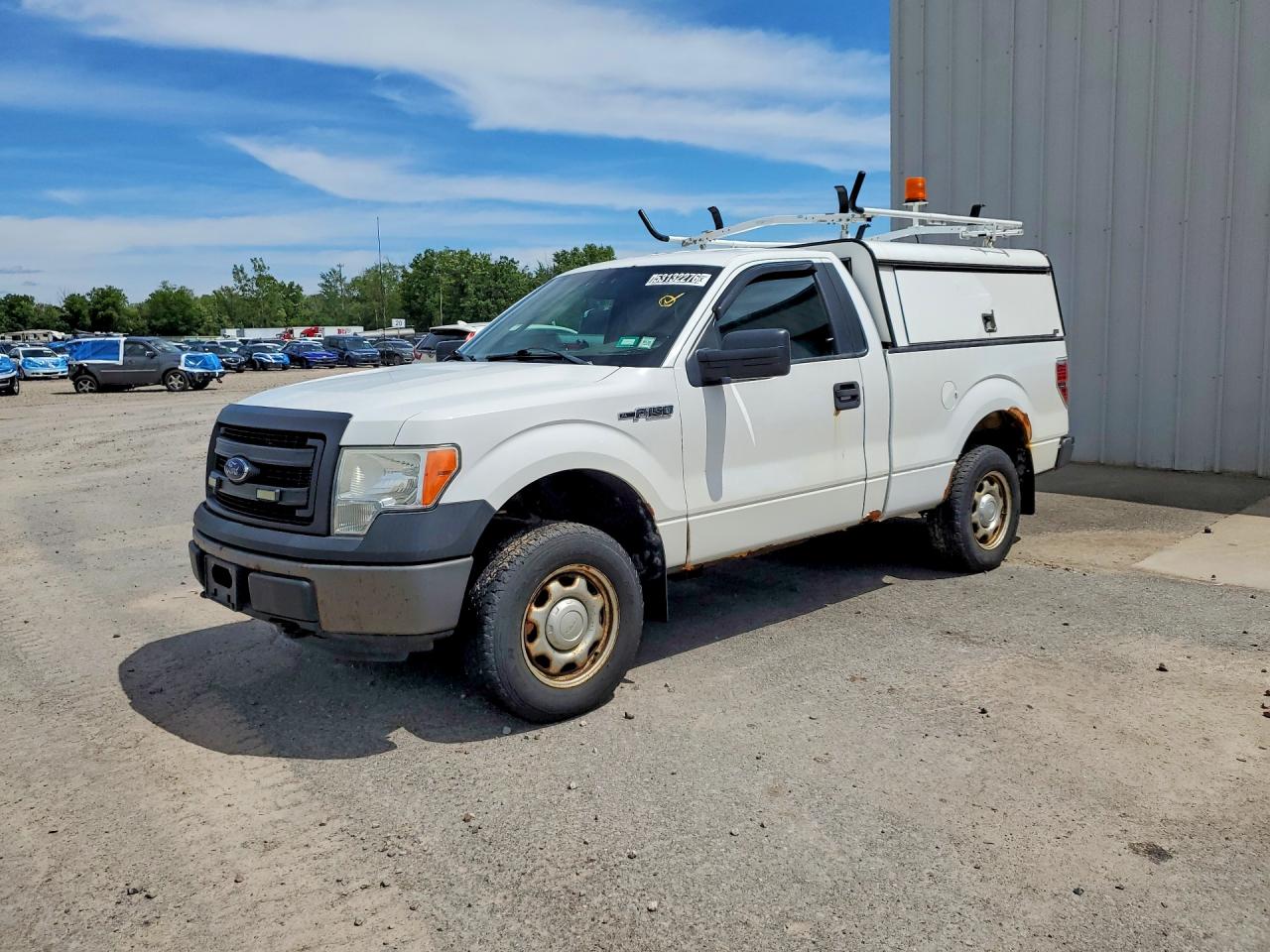
2013 FORD F150 VIN 1FTMF1EM1DFA39846
Damage map
If damage records exist for this VIN, the report shows the affected zonesTheft, liens and title
Checks that matter for registration and resaleRecorded condition
What the source noted about the car as it stands- Keys available
- Yes
- Start code
- Enhanced
History timeline
Data decoded from the VIN is shown. Records on file, if any, are in the full report.Mileage
Odometer reading as recorded at the sourceEarlier photos may be in the report
Check before you buy
Four things worth checking on any used carFORD F150 specifications
- VIN
- 1FTMF1EM1DFA39846
- Make
- FORD
- Model
- F150
- Year
- 2013
- Colour
- WHITE
- Fuel
- Gasoline
- Engine
- 3.7 L
- Cylinders
- 6
- Power
- 302 hp
- Transmission
- Automatic
- Drive
- 4x4
- Recorded odometer
- 177 303 mi
- Recorded damage
- Mechanical
What buyers ask about the FORD F150
Was this 2013 FORD F150 damaged before?
The damage in the specifications is what the source noted at the time. Earlier accidents and repairs on file for VIN 1FTMF1EM1DFA39846, if any, are in the full report.
Can I trust the odometer reading of 177 303 mi?
It is the figure as recorded, not verified. Compare it with the earlier readings in the full report: they can only go up, so a drop points to a wound-back odometer.
In which countries was this car registered?
Registrations abroad seldom reach local registers. If this car was registered in other countries, the full report names them.
Who sells the report, and what does it cost?
An independent partner, selected automatically for each VIN by our system from analytical data. The partner shows the price before you pay; we may earn a commission.
VIN 1FTMF1EM1DFA39846: history
This entry is for a 2013 Ford F150. The gearbox is automatic. Power comes from a 3.7-litre petrol engine with six cylinders.
The source data puts the mileage at 177,303 miles. The instruments count in miles; the same distance in kilometres is about 1.6 times the figure. The number on the clock proves little by itself; earlier figures logged at services and inspections are what make it believable. Service invoices and inspection reports each carry a mileage figure, and lined up in order they show whether the clock tells the truth.
When the car was recorded, it showed mechanical damage. The damage type is a short label: the extent of the damage and the quality of any repair still have to be judged on the car. With mechanical damage on file, the inspection should start with the engine, the gearbox and the running gear.
A key was present. Condition notes are a snapshot: the car may have been worked on, stripped of parts or left standing since.
The car carries a clean title. With a clean title the car can be registered and insured in the usual way.
A car’s history is everything logged against it since it left the factory: registrations and owners, inspections, repairs and insurance claims. No single office holds the whole story of a car: registries, workshops, insurance companies and lenders each keep their own part. What a car has been through is seldom visible at first glance, and a respray can make even a badly damaged car look sound.
An engine that has had its oil changed on time is far less likely to cause trouble later, and workshop invoices are the proof. On a petrol engine, a rough idle, misfires or a warning light on the dashboard need looking into. Automatic transmissions, CVTs included, are expensive to repair, so the test drive should include pulling away from a standstill and a stretch at motorway speed. A car with four-wheel drive has extra differentials and often a transfer case, which an inspection should cover alongside the engine and gearbox.
The ninth character of the VIN is a check digit calculated from the other sixteen, so a mistyped or invented number does not add up. The VIN on file for this car is 1FTMF1EM1DFA39846. The VIN usually appears at the base of the windscreen, on a door pillar and stamped into the body, and all of them should match the documents.
A VIN report shows what has been logged: earlier registrations, odometer figures, damage entries, branded titles and theft checks, wherever such data exists. The absence of an entry is not proof that nothing happened; it may only mean that nobody wrote it down. A history report says nothing about the car’s present condition: the frame, corrosion, electrics and the quality of any repair are judged on a lift by a mechanic. The next step is to look up the history behind VIN 1FTMF1EM1DFA39846.