2016 BMW X1 XDRIVE28I VIN WBXHT3C31GP886254

Damage map
If damage records exist for this VIN, the report shows the affected zonesTheft, liens and title
Checks that matter for registration and resaleRecorded condition
What the source noted about the car as it stands- Runs and drives
- No
- Engine starts
- No
- Keys available
- Yes
- Start code
- Stationary
History timeline
Data decoded from the VIN is shown. Records on file, if any, are in the full report.Mileage
Odometer reading as recorded at the sourceEarlier photos may be in the report
Check before you buy
Four things worth checking on any used carBMW X1 XDRIVE28I specifications
- VIN
- WBXHT3C31GP886254
- Make
- BMW
- Model
- X1 XDRIVE28I
- Year
- 2016
- Colour
- WHITE
- Fuel
- Gasoline
- Engine
- 2.0 L
- Cylinders
- 4
- Power
- 228 hp
- Transmission
- Automatic
- Drive
- AWD
- Recorded odometer
- 141 810 mi
- Recorded damage
- UNDERCARRIAGE
What buyers ask about the BMW X1 XDRIVE28I
Was this 2016 BMW X1 XDRIVE28I damaged before?
The damage in the specifications is what the source noted at the time. Earlier accidents and repairs on file for VIN WBXHT3C31GP886254, if any, are in the full report.
Can I trust the odometer reading of 141 810 mi?
It is the figure as recorded, not verified. Compare it with the earlier readings in the full report: they can only go up, so a drop points to a wound-back odometer.
In which countries was this car registered?
Registrations abroad seldom reach local registers. If this car was registered in other countries, the full report names them.
Who sells the report, and what does it cost?
An independent partner, selected automatically for each VIN by our system from analytical data. The partner shows the price before you pay; we may earn a commission.
VIN WBXHT3C31GP886254: history
The BMW X1 XDRIVE28I described here left the factory in 2016. The gearbox is automatic. The engine is a 2.0-litre petrol unit with four cylinders. The specification is taken from the source data and has not been checked against other documents.
At the time of recording, the car had covered 141,810 miles. Because the clock counts miles, any figure noted in kilometres has to be converted before the two can be compared. The number on the clock proves little by itself; earlier figures logged at services and inspections are what make it believable. Figures carry most weight when they come from independent sources: workshops, inspection stations and past title paperwork.
The record lists underbody damage as the main problem on this car. A damage entry is a starting point for the inspection, telling the mechanic where to look first. Some damage shows its consequences only later: corroded connectors and electrical faults can surface months afterwards.
When it was checked, the car could not be driven. The engine would not start, which can mean anything from a flat battery to serious mechanical damage. A key was noted with the car. Condition notes are a snapshot: the car may have been worked on, stripped of parts or left standing since.
A salvage title is on file for this car. Titles of this type are issued to cars declared a total loss. Once issued, a branded title stays with the VIN for good, and it affects registration and insurance for every later owner.
Every car builds up a history from the day it is first registered: owners come and go, inspections are passed or failed, and repairs are paid for. No single office holds the whole story of a car: registries, workshops, insurance companies and lenders each keep their own part. Much of a car’s past cannot be seen: a good body repair leaves no obvious mark, and neither do years of hard driving.
Regular oil changes and timely work on the timing belt or chain decide how well an engine copes with age. On a petrol engine, spark plugs, ignition coils and the cooling system are the routine items a service history should cover. With no test drive possible, the automatic gearbox has to be assessed on a lift and with diagnostic equipment. With all-wheel drive, mismatched tyres can strain the centre differential or coupling, so all four should be the same make and similarly worn.
The VIN is a 17-character code assigned at the factory: it identifies the manufacturer, the model and its variant, and ends with a serial number unique to the car. The VIN on file for this car is WBXHT3C31GP886254. A VIN that differs between the documents and the car, or shows signs of tampering, is reason enough to walk away.
A VIN report gathers what different sources know about a car, such as the number of owners, mileage readings, damage and any branded title. The absence of an entry is not proof that nothing happened; it may only mean that nobody wrote it down. A professional inspection makes sense whatever the paperwork shows, because no report measures corrosion, worn bushes or a poor repair. For this 2016 BMW X1 XDRIVE28I, the sensible next step is a history check on VIN WBXHT3C31GP886254.
Similar BMW X1 XDRIVE28I cars
All BMW cars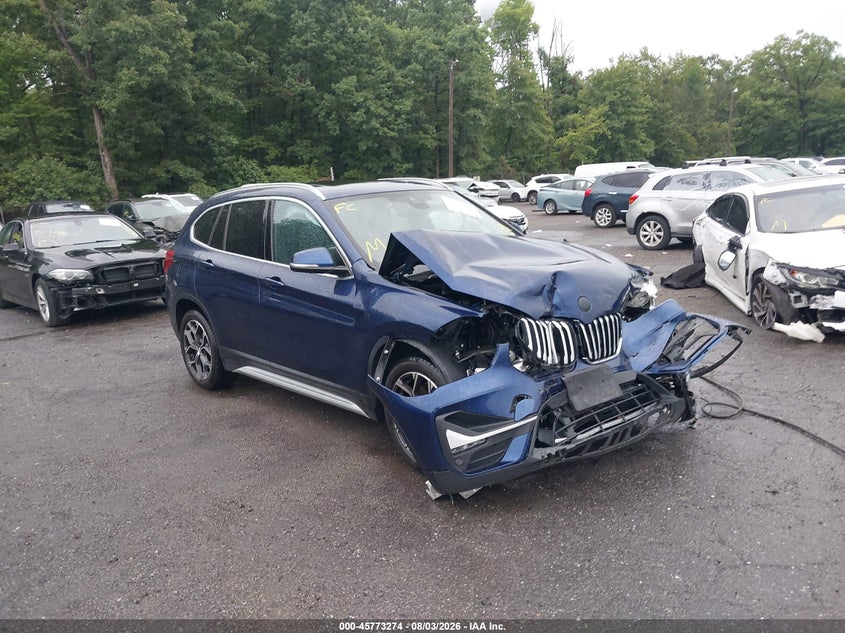 2020 BMW X1 XDRIVE28I
WBXJG9•••••••0904
2.0 gasoline · Automatic
Check history
2020 BMW X1 XDRIVE28I
WBXJG9•••••••0904
2.0 gasoline · Automatic
Check history
 2017 BMW X1 XDRIVE28I
WBXHT3•••••••0025
2.0 gasoline · Automatic
Check history
2017 BMW X1 XDRIVE28I
WBXHT3•••••••0025
2.0 gasoline · Automatic
Check history
 2016 BMW X1 XDRIVE28I
WBXHT3•••••••8640
2.0 gasoline · Automatic
Check history
2016 BMW X1 XDRIVE28I
WBXHT3•••••••8640
2.0 gasoline · Automatic
Check history
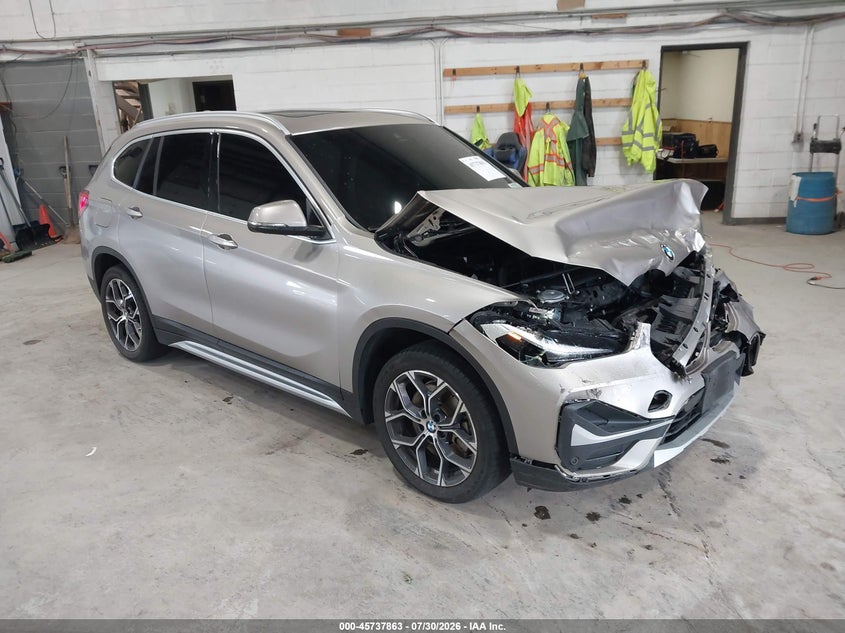 2021 BMW X1 XDRIVE28I
WBXJG9•••••••2769
2.0 gasoline · Automatic
Check history
2021 BMW X1 XDRIVE28I
WBXJG9•••••••2769
2.0 gasoline · Automatic
Check history