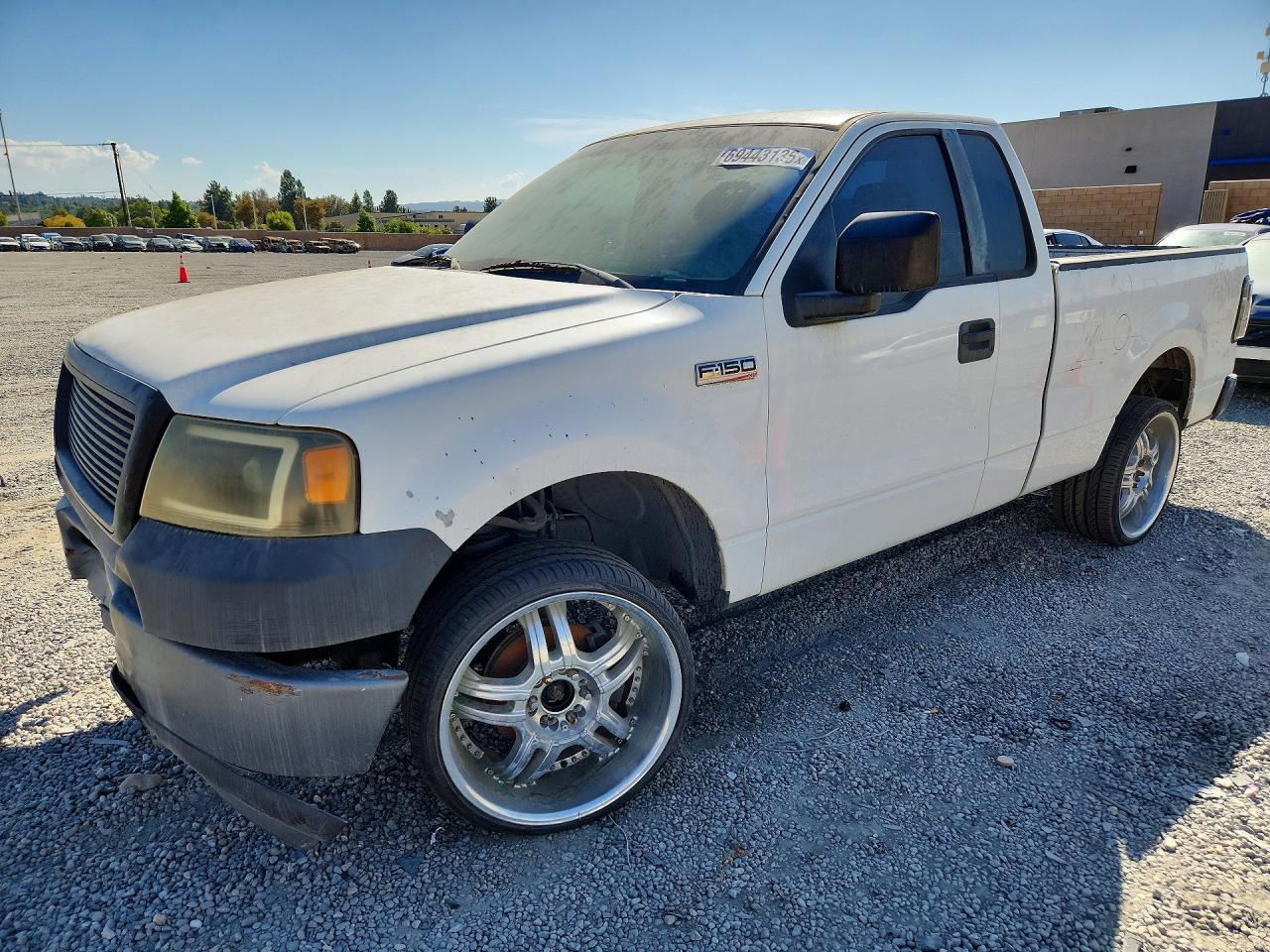
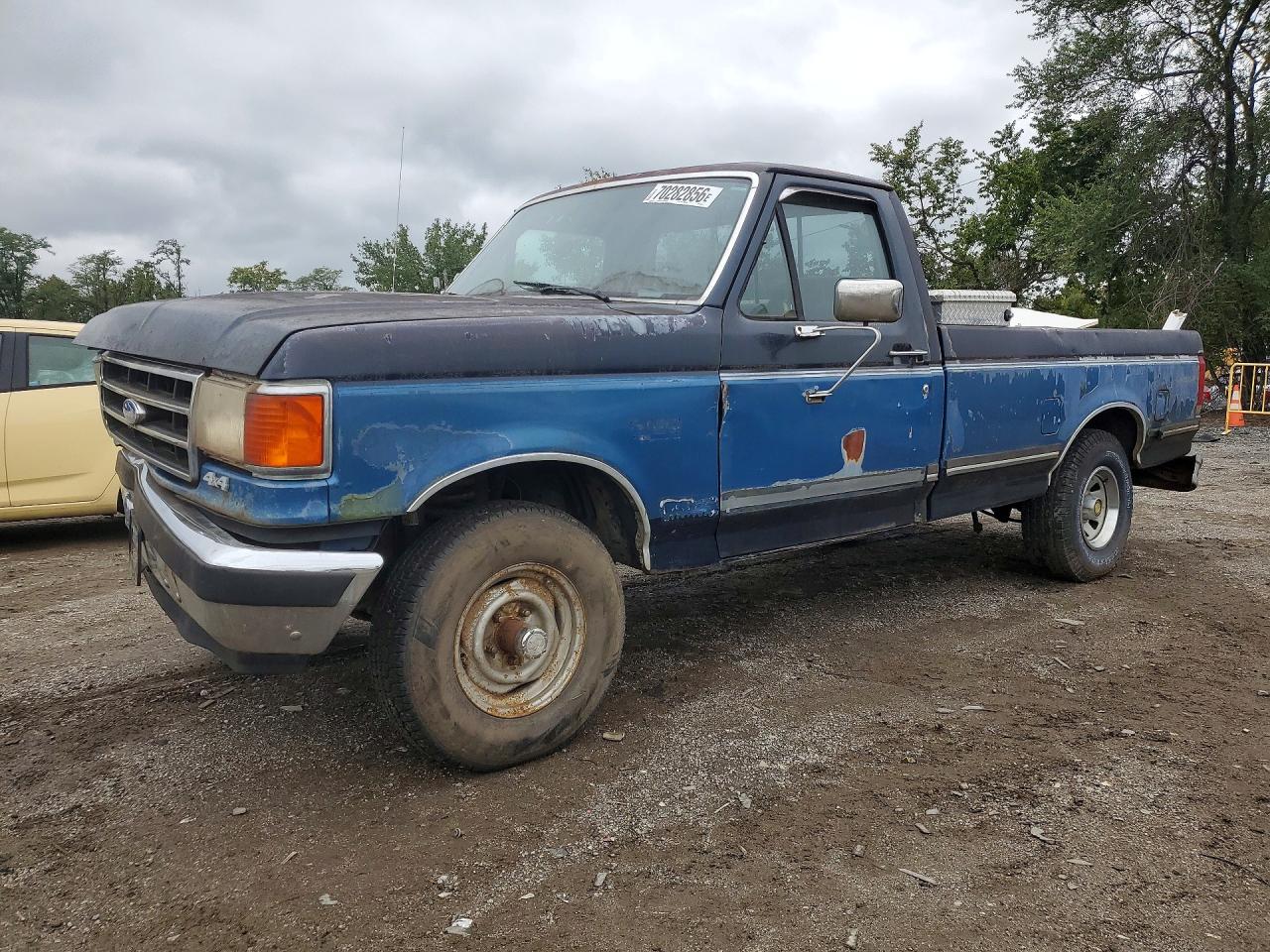
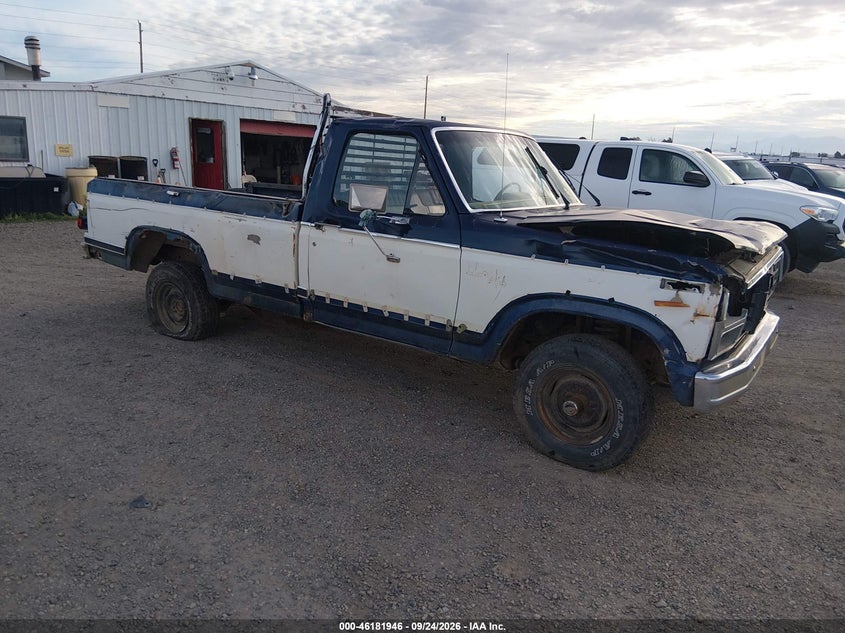
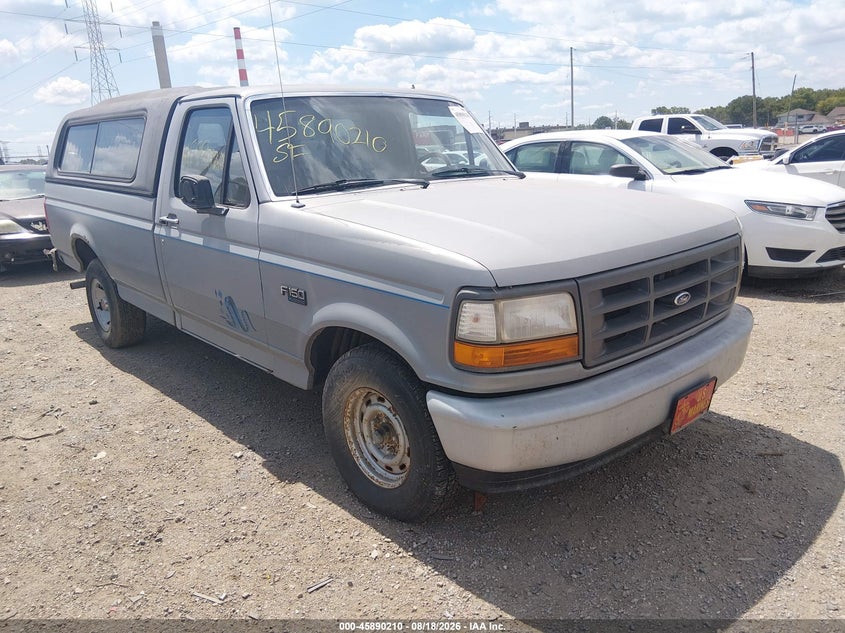
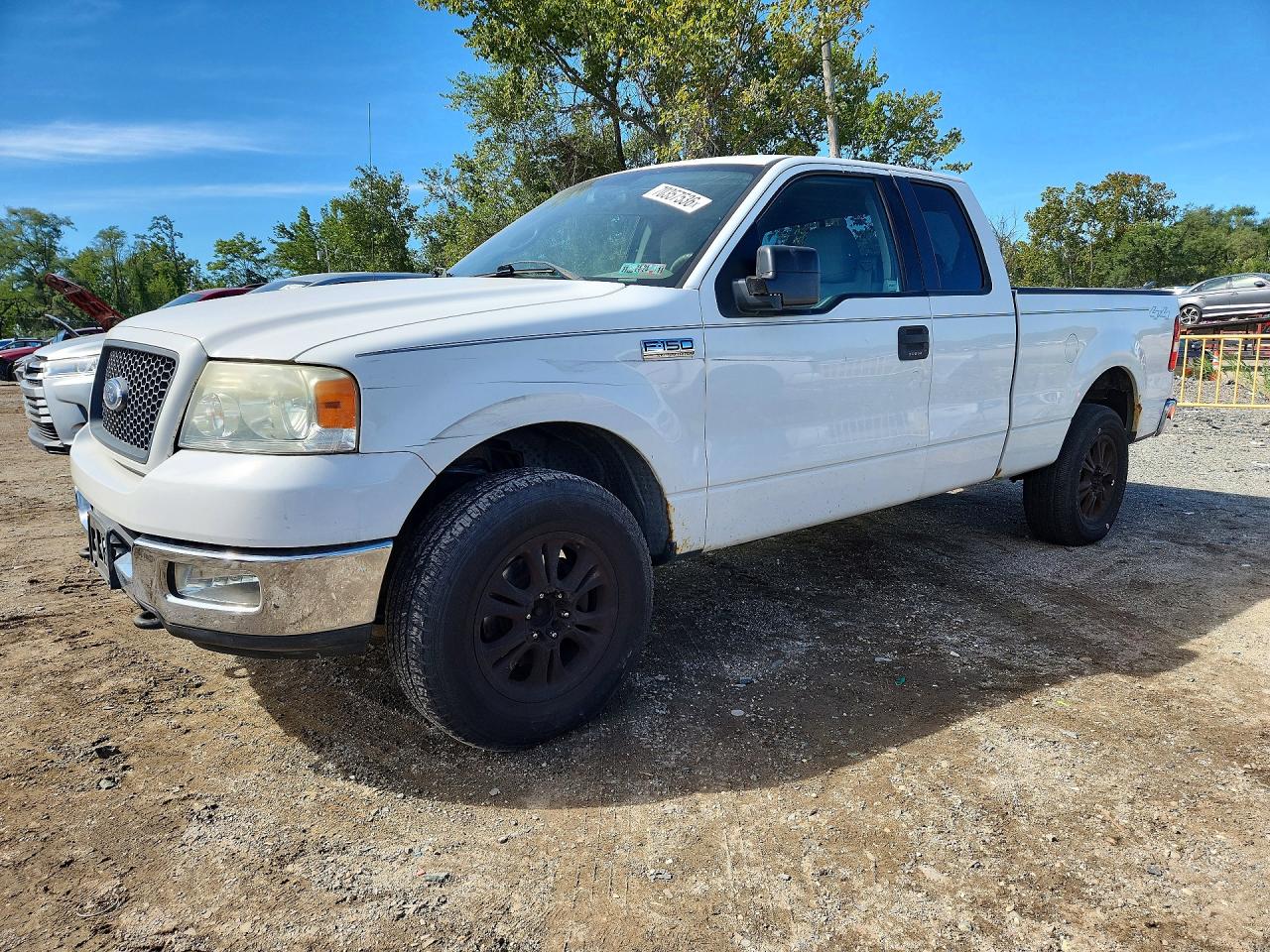
2005 FORD F150 VIN 1FTPX14545FA52130
Damage map
If damage records exist for this VIN, the report shows the affected zonesTheft, liens and title
Checks that matter for registration and resaleRecorded condition
What the source noted about the car as it stands- Keys available
- Yes
- Start code
- Enhanced
History timeline
Data decoded from the VIN is shown. Records on file, if any, are in the full report.Mileage
Odometer reading as recorded at the sourceEarlier photos may be in the report
Check before you buy
Four things worth checking on any used carFORD F150 specifications
- VIN
- 1FTPX14545FA52130
- Make
- FORD
- Model
- F150
- Year
- 2005
- Colour
- WHITE
- Fuel
- Gasoline
- Engine
- 5.4 L
- Cylinders
- 8
- Power
- 300 hp
- Transmission
- Automatic
- Drive
- 4x4
- Recorded odometer
- 95 793 mi
- Recorded damage
- Mechanical
What buyers ask about the FORD F150
Was this 2005 FORD F150 damaged before?
The damage in the specifications is what the source noted at the time. Earlier accidents and repairs on file for VIN 1FTPX14545FA52130, if any, are in the full report.
Can I trust the odometer reading of 95 793 mi?
It is the figure as recorded, not verified. Compare it with the earlier readings in the full report: they can only go up, so a drop points to a wound-back odometer.
In which countries was this car registered?
Registrations abroad seldom reach local registers. If this car was registered in other countries, the full report names them.
Who sells the report, and what does it cost?
An independent partner, selected automatically for each VIN by our system from analytical data. The partner shows the price before you pay; we may earn a commission.
VIN 1FTPX14545FA52130: history
This entry is for a 2005 Ford F150, finished in white. The engine is a 5.4-litre petrol unit with eight cylinders. The gearbox is automatic. Details for this car come from a single data source and may differ from its documents.
At the time of recording, the car had covered 95,793 miles. Little distance per year can mean long periods of standing, light use or a tampered clock, and only older entries tell these apart. Turning back an odometer takes little skill and leaves no visible trace, which is why earlier figures matter more than the display. Older figures usually turn up on service invoices, inspection reports and past title paperwork.
When the car was recorded, it showed mechanical damage. Two cars with the same damage label can be very different: one needs a few new parts, the other major work. A lift and a diagnostic check show what photos cannot: bent brackets behind a panel, chafed wiring or deployed airbags.
A key was present. Months of standing can leave a car with seized brakes and perished tyres.
Title status in the record: clean. Nothing on the title points to a total loss or a flood.
A car’s history answers three questions: who kept it, how it was looked after and what went wrong along the way. A car’s paperwork is scattered: the registry knows about owners, the workshop about repairs and the insurance company about claims. A clean, polished car can still hide a serious accident, a flood or years of hard use.
An engine that has had its oil changed on time is far less likely to cause trouble later, and workshop invoices are the proof. On a petrol engine, a rough idle, misfires or a warning light on the dashboard need looking into. The automatic gearbox should respond smoothly and without delay; jerks, slipping or hesitation on a test drive need investigating. A car with four-wheel drive has extra differentials and often a transfer case, which an inspection should cover alongside the engine and gearbox.
The VIN is a 17-character code assigned at the factory: it identifies the manufacturer, the model and its variant, and ends with a serial number unique to the car. For this car, the VIN is 1FTPX14545FA52130. The number in the car’s documents should match the one stamped into the body and the one on the plate at the base of the windscreen.
A VIN report shows what has been logged: earlier registrations, odometer figures, damage entries, branded titles and theft checks, wherever such data exists. A repair paid for in cash at a small workshop leaves no trace in any database, so no report can list it. A VIN check and a physical inspection answer different questions: the first says what happened to the car, the second what condition it is in now. The next step is to look up the history behind VIN 1FTPX14545FA52130.